DNREC Menu

The DNREC Division of Fish and Wildlife, in coordination with other management agencies, manages fish populations in Delaware’s public ponds, freshwater and tidal streams, inland bays, the Delaware River and Bay and the near-shore Atlantic Ocean.
A critical piece of data needed for good fisheries management is the age distribution and growth history of fish populations. Data related to growth rates, age at maturity and year class is used in stock assessments to determine natural and fishing-related mortality, follow cohorts through time and determine species longevity.
By looking at the age composition model of a species, scientists can estimate population sizes and design regulations to help protect the spawning stock of those species for long-term viability.
For more information, please contact Alexandria Hoffman at Alexandria.hoffman@delaware.gov or 302-735-2960.
In Delaware, DNREC staff collect age structures from a wide variety of fish.
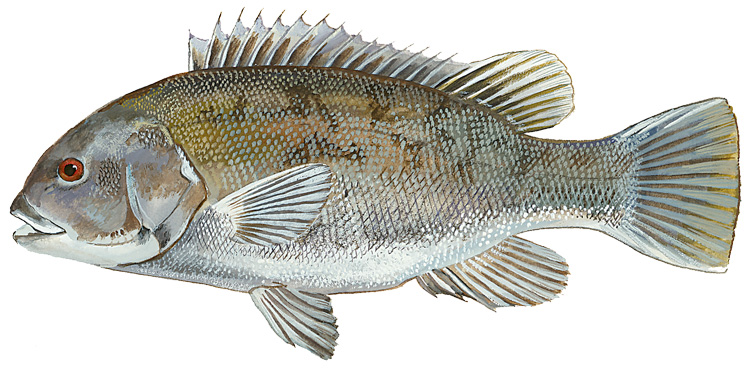
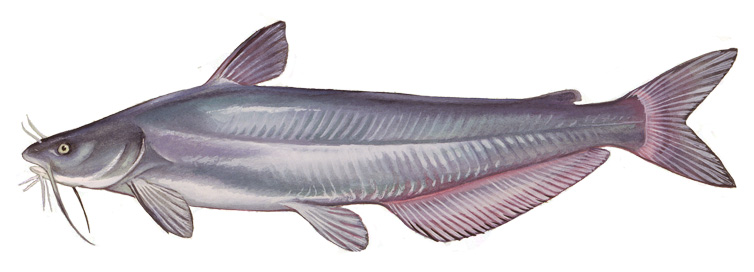
Depending on the data needs for a species, staff collect samples from different sources including commercial fisheries, independent research surveys and recreational anglers.
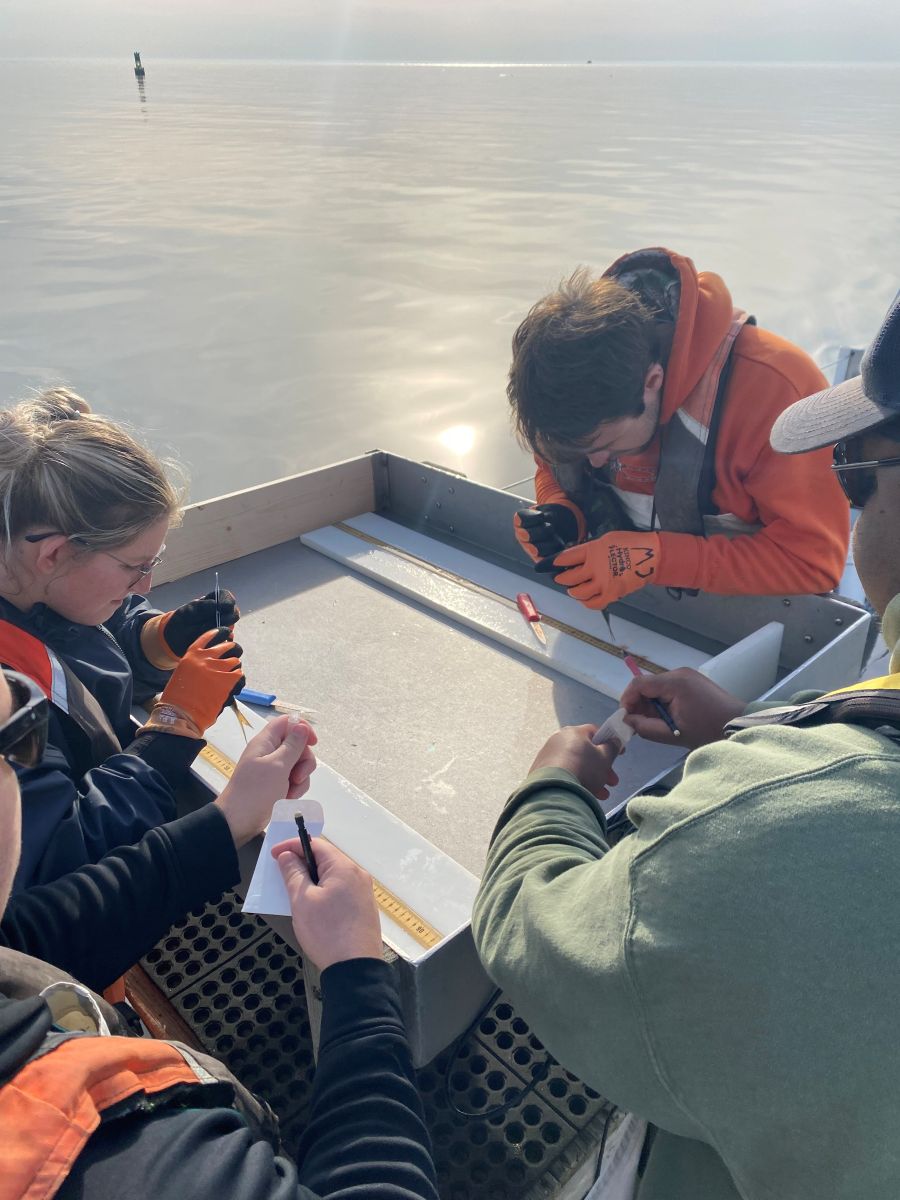
Growth and age can be determined by examining different bony structures in fish anatomy, including fish scales, otoliths (ear stones), operculum (a plate-like structure that covers and protects the gills) or fin spines. The specific structure used for aging varies based on the species.
By collecting data on these different structures, fisheries scientists develop important information about growth rates, age at maturity and year class.
Data such as length, weight, sex (if known) and catch location are also recorded for each fish.
Find more information on aging fish in the Practical Handbook for Determining the Ages of Gulf of Mexico and Atlantic Coast Fishes from the Atlantic States Marine Fisheries Commission.
The preferred structure used in fish aging is the otolith. Also known as ear stones, Otoliths are hard calcium carbonate structures located behind the brain of bony fish. They help with balance and hearing.
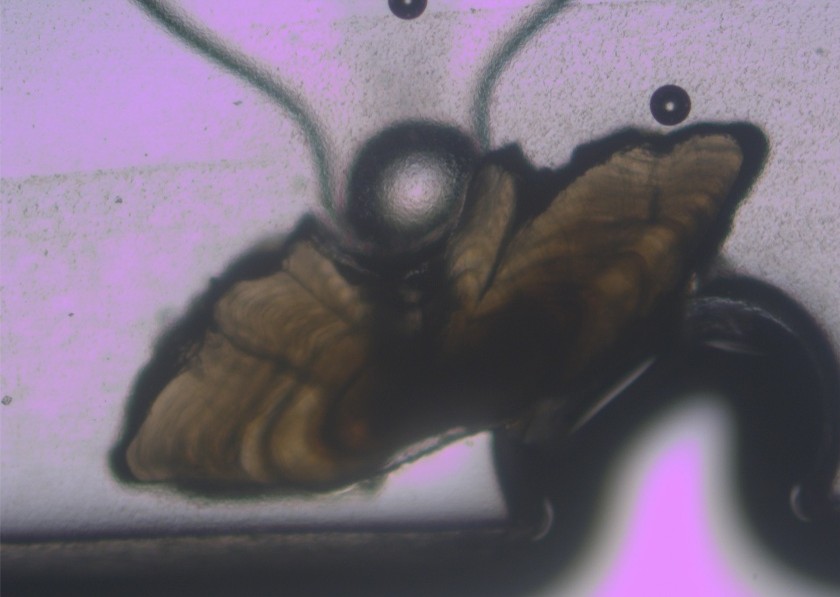
As otoliths grow inside the fish, layers of calcium build on top of one another throughout the life of the fish.
Depending on the season of the year, the fish experiences slow growth and fast growth periods. The otoliths develop an opaque zone during slow growth periods and translucent zones during fast growth periods. A slow growth and fast growth area of the otolith is considered one year of age. These areas in the otolith are known as “annuli,” they resemble the growth rings of a tree.
Each species of fish has a unique otolith size and shape. The otoliths are extracted from the fish and stored in either vials or paper envelopes for drying. Otoliths are processed by either thin-sectioning or left whole to count the number of annuli that have formed over the lifetime of the fish.
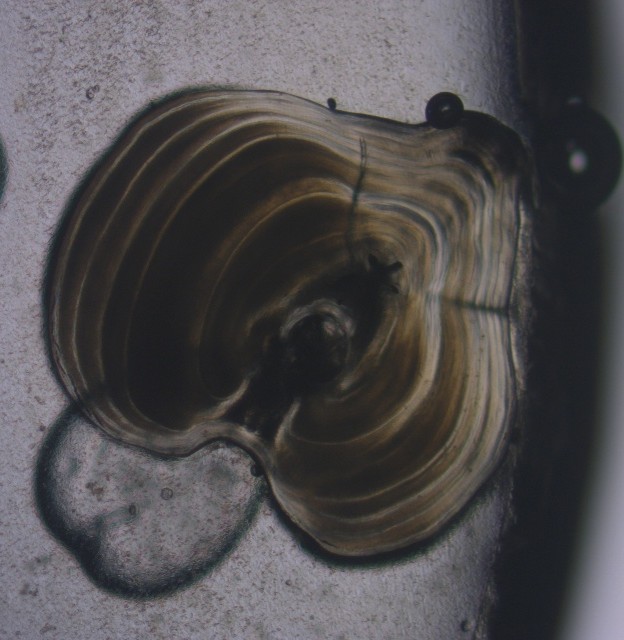
Fin spines, as their name suggests, are found in the fins of some bony fish. This structure is relatively new to the science of ageing, but it’s gaining popularity among biologists.
Fin spines can be taken from fish without killing the fish.
Processing a fin spine is similar to processing an otolith. They are cross sectioned at the base of the spine and mounted on a microscope slide for study and storage.
Scales have long been used for the ageing of fish. The key to ageing scales is obtaining scales that have not been regrown.
Like the hair on our (human) heads, when scales fall off a fish they can and will regrow, but the regrown scale will have scarring. The scarring makes it impossible to age a scale. Therefore, scientists collect many scales to find non-regenerated scales.
Once samples are obtained, they are stored and dried in paper envelopes. When the scales have dried, there are several methods for preparing the scales for ageing.
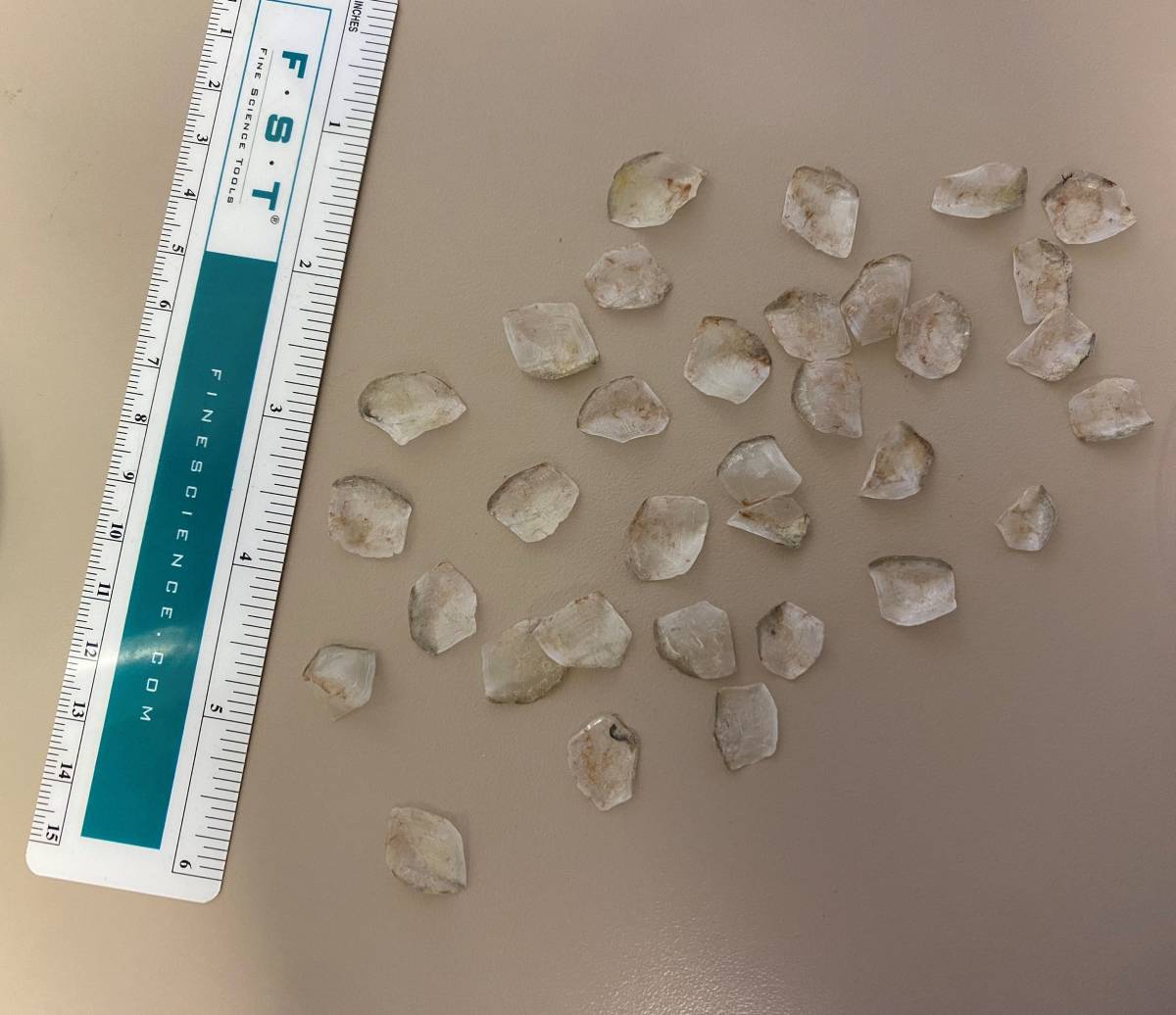
Smaller scales can be aged directly on a magnifier called a Microfiche. Other scales, such as Atlantic Menhaden scales, are pressed together between two glass slides before being viewed under the Microfiche for ageing.
For larger scales, a scale impression is made on an acetate slide using a heated hydraulic press. This ensures longevity of the sample. Larger scales tend to curl and get brittle over time.
Opercula (operculum in the singular) are hard, bony plate-like structures that protect the gills of bony fish. They are one of the most common ways to age tautog since tautog otoliths are extremely small and fragile.
Opercula are cut out of the fish and the remaining flesh is cleaned off by boiling. Once an operculum is stripped down to only bone, it is possible to see the annuli and age the fish.
Related Topics: fish and wildlife, fisheries, monitoring, research
Delaware's Governor
State Agencies
Elected Officials
General Assembly
Delaware Courts
State Employees
Cities & Towns
Delaware State Code
State Regulations
Business First Steps
Phone Directory
Locations Directory
Public Meetings
Voting & Elections
Transparency
Health Insurance
Tax Center
Personal Income Tax
Privacy Policy
Weather & Travel
Contact Us
Corporations
Franchise Tax
Gross Receipts Tax
Withholding Tax
Delaware Topics
Help Center
Mobile Apps
E-mail / Text Alerts
Social Media


Built by the Government Information Center
©MMXXVI Delaware.gov