DNREC Menu

Delaware is home to diverse and vibrant communities of fish and wildlife. Thousands of visitors are drawn to Delaware for hunting, fishing, wildlife viewing and photography. As Delaware expands its urban and suburban centers, and the population grows, there is an increase in human-wildlife contact and, sometimes, conflict. The idea of “nuisance wildlife” has become a topic of concern for many.
Wildlife can become a nuisance when there is property damage, interruption of daily activities or safety risks to humans, pets or livestock. The wildlife may only be in search of shelter or food, but Delaware landowners are asking for help in properly managing these interactions.
There are several programs available to help landowners in Delaware, from the DNREC Division of Fish and Wildlife and others. These programs are designed to help alleviate human-wildlife conflict and are available to the public, businesses and agriculture operations.
Find information on Canada Geese, Beavers, Foxes, Deer Damage Assistance and Nuisance Wildlife Control Operators, as well as answers to some commonly-asked questions about nuisance wildlife.
Resident Canada geese (Branta canadensis) are Canada geese that do not migrate and stay in Delaware year-round.
Concerns about resident Canada geese include damage from geese feeding on lawns and pastures, the feces they leave behind and the aggressive nature of some geese.
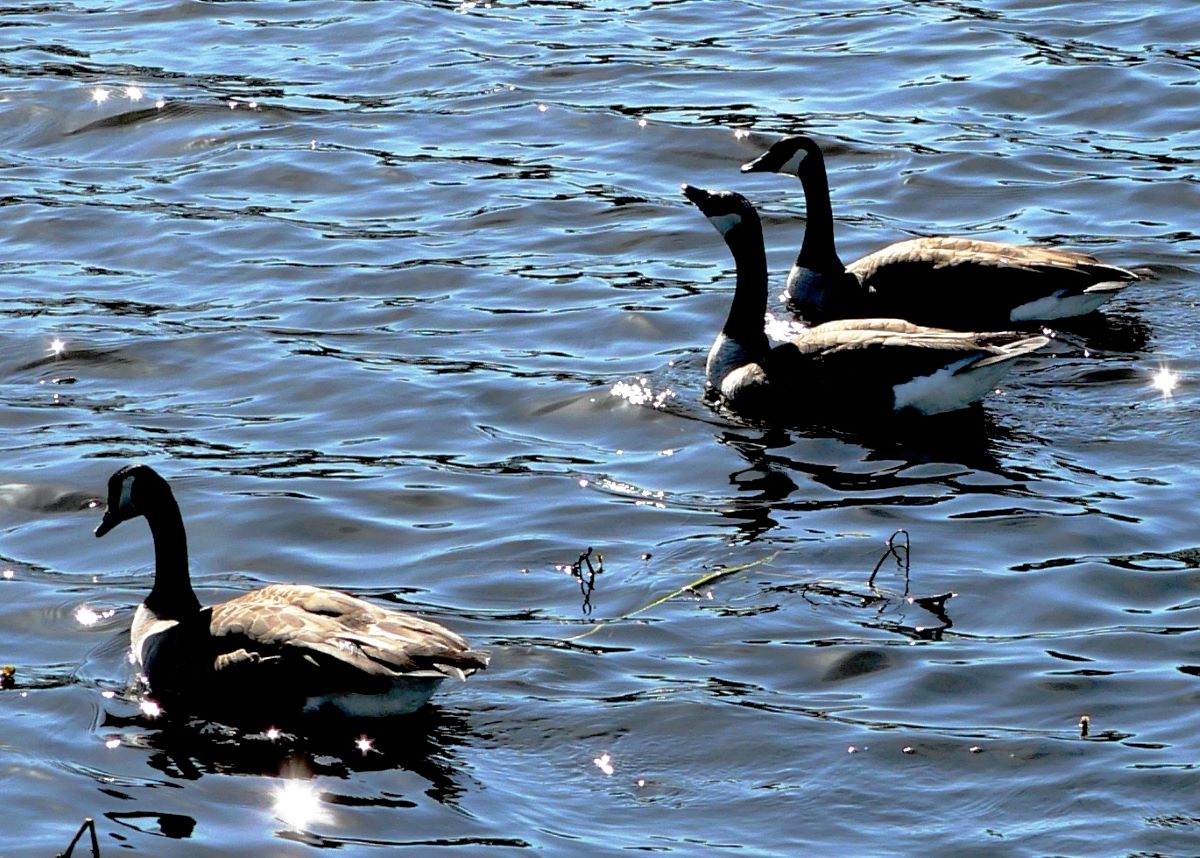
Hazing and other non-lethal options have proved effective as long-term solutions and should be tried first. There is no “silver bullet” for resident geese; non-lethal methods must be used in conjunction with each other.
There are also lethal means that may be sought for resident Canada geese, in addition to destruction of active nests and addling/destruction of eggs. However, these require federal permits and are highly regulated. Careful consideration should be taken before their use.
Delaware issues permits for Depredation for Agricultural Operations, under federal guidance. For more information, contact the DNREC Wildlife Damage Biologist at 302-735-8683.
Beavers (Castor canadensis) are native to North America and have an important place in American history. Beavers are known for their ability to dam streams, build lodges and chew/cut trees down for food and material to build their lodges.
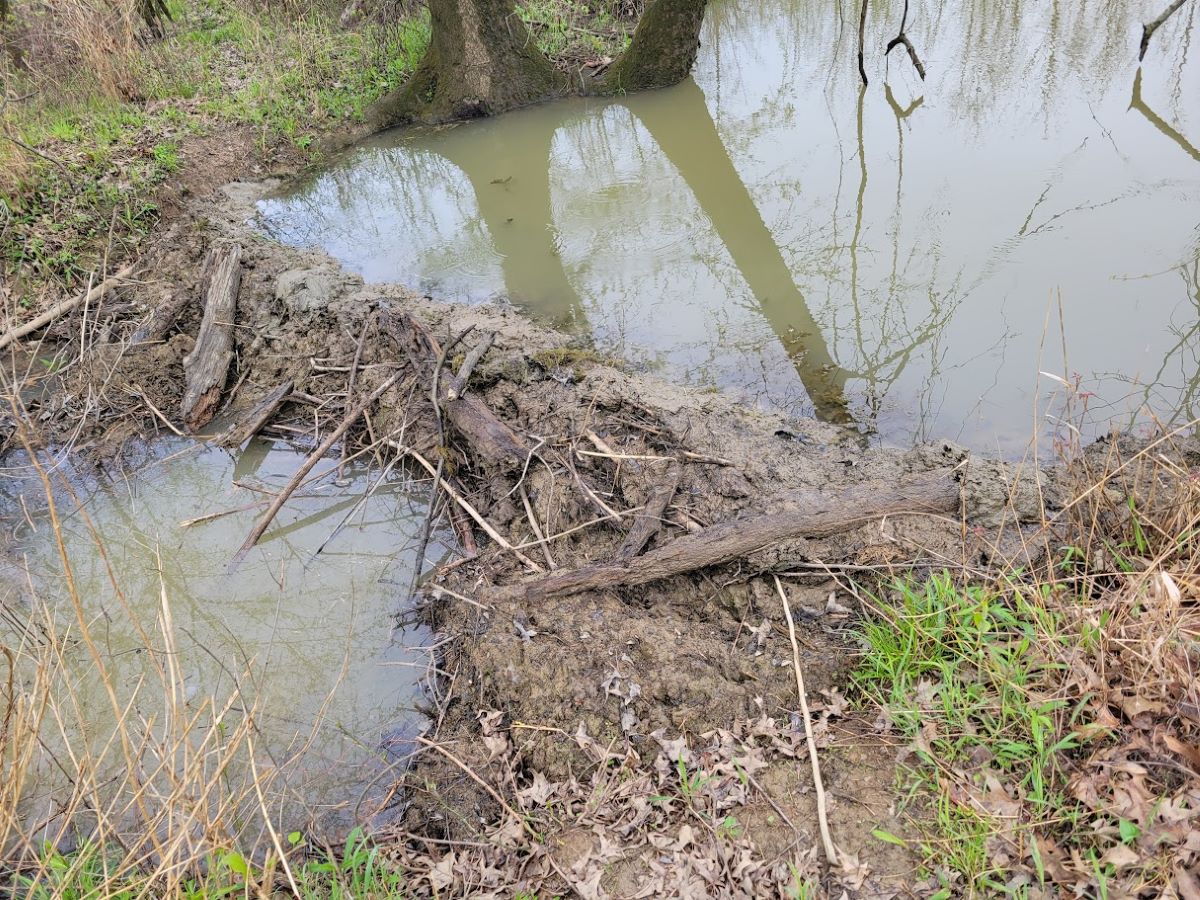
Sometimes these activities cause conflict with landowners in the form of flooding, property damage and cutoff of access to property.
Non-lethal control is possible with beavers and has been shown effective if steps are followed correctly.
Delaware provides a free trapping services to qualified landowners if damage meets certain requirements.
Beavers can also be removed by a Nuisance Wildlife Control Operator or trapped by a licensed recreational trapper during the regulated trapping season. Recreational trapping provides a long-term management solution to alleviate beaver issues.
Beavers are not allowed to be relocated in Delaware due to their very aggressive territorial nature. All beaver removal is lethal.
To learn more about the requirements for free removal, contact the DNREC Wildlife Damage Biologist by email or at 302-735-8683.
Red and Gray foxes are native to Delaware and can be seen year-round in every corner of the state. Red foxes are highly adaptable and are frequently seen in urban and suburban environments.
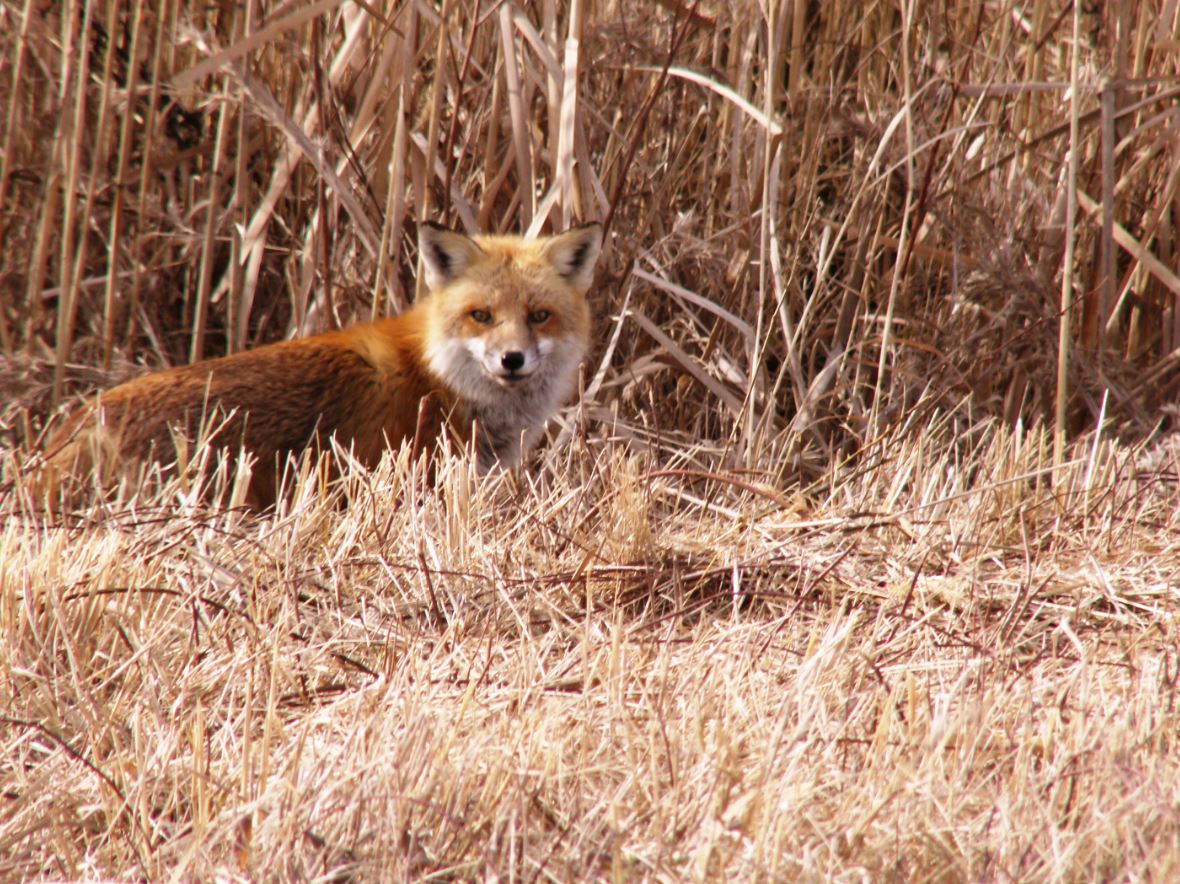
Conflict with foxes occurs when their adaptability collides with human interest. Conflict with foxes is common when foxes set up dens under sheds, hunt backyard poultry flocks, and when they travel in areas close to development and recreation.
Both Gray and Red foxes have a regulated trapping season and are a furbearer species in Delaware.
If established deer hunting seasons do not provide adequate regulation of the deer population, commercial farming operations can apply for increased antlerless deer harvest opportunities under the DNREC Deer Damage Assistance program.
This program is not intended for managing damage to residential landscaping.
Delaware issues annual licenses to private professionals to conduct nuisance wildlife work for the public in Delaware. These licensed professionals and businesses can work with homeowners and individuals to help resolve wildlife conflict.
The website wildlifehelp.org includes a list of licensed wildlife control operators.
Those wishing to become a licensed Nuisance Wildlife Control Operator or to conducting nuisance wildlife work in Delaware as a part of their business can apply for a license.
For more information, please contact Ryan Harris, DNREC Wildlife Damage Biologist, at ryan.harris@delaware.gov or 302-735-8683.
Some animals can be trapped and relocated by homeowners. Wildlife cannot be released on any state or public land, and you must obtain permission from private landowners before releasing any wildlife species.
While relocation seems like a good idea, most relocated animals die soon after release. Relocated animals don’t know where to find food or shelter in their new location, and other animals of the same species might be hostile to an unknown intruder.
There are also concerns that relocating animals can spread wildlife diseases. Not all wildlife diseases show symptoms when an animal is sick. Relocating wildlife poses a threat to healthy populations.
Immediately leave the area and attempt to seek shelter in a building or vehicle. If pets are present attempt to get them out of the area as well. Contact the DNREC Natural Resources Police at 800-523-3336.
State wildlife officials receive many calls from concerned citizens about baby wildlife. Callers want to know what to do if one is found. They worry that the animals may have been abandoned.
Many of these juvenile animals are being hidden by their mothers while the mother seeks food during the daytime. This is commonly seen with White-tailed deer stashing fawns.
These juveniles should be given space and left alone unless there is an immediate threat to their safety or to public safety — nests in a yard being mowed, nests in trees being cut, or animals in a roadway.
Keep children and pets away from juvenile animals for a few hours to provide space for them.
Contact the DNREC Division of Fish and Wildlife for information about the legality of moving animals and providing care for them. There are state or federal protections on some wildlife species.
If necessary, a wildlife rehabilitator can be contacted for assistance if there are injuries to animals. Wildlife rehabilitators can be found at www.dewildliferescue.com.
Related Topics: beaver, canada geese, conservation, deer, fish and wildlife, fox, geese, wildlife
Delaware's Governor
State Agencies
Elected Officials
General Assembly
Delaware Courts
State Employees
Cities & Towns
Delaware State Code
State Regulations
Business First Steps
Phone Directory
Locations Directory
Public Meetings
Voting & Elections
Transparency
Health Insurance
Tax Center
Personal Income Tax
Privacy Policy
Weather & Travel
Contact Us
Corporations
Franchise Tax
Gross Receipts Tax
Withholding Tax
Delaware Topics
Help Center
Mobile Apps
E-mail / Text Alerts
Social Media


Built by the Government Information Center
©MMXXVI Delaware.gov