DNREC Menu

Shad restoration is occurring along the entire east coast due to dwindling population numbers. This trend is most apparent in the Chesapeake Bay, including the Nanticoke River Delaware’s only major tributary of the Chesapeake Bay which flows through western Sussex County.
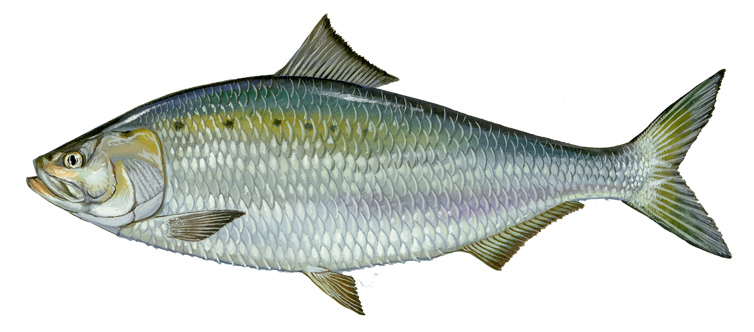
The Nanticoke River stock of shad is considered depleted and is undergoing a long-term restoration program. Since 2000, the DNREC Division of Fish and Wildlife has stocked more than 11.4 million shad into the Nanticoke River.
American Shad are an important species native to the East Coast. They are targeted by recreational and commercial fishermen. Shad are also an important link in the food chain for predators such as largemouth and striped bass.
For more information, please contact Johnny Moore at Johnny.Moore@delaware.gov or 302-735-2962.
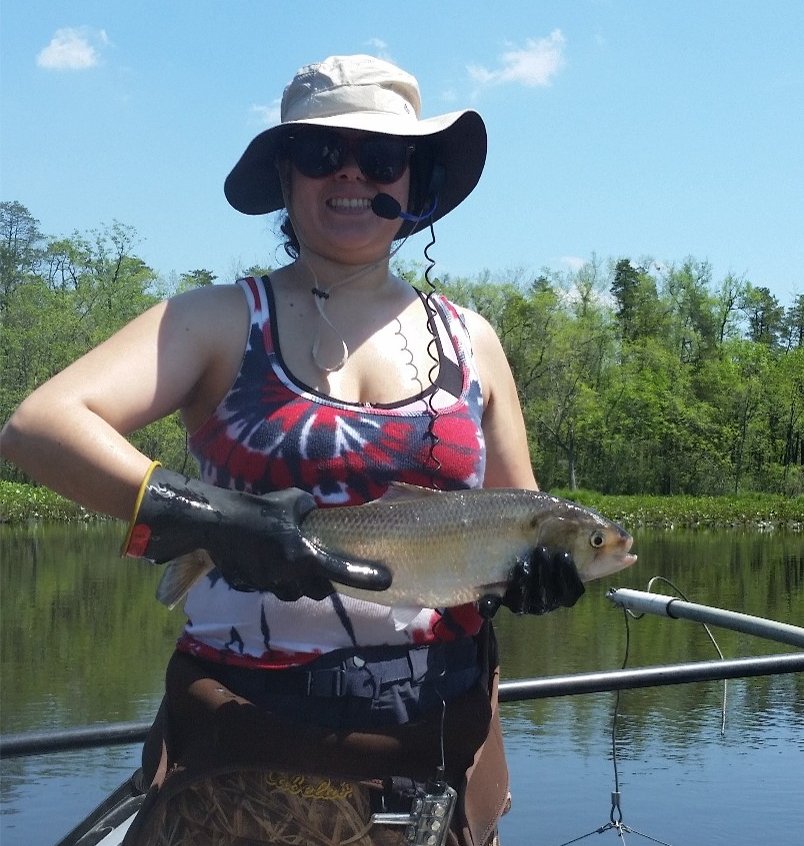
Adult American Shad and Hickory Shad are monitored each spring to gauge their abundance in the headwater streams of the Nanticoke River.
Adult shad are captured using an electrofishing boat.
Juvenile shad numbers are monitored during the summer months using a large haul seine in the main Nanticoke River and Broad Creek.
This 150-foot-long seine net is anchored to shore and set from a boat in a semi-circle pattern then hauled in by hand.
Each spring, the DNREC biologists collect adult American Shad from the Nanticoke River and place them in a 4,000-gallon spawning tank located at the Nanticoke Shad Hatchery near Bethel.
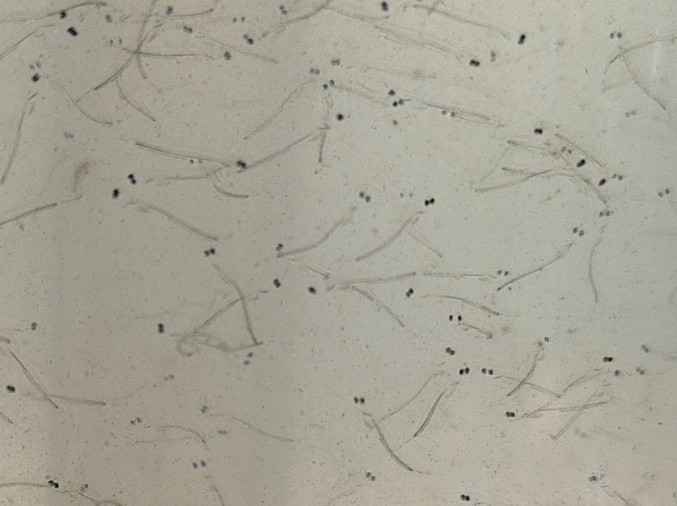
Spawning occurs in this large tank and the fertilized eggs are collected, cultured and allowed to hatch a few days later.The tiny shad larvae (fry) are stocked in the Nanticoke River and its tributaries, where they will remain for their first year of life before migrating into the Chesapeake Bay and then, after another four to six years, to the Atlantic Ocean.
Unlike many species of anadromous fish such as salmon, which spend most of their lives in saltwater but return to freshwater to spawn and die, American Shad do not die after spawning and may return to their natal river in the Mid-Atlantic region to spawn again.
Most of adult shad used in the hatchery spawning effort are released, after brief captivity, back into the Nanticoke River to spawn another year.
Related Topics: fish and wildlife, fisheries, monitoring, reesearch, shad, stocking
Delaware's Governor
State Agencies
Elected Officials
General Assembly
Delaware Courts
State Employees
Cities & Towns
Delaware State Code
State Regulations
Business First Steps
Phone Directory
Locations Directory
Public Meetings
Voting & Elections
Transparency
Health Insurance
Tax Center
Personal Income Tax
Privacy Policy
Weather & Travel
Contact Us
Corporations
Franchise Tax
Gross Receipts Tax
Withholding Tax
Delaware Topics
Help Center
Mobile Apps
E-mail / Text Alerts
Social Media


Built by the Government Information Center
©MMXXVI Delaware.gov