DNREC Menu
The U.S. Fish and Wildlife Service (USFWS) has given formal approval to Delaware’s 2025 Wildlife Action Plan (DEWAP), which will be the State’s conservation blueprint for wildlife diversity for the next 10 years – through 2035. The Plan is required for Delaware to remain eligible for the USFWS’s State Wildlife Grant Program funding.
The 2025 Delaware Wildlife Action Plan replaces and builds on the 2015 Wildlife Action Plan, after a three-year update process. The Division of Fish and Wildlife and DNREC’s conservation partners worked with wildlife experts, other key stakeholders and the public throughout the state and region gathering input to develop and revise the plan.
Like past plans, the 2025 Plan directs the Division of Fish and Wildlife to plan effectively for wildlife diversity now and prepare to adapt to future dynamic wildlife populations, habitats, threats and actions.
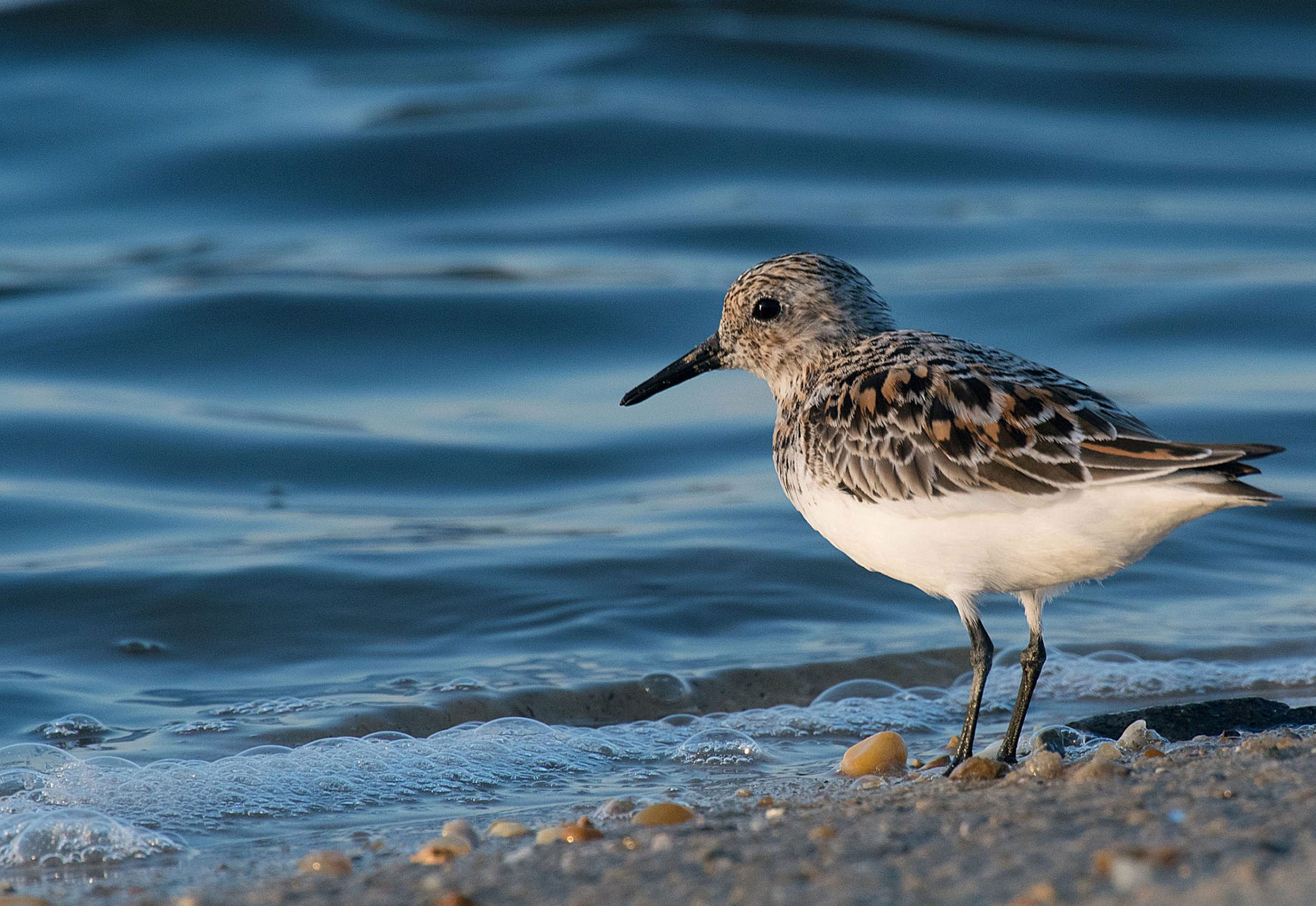
Delaware’s Wildlife Action Plan charts a path toward a thriving future for fish, wildlife and the habitats they depend on. Rooted in science and shaped by collaboration, it focuses conservation where it matters most to protect the natural legacy we share.
At the heart of the 2025 revision is an effort to make the plan more accessible, by web-enabling its contents, providing public access to a searchable database, and displaying maps of important habitats. This revision makes the plan easy to reach for and use by DNREC’s conservation partners, planners, state and local agencies, and the public.
Working with stakeholders, DNREC has identified and prioritized the fish, wildlife and associated habitats most in need of conservation. Each state determines its own SGCN list, based on criteria such as global and state rarity, endangered status at the state or federal level, and designation as a Northeast Regional Species of Greatest Conservation Need. (Delaware is classified as belonging to the USFWS’s Northeast Region.) Each species is further categorized into Tier 1, Tier 2, or Tier 3, with the tiers reflecting the urgency and level of conservation need.
A key 2025 update to the list is the inclusion of 326 plants, bringing the total number of SGCN to 1,019 species. In addition to addressing the conservation needs of rare and uncommon species, the plan also identifies actions to keep common species common by recommending conservation efforts throughout Delaware that can be undertaken by public and private partners over the next decade.
The federal State Wildlife Grants (SWG) program assists state fish and wildlife agencies with conservation of wildlife species of greatest conservation need and the habitats they rely on.
Federal funding for state wildlife programs requires comprehensive wildlife conservation planning at the state level through Wildlife Action Plans.
States must update their plans every 10 years and include all species and habitats.
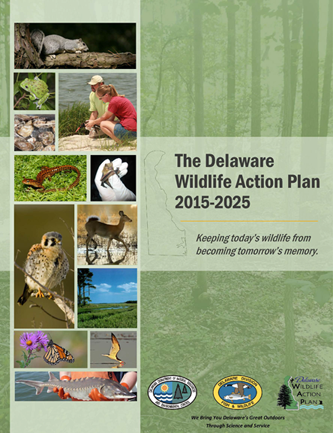
The Department published a Wildlife Action Plan for 2015 to 2025 after a nearly three-year public process involving various stakeholders and species experts.
The 2015 plan is available in full as a downloadable ZIP file (Note: this file is about 30 MB), a Fact Sheet, an Executive Summary or as individual chapters and appendices.
Chapter 1: Delaware’s Wildlife Species of Greatest Conservation Need
Chapter 2: Delaware’s Wildlife Habitats
Chapter 3: Issues Affecting SGCN and Key Habitats in Delaware
Chapter 4: Conservation Actions to Address the Key Issues Facing Delaware’s SGCN and their Habitats
Chapter 5: Monitoring, Review and Revision
Chapter 6: Outreach and Coordination
Appendix 1.A: SGCN List by Ecological Group
Appendix 1.B: SGCN List, Alphabetical with Criteria Met
Appendix 1.C: Additions and Removals to SGCN List
Appendix 1.D: Data Sources Consulted
Appendix 2.A: Delaware Wildlife Habitat Classification
Appendix 2.B: Habitat Crosswalk, 2007-2015
Appendix 2.C: Species-Habitat Associations
Appendix 2.D: Scientific Names of Plant Species
Appendix 3: TRACS Conservation Actions and Ranking Criteria
Appendix 4: IUCN Conservation Issues and Ranking Criteria
Appendix 5: Compilation of Existing Monitoring Programs
Appendix 6: Outreach and Coordination
Related Topics: action plan, conservation, fish and wildlife, habitat, wildlife
Delaware's Governor
State Agencies
Elected Officials
General Assembly
Delaware Courts
State Employees
Cities & Towns
Delaware State Code
State Regulations
Business First Steps
Phone Directory
Locations Directory
Public Meetings
Voting & Elections
Transparency
Health Insurance
Tax Center
Personal Income Tax
Privacy Policy
Weather & Travel
Contact Us
Corporations
Franchise Tax
Gross Receipts Tax
Withholding Tax
Delaware Topics
Help Center
Mobile Apps
E-mail / Text Alerts
Social Media


Built by the Government Information Center
©MMXXVI Delaware.gov