DNREC Menu

The DNREC Division of Fish and Wildlife reviews applications for permits for shooting preserves, retriever training and for gamebird possession, breeding and release.
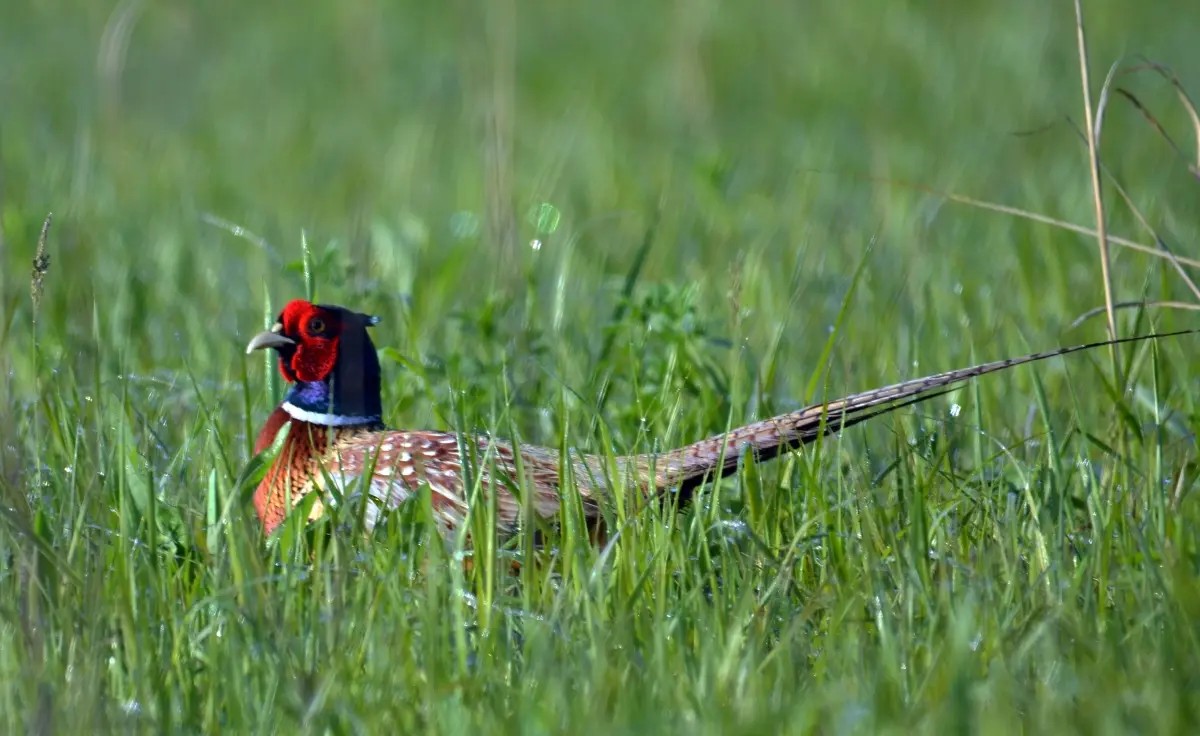
Gamebirds approved for release include quail, chukar partridge, Hungarian partridge and pheasants.
These permits do not authorize the release of waterfowl.
Authority for upland game permits comes from 7 Del. C. §§ 542-545., Breeders of Game Animals or Birds for Commercial Purposes, which requires an annual license for breeding game animals or game birds, and Subsection 20.0 (Game Bird Releases) of the Delaware Wildlife regulation (7 DE Admin Code 3900), which requires a permit from DNREC to release gamebirds into the wild.
For more information, please contact Dana Patone at Dana.Patone@delaware.gov or 302-739-9912.
A federal U.S. Fish and Wildlife permit is required to sell, trade, give away or otherwise dispose of any migratory waterfowl that are protected under the Migratory Bird Treaty Act. Any federal permits must be included with state-level permit applications.
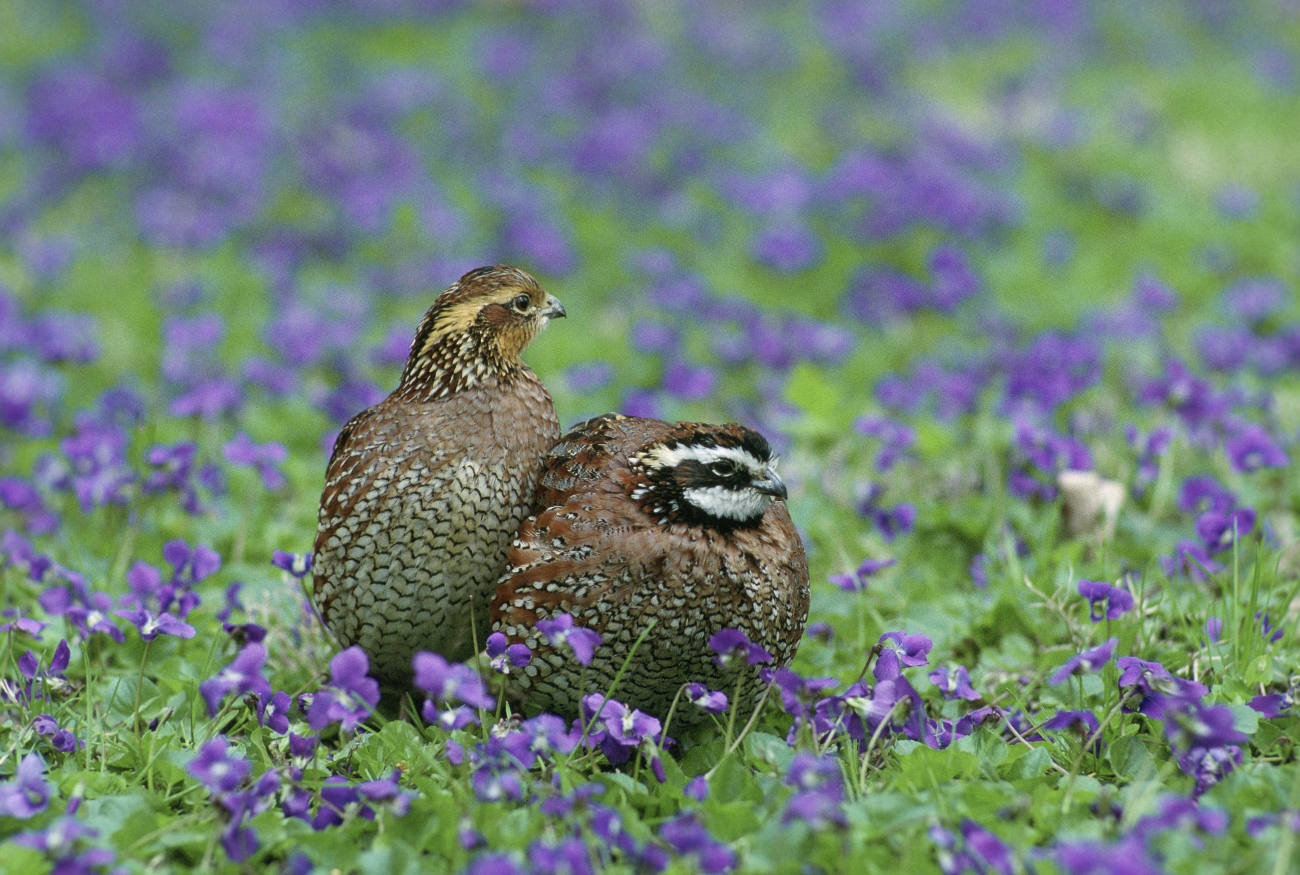
Anyone proposing to release northern bobwhite quail must provide the specific location(s) upon which the release(s) will take place. Proposed release locations will be considered by the Division of Fish and Wildlife and must be approved before any quail are released.
Permittees releasing gamebirds, excluding waterfowl, must tag each bird with an approved auxiliary marker. All auxiliary markers must be yellow.
Approved auxiliary markers include nasal discs and saddles, patagial markers, seamless leg bands, metal butt-end leg bands, plastic or metal leg bands that have a locking clasp or plastic bandettes.
All upland game permit applications must include the name and address of the applicant, the address or parcel number of the property the permit is intended for, the species of gamebirds intended for possession and/or release and the number of each species.
These permits are for those who engage in the activity, business or industry of breeding game animals or game birds. The release of waterfowl is not permitted.
These permits are valid from the date of issuance until the last day of the year (December 31).
These permits are for anyone possessing and/or releasing 25 or fewer total gamebirds, in any combination of the allowable species. This permit is free.
These permits are for anyone possessing and/or releasing 26 or more gamebirds, in any combination of the allowable species. This permit is $17.50
Application to Possess or Release Gamebirds
A shooting preserve is a privately operated, licensed facility where captive-bred or pen-raised game birds are released under specific regulations. These preserves are designed to provide a controlled environment for hunting while supporting wildlife management and conservation
A Shooting Preserve Permit allows for the liberation and take of rabbits and gamebirds. The annual permit fee is $39.50.
A Game Keeper or Game Breeder Permit is not also required.
A hunting license is required to participate in the take of liberated rabbits or gamebirds.
The release of waterfowl is not permitted
Hunting liberated game on a licensed shooting preserve is not allowed between April 1 and Oct. 14.
Shooting Preserve Permit Application
A Retriever Training Permit authorizes the training of retrievers at any time during the year under certain conditions. This permit also requires a Gamebird Release Permit if liberating gamebirds.
A permittee may possess artificially reared game and may hunt such game with a shotgun, but such game must be hand-liberated during dog training.
A permittee may possess and release 25 or fewer domestically raised quail, chukar partridge, Hungarian partridge and pheasants into the wild for retriever training.
All domestically raised quail, chukar partridge, Hungarian partridge and pheasants must be leg banded with a yellow DNREC-approved auxiliary marker before being released for retriever training.
No wild game is to be used for training.
This permit is not valid on state wildlife areas, except within designated dog training areas.
For information on obtaining a Retriever Training Permit, please contact Dana Patone at Dana.Patone@delaware.gov or 302-739-9912.
Related Topics: fish and wildlife, gamebirds, hunting, permitting and regulation, pheasant, quail, retrievers
Delaware's Governor
State Agencies
Elected Officials
General Assembly
Delaware Courts
State Employees
Cities & Towns
Delaware State Code
State Regulations
Business First Steps
Phone Directory
Locations Directory
Public Meetings
Voting & Elections
Transparency
Health Insurance
Tax Center
Personal Income Tax
Privacy Policy
Weather & Travel
Contact Us
Corporations
Franchise Tax
Gross Receipts Tax
Withholding Tax
Delaware Topics
Help Center
Mobile Apps
E-mail / Text Alerts
Social Media


Built by the Government Information Center
©MMXXVI Delaware.gov