DNREC Menu

Residents living along Delaware’s public fishing ponds and lakes play an important role in the stewardship of the public fishing ponds and lakes managed by the DNREC Division of Fish and Wildlife. Waterside living offers peace, natural beauty, wildlife viewing and excellent angling opportunities. While enjoying these amenities, residents should keep in mind that these ponds and lakes are managed for the public good and specifically for freshwater fishing.
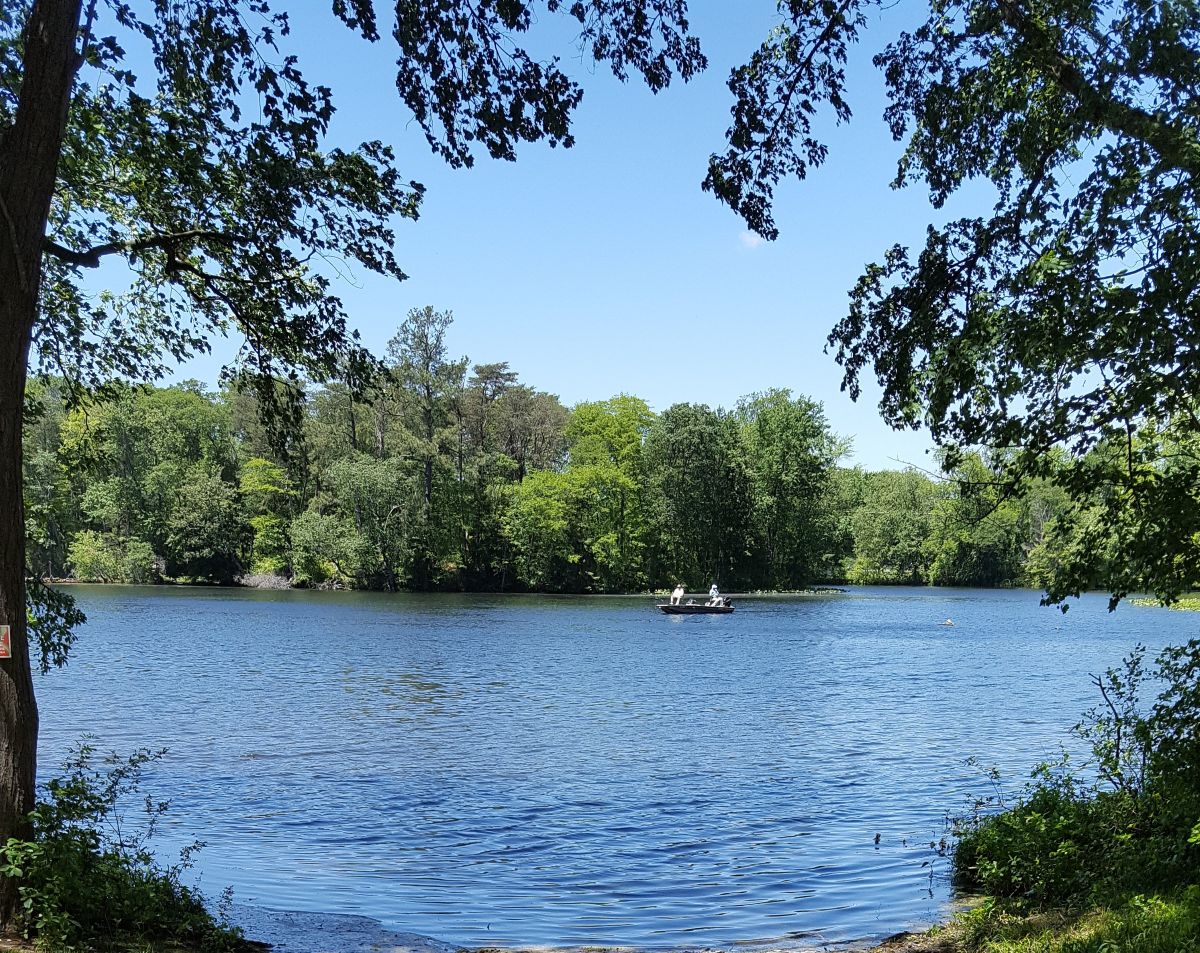
The Division of Fish and Wildlife manages ponds to support healthy fish populations, protect habitat and provide public access for fishing and boating.
The division periodically conducts surveys to monitor gamefish populations. When needed, Largemouth Bass, Bluegill, Pumpkinseed and Black Crappie are stocked.
Other fish species popular with anglers are also maintained, such as chain pickerel, brown bullhead catfish, redear sunfish and yellow perch.
The natural features of the ponds and lakes offer essential habitat for many species of fish and wildlife.
Aquatic vegetation is managed with a target density of about 40% of the main waterbody area to benefit gamefish. Fallen trees are left in place along the shoreline as habitat for fish, and other aquatic life. Brush piles or evergreen trees are periodically sunken to enhance underwater habitat for gamefish.
The boat ramps and state-owned property along the shore are open to the public year-round. If lawfully fishing, the public can access the ponds 24 hours a day. Anglers (including shoreline residents) must have a valid Delaware fishing license and abide by Delaware fishing rules and regulations.
Residents living along shorelines can help protect water quality by adopting the following best management practices:
Maintain natural vegetation along the shore (at least 15 to 20 feet wide). This habitat provides cooling shade, filters stormwater and helps stabilize the shoreline. Avoid mowing grass to the water’s edge.
Avoid feeding waterfowl. While well-intentioned, feeding encourages birds to stay year-round, and their droppings increase nutrients that can lead to algae blooms.
Limit fertilizer use. Residents should follow the “Livable Lawns” guidance at www.delawarelivablelawns.org.
Shoreline Structures: Construction of new bulkheads, riprap, private docks, piers and other structures, as well as other in-water work on state property, is not permitted. Such structures installed prior to June 10, 1993, may be rebuilt within their original footprint provided there is clear evidence that they are still serviceable and the required state permits are obtained.
Aquatic Vegetation Management: The division manages aquatic vegetation. Private application of herbicides, algaecides or other chemicals is not permitted.
Fish Stocking: Only division-approved personnel are permitted to stock fish.
Collection of Aquatic Animals: Traps, pots, gill-nets and similar devices may not be used in ponds or lakes.
Dumping in Ponds: Putting yard waste, leaves, grass clippings or other types of material into the water is prohibited. There are other options to properly dispose of yard waste.
Boating: All vessels must be operated at “no wake” speed.
Swimming: For public health and safety, swimming is illegal in the ponds and lakes.
This list covers the primary guidelines, but it is not exhaustive. If you have any questions about a specific activity, contact the DNREC Fisheries Section at 302-739-9914 or DNRECFisheries@delaware.gov.
Related Topics: dfw, fish and wildlife, fishing, freshwater, guide, lakes, outdoors and recreation, ponds, residents, shoreline, wildlife
Delaware's Governor
State Agencies
Elected Officials
General Assembly
Delaware Courts
State Employees
Cities & Towns
Delaware State Code
State Regulations
Business First Steps
Phone Directory
Locations Directory
Public Meetings
Voting & Elections
Transparency
Health Insurance
Tax Center
Personal Income Tax
Privacy Policy
Weather & Travel
Contact Us
Corporations
Franchise Tax
Gross Receipts Tax
Withholding Tax
Delaware Topics
Help Center
Mobile Apps
E-mail / Text Alerts
Social Media


Built by the Government Information Center
©MMXXVI Delaware.gov