DNREC Menu

Submarine infrastructure, such as cables and pipelines, along with archaeological resources and artificial reefs, form both the literal and figurative foundation of Delaware’s blue economy and environment. On the seafloor, these structures support essential services like communication, energy transmission and habitat creation. Archaeological resources are records of the past, while artificial reefs enhance biodiversity and support recreational and commercial fisheries. Together, these assets contribute to economic growth, environmental resilience and a deeper understanding of Delaware’s maritime heritage.
Undersea cables and pipelines play a crucial role in connecting regions by carrying electricity, internet, resources and other telecommunications across bodies of water.
In Delaware’s Planning Area, a network of submarine cables supports both communication and power transmission.
Existing offshore cables in the Atlantic ocean support telecommunications, while the existing Delaware Bay cables are used to transmit electricity.
These systems are carefully engineered to withstand underwater conditions and are installed to minimize environmental impact.
Spatial Extent: Submarine cables are found in multiple areas, including the upper Delaware bay, near the mouth, and crossing the Planning Area in deeper waters of the Atlantic ocean.
Temporal Pattern: Year round
Learn more about cables and pipelines in the Baseline Characterization of Uses and Resources Final Report
Delaware’s coastal and underwater archaeological sites offer valuable insights into the region’s rich maritime history, from Native American settlements to colonial towns and Civil War landmarks.
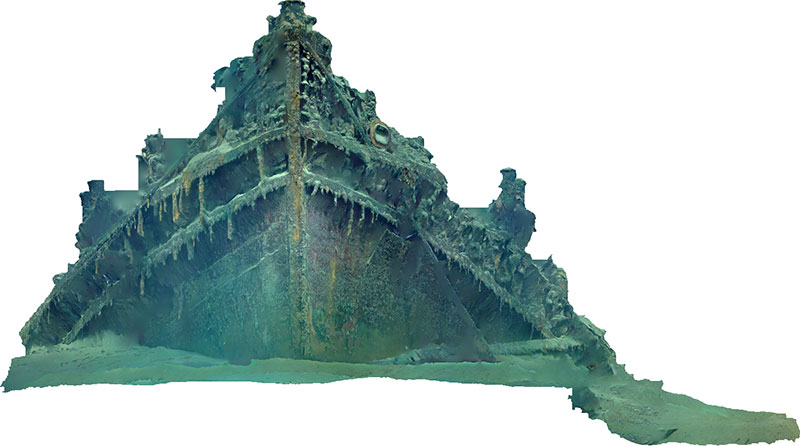
The area is also home to 17 known shipwrecks, part of a broader collection of historically significant wrecks along the Delaware and Maryland coast.
These sites are studied and preserved through collaborative efforts involving archaeologists, local communities, and government agencies.
Protecting these cultural resources supports education, tourism, and the local economy while ensuring their legacy for future generations.
Spatial Extent: Delaware Bay and Atlantic Ocean
Temporal Pattern: Year round
Sources:
Learn more about archeological resources in the Baseline Characterization of Uses and Resources Final Report
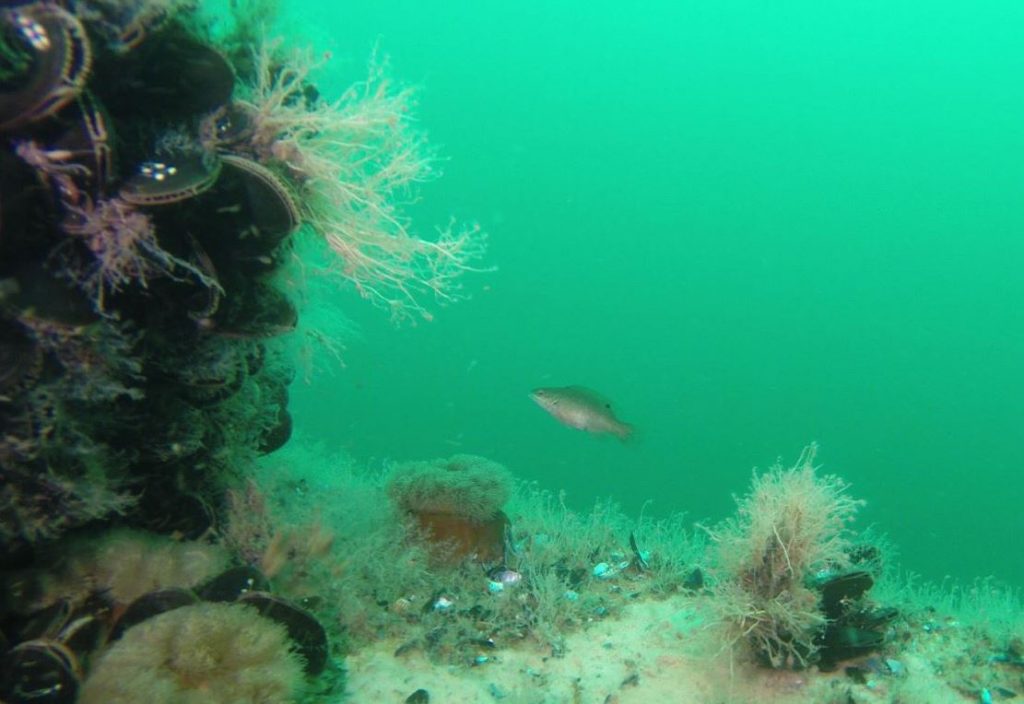
Artificial reefs off Delaware’s coast are created using materials like cleaned concrete, old boats and even retired subway cars to support marine life and enhance recreational fishing and diving.
These structures quickly attract sea life, providing shelter for young fish and habitat for a variety of species.
The Delaware Department of Natural Resources and Environmental Control (DNREC) manages 14 artificial reef sites, including several in the Delaware Bay.
Spatial Extent: 14 sites in the Planning Area. Nine are in the DE Bay and five are in the ocean.
Temporal Pattern: Year round
Learn more about artificial reef development in the Baseline Characterization of Uses and Resources Final Report
Related Topics: activity guide, atlantic ocean, bay, climate coastal energy, coastal management, coastal programs, delaware bay, economy, marine resources, ocean, planning, recreation
Delaware's Governor
State Agencies
Elected Officials
General Assembly
Delaware Courts
State Employees
Cities & Towns
Delaware State Code
State Regulations
Business First Steps
Phone Directory
Locations Directory
Public Meetings
Voting & Elections
Transparency
Health Insurance
Tax Center
Personal Income Tax
Privacy Policy
Weather & Travel
Contact Us
Corporations
Franchise Tax
Gross Receipts Tax
Withholding Tax
Delaware Topics
Help Center
Mobile Apps
E-mail / Text Alerts
Social Media


Built by the Government Information Center
©MMXXVI Delaware.gov