DNREC Menu
The marine resources off Delaware’s coast are forced to adapt to increased human interactions and disturbances, known as anthropogenic impacts, warming waters and acidification. As essential components of Delaware’s ecosystem, marine resources in the Atlantic Ocean and Delaware Bay provide ecosystem services such as supporting biodiversity, regulating climate, absorbing carbon dioxide and providing clean air.
Maintaining and preserving the health and resilience of these ecosystem services directly impacts human well-being, from food security to public health. Identifying strategies to strengthen the conservation and sustainability of marine resources and the marine environment is the bedrock of ocean planning.
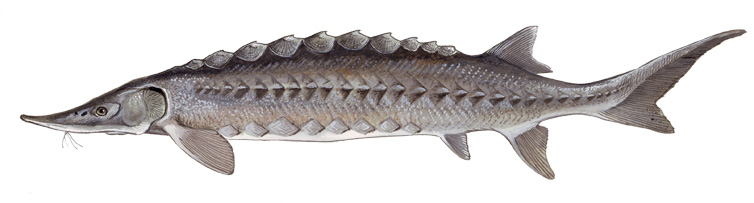
Delaware’s marine waters are home to a rich variety of marine life and serve as critical habitats for many important species. They lie along the migratory path of the endangered North Atlantic right whale and contain key habitat for Atlantic sturgeon in the northern Delaware River.
The area also includes Habitats of Particular Concern for species like the sand tiger shark, sandbar shark, and summer flounder, as well as important deep-sea canyon habitats. These waters support numerous highly migratory fish and shark species, including albacore tuna and shortfin mako, highlighting the need for strong conservation and management efforts to protect these valuable ecosystems.
Spatial Extent: Delaware Bay and Atlantic Ocean
Temporal Pattern: Year round
Learn more about key habitats in the Baseline Characterization of Uses and Resources Final Report
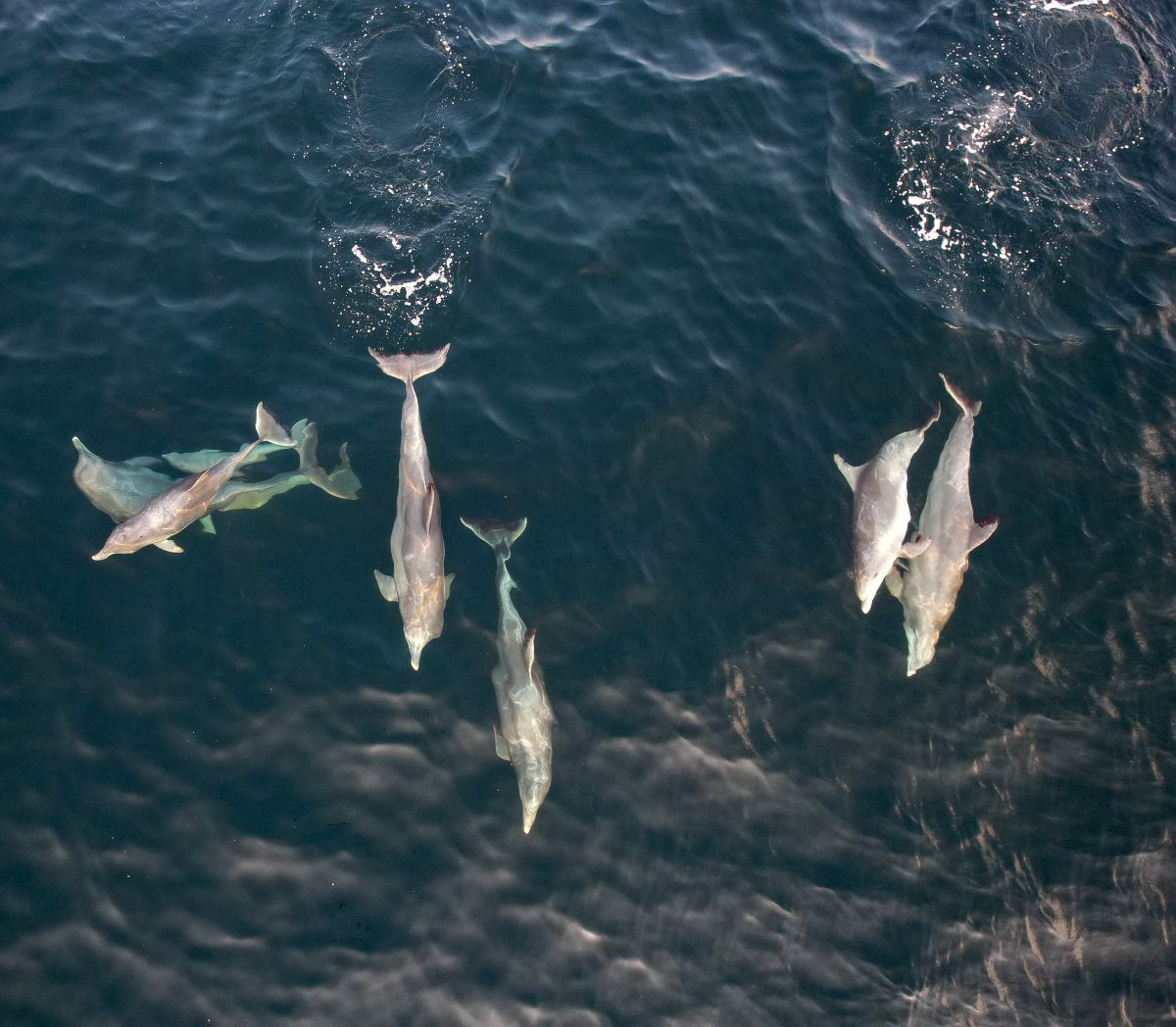
Certain areas along the Atlantic coast, including Delaware’s waters, serve as important migration and habitat zones for whales, dolphins and porpoises. These regions support vital activities like feeding, breeding, and seasonal migration.
Of the 16 marine mammal species found in Delaware, seven, including the North Atlantic Right Whale, Sei Whale, Blue Whale, Fin Whale, Humpback Whale, Sperm Whale and harbor porpoise, are considered Species of Greatest Conservation Need.
Spatial Extent: Atlantic Ocean
Temporal Pattern: During the spring, cetacean species migrate northward to access areas conducive to feeding and breeding. As the fall season approaches, they initiate their southward migrations, marking another phase in their migratory journey.
Learn more about cetacean species and habitat in the Baseline Characterization of Uses and Resources Final Report
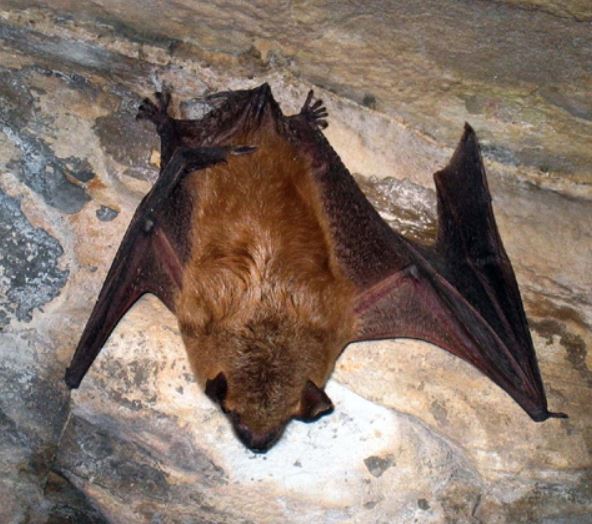
Delaware is home to seven bat species: the little brown bat, big brown bat, tri-colored bat, Eastern red bat, hoary bat, silver-haired bat and the Northern long-eared bat, which has been the subject of a petition for listing under the Endangered Species Act (ESA).
Aerial and boat-based surveys in the Mid-Atlantic have documented bats as far as 27 miles east of Rehoboth Beach and similar distances offshore of New Jersey and Virginia.
Spatial Extent: Delaware Bay and Atlantic Ocean
Temporal Pattern: Year round
Sources:
Learn more about bat species and habitat in the Baseline Characterization of Uses and Resources Final Report
Five species of sea turtles are known in Delaware waters: Loggerhead, Green Turtle, Leatherback, Hawksbill and Kemp’s Ridley.
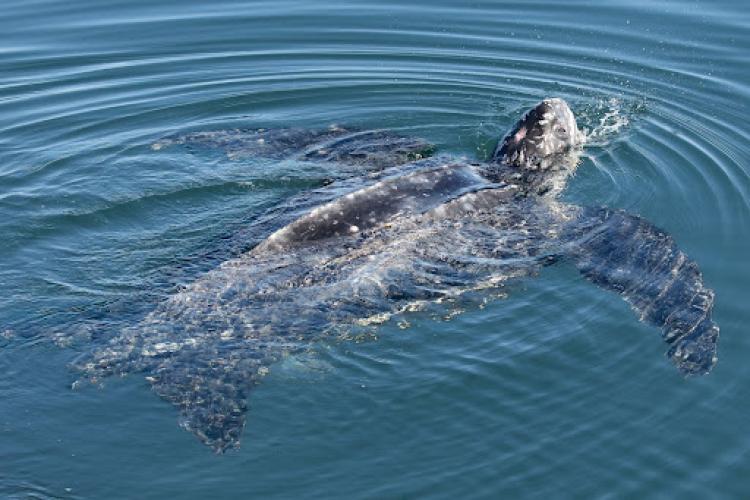
Seasonally, sea turtles, which include loggerhead and leatherback species, follow designated routes within the mid-Atlantic region.
All five species were identified as Species of Greatest Conservation Need in Delaware.
In Delaware Bay, loggerheads (Caretta caretta) occur in the greatest number, and the estuary provides important developmental habitat for juveniles.
Spatial Extent: Loggerhead migration spans from Cape Cod to Florida, with higher concentrations of turtles observed near the shoreline.
Temporal Pattern: Sea turtles visit Delaware’s estuarine and marine waters during the warmer months (June through October).
Learn more about sea turtle migration in the Baseline Characterization of Uses and Resources Final Report
Pelagic birds spend most of their lives at sea, but still face threats like habitat loss, oil spills and accidental capture in fishing gear.
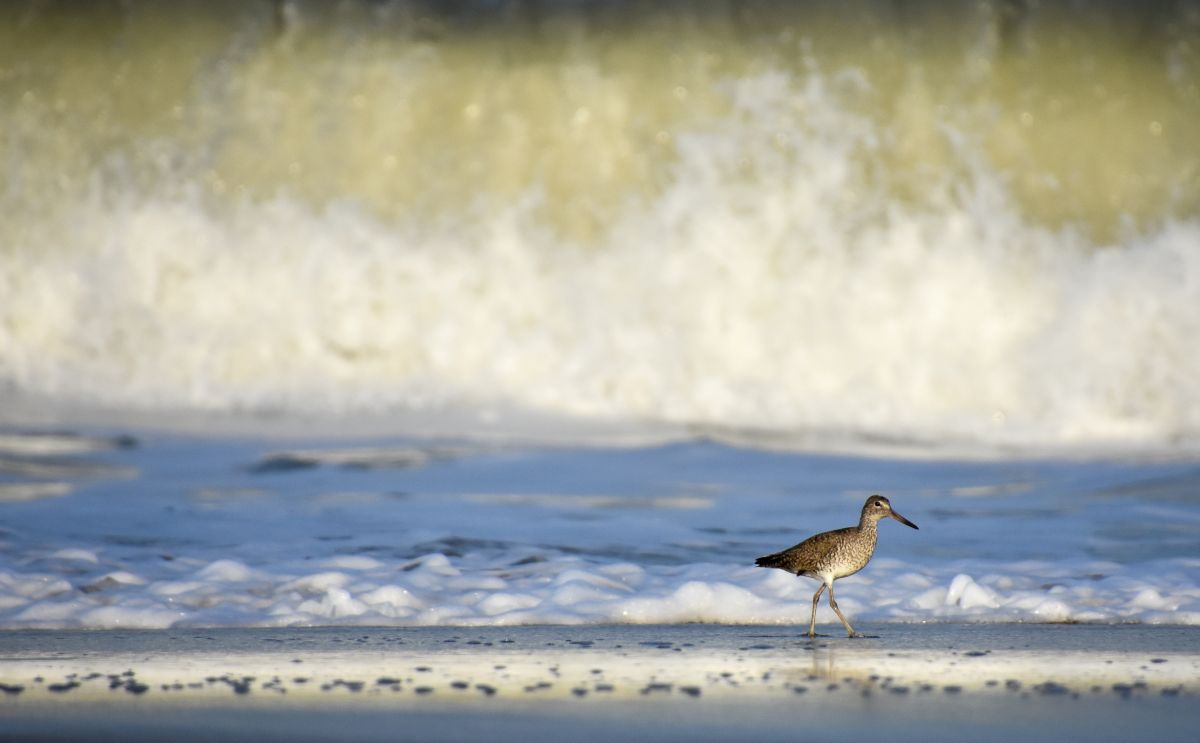
Eleven species have been identified as Species of Greatest Conservation Need in the state, including the Band-rumped Storm-Petrel, Sooty Shearwater, Northern Gannet, Bridled Tern, White-faced Storm-Petrel, Red-necked Phalarope, Great Shearwater, Audubon’s Shearwater, Long-tailed Jaeger, Arctic Tern and Thick-billed Murre, all utilizing the Atlantic Flyway migration corridor.
Delaware Bay is a crucial stopover for thousands of migrating shorebirds each spring, including the federally threatened rufa red knot. Coastal beaches also support nesting sites for endangered birds like the piping plover and American oystercatcher.
Spatial Extent: Delaware Bay and Atlantic Ocean
Temporal Pattern: Varied based upon species.
Learn more about bird species and habitat in the Baseline Characterization of Uses and Resources Final Report
Related Topics: activity guide, atlantic ocean, bay, climate coastal energy, coastal management, coastal programs, delaware bay, environment, marine resources, ocean, planning
Delaware's Governor
State Agencies
Elected Officials
General Assembly
Delaware Courts
State Employees
Cities & Towns
Delaware State Code
State Regulations
Business First Steps
Phone Directory
Locations Directory
Public Meetings
Voting & Elections
Transparency
Health Insurance
Tax Center
Personal Income Tax
Privacy Policy
Weather & Travel
Contact Us
Corporations
Franchise Tax
Gross Receipts Tax
Withholding Tax
Delaware Topics
Help Center
Mobile Apps
E-mail / Text Alerts
Social Media


Built by the Government Information Center
©MMXXVI Delaware.gov