DNREC Menu

Marine resource conservation is essential to maintaining a healthy blue environment off Delaware’s coast, ensuring the long-term sustainability of ecosystems that support commercial and recreational activities. By protecting habitats such as deep-sea corals and areas important to breeding populations of marine organisms, conservation efforts help preserve biodiversity and improve water quality. Thoughtful planning that considers ocean conservation supports climate resilience, fisheries productivity and the overall health of Delaware’s blue economy and communities.
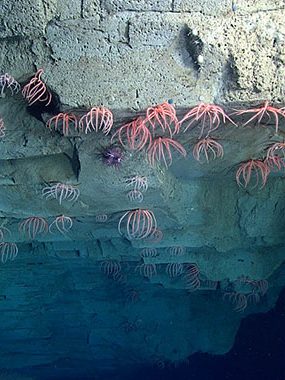
The Frank R. Lautenberg Deep-Sea Coral Protection Area is a designated region running from Virginia to Connecticut, created to protect fragile deep-sea coral ecosystems and preserve marine biodiversity.
To reduce human impact, certain fishing gear that contacts the seafloor is not allowed in this area. These regulations help ensure the long-term health of these unique underwater habitats.
Spatial Extent: The Frank R. Lautenberg Deep-Sea Coral Protection Area covers a large area including and extending beyond the deep-sea canyons on the Outer Continental Shelf (OCS) offshore from Virginia to Connecticut.
Temporal Pattern: Year round
Learn more about coral protection in the Baseline Characterization of Uses and Resources Final Report
The Sustainable Fisheries Act of 1996 allows fishery management councils to protect areas, known as Essential Fish Habitat (EFH), where fish spawn, feed and grow. These habitats help support healthy fish populations and have been key to restoring depleted stocks.
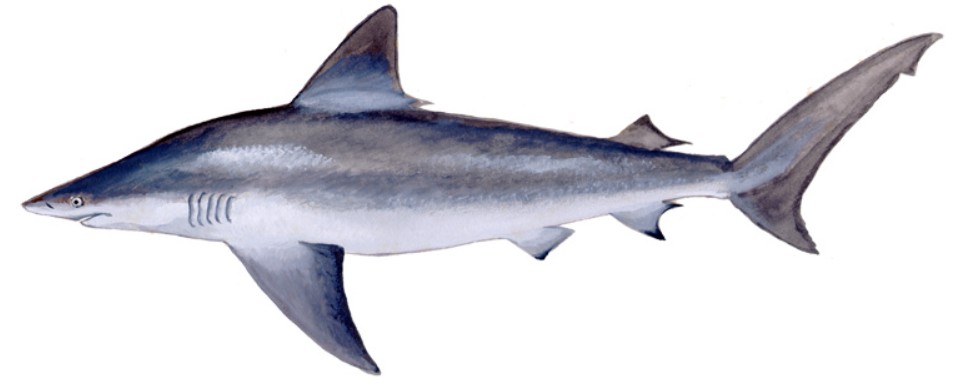
In the Delaware Bay and offshore Atlantic waters, the Mid-Atlantic Fishery Management Council (which includes representation from DNREC Division of Fish and Wildlife) established EFH areas that support a wide variety of species, including black sea bass, summer flounder, bluefish and squid.
Some areas within the EFH are designated as Habitat Areas of Particular Concern (HAPCs) due to their importance or vulnerability; in this region, HAPCs have been identified for sandbar sharks, sand tiger sharks and summer flounder.
Protecting these critical areas helps ensure sustainable fisheries for future generations.
Spatial Extent: Essential Fish Habitat and Habitat Areas of Particular Concern occur throughout the Delaware Bay and Atlantic Ocean.
Temporal Pattern: Year round
Learn more about essential fish habitat in the Baseline Characterization of Uses and Resources Final Report
To protect the critically endangered North Atlantic right whale, special zones along the Atlantic coast, called Seasonal Management Areas, Slow Zones, and Dynamic Management Areas, are established during migration periods.
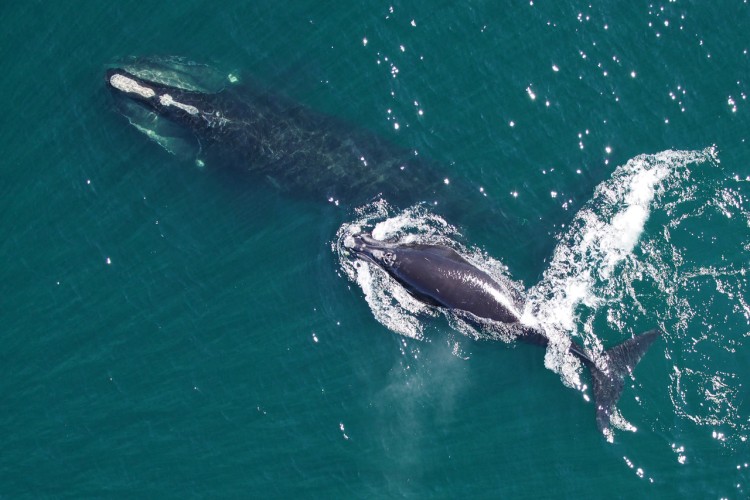
These areas help reduce the risk of ship strikes and entanglement in fishing gear, two major threats to the whales’ survival.
Scientists monitor whale movements and update protective measures regularly, using data from the North Atlantic Right Whale Consortium and visual and acoustic triggers.
NOAA issues voluntary vessel speed reduction zones to alert mariners when whales are nearby. These ongoing efforts aim to reduce human impacts and support the recovery of this endangered species.
Spatial Extent: A Seasonal Management Area is located at the entrance to the Delaware Bay.
Temporal Pattern: November 1 – April 30
Learn more about whale management in the Baseline Characterization of Uses and Resources Final Report
Related Topics: activity guide, atlantic ocean, bay, climate coastal energy, coastal management, coastal programs, conservation, delaware bay, marine resources, ocean, planning
Delaware's Governor
State Agencies
Elected Officials
General Assembly
Delaware Courts
State Employees
Cities & Towns
Delaware State Code
State Regulations
Business First Steps
Phone Directory
Locations Directory
Public Meetings
Voting & Elections
Transparency
Health Insurance
Tax Center
Personal Income Tax
Privacy Policy
Weather & Travel
Contact Us
Corporations
Franchise Tax
Gross Receipts Tax
Withholding Tax
Delaware Topics
Help Center
Mobile Apps
E-mail / Text Alerts
Social Media


Built by the Government Information Center
©MMXXVI Delaware.gov