DNREC Menu

Activities associated with marine minerals are foundational elements of Delaware’s blue economy and environment. Sand and dredging support coastal resilience by replenishing beaches and maintaining navigable waterways critical for commerce and recreation. These activities also help protect coastal communities from erosion and storm impacts. While no other minerals, including oil, gas and sulfur, are currently being explored or mined off Delaware’s coast, the resource potential underscores the importance of balanced planning to protect marine ecosystems while considering future economic opportunities.
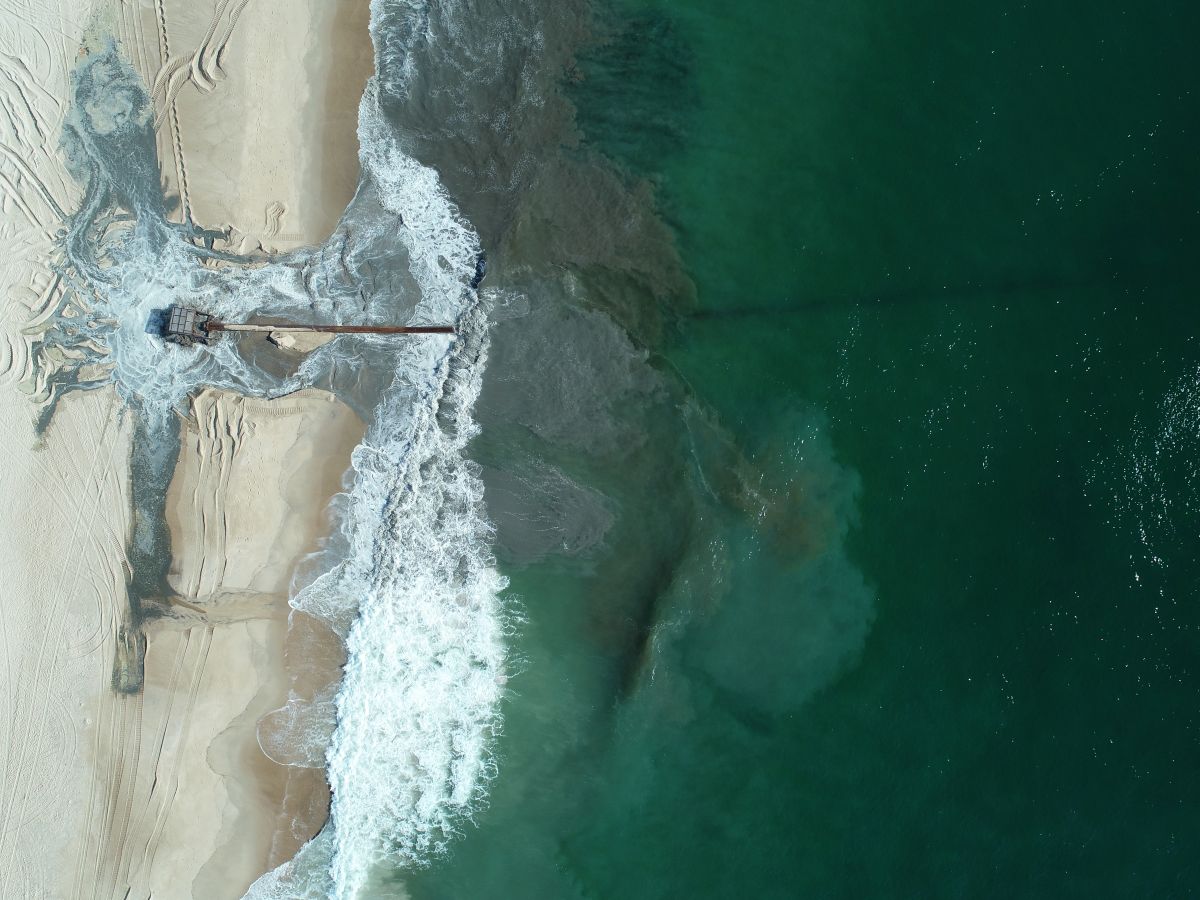
Marine mineral extraction involves removing resources like sand, gravel, and shell resources from the ocean floor for use in construction, beach restoration and coastal protection.
In Delaware, sand is dredged from designated offshore borrow areas to support beach nourishment projects that help prevent storm damage and support tourism.
These activities are regulated by agencies such as the Bureau of Ocean Energy Management (BOEM), the U.S. Army Corps of Engineers, and DNREC to ensure a balanced use of the resource.
Spatial Extent: Submerged lands owned by the state are eligible for lease for mineral exploration and exploitation. Offshore borrow areas occur in the Atlantic Ocean. The following beaches have, at some point, been replenished by DNREC and USACE: Pickering Beach, Kitts Hummock, Bowers Beach, South Bowers, Slaughter Beach, Broadkill Beach, Lewes Beach, Cape Shores, Rehoboth Beach, Dewey Beach, Delaware Seashore State Park (near Indian River Inlet), Bethany Beach, South Bethany and Fenwick Island.
Temporal Pattern: Mineral extraction is year-round but may be subject to specific regulatory environmental windows to minimize impacts on benthic species in the area.
Learn more about mineral resources in the Baseline Characterization of Uses and Resources Final Report
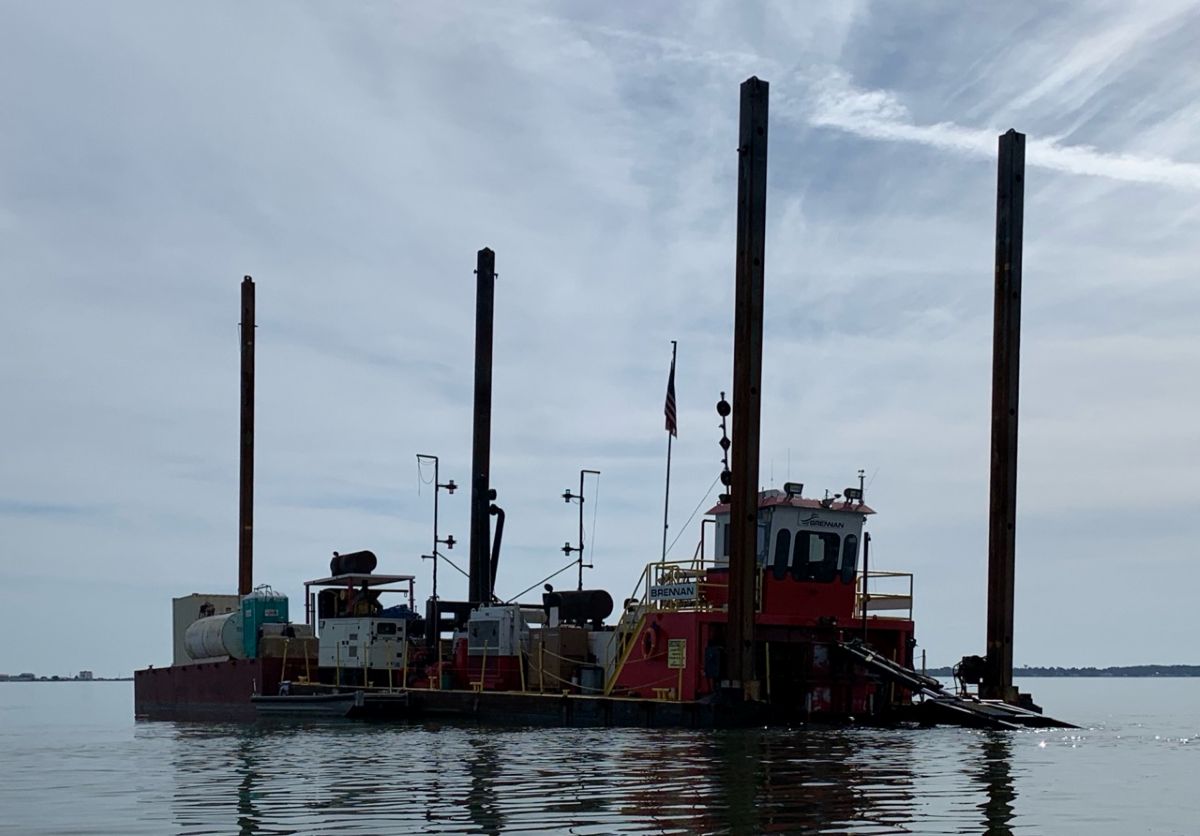
Navigation dredging removes sediment from waterways to keep navigation channels safe and open for boats and shipping. This process supports Delaware’s ports, trade, and maritime travel, and is carried out using specialized equipment, with the sediment often used in restoration projects or placed at designated disposal sites.
The DNREC Shoreline and Waterway Management Section manages 27 navigable channels in the state and works with federal partners, such as the U.S. Army Corps of Engineers, on dredging and waterway management.
Disposal of dredged materials is regulated to protect the environment, with both active and deactivated ocean disposal sites located within the Planning Area.
Spatial Extent: Delaware Bay and Atlantic Ocean
Temporal Pattern: October to March
Learn more in the Baseline Characterization of Uses and Resources Final Report (Dredging, Page 13 and Disposal, Page 37)
Offshore oil and gas development is the process of exploring for and extracting petroleum and natural gas from beneath the ocean floor. It typically involves drilling wells from platforms or ships and transporting the resources to shore via pipelines or tankers.
Oil and gas reserves may exist on the Outer Continental Shelf, but no active drilling or leases currently exist. Past exploration in the region included wells that are now plugged and abandoned.
In 2018, Delaware passed a law prohibiting offshore drilling in its coastal and territorial waters. This law also prevents the state from permitting any infrastructure related to offshore drilling, reinforcing Delaware’s commitment to protecting its coastal environment.
Spatial Extent: Atlantic Ocean
Temporal Pattern: N/A
Learn more about offshore oil and gas in the Baseline Characterization of Uses and Resources Final Report
Related Topics: activity guide, atlantic ocean, bay, climate coastal energy, coastal management, coastal programs, delaware bay, economy, marine resources, ocean, planning
Delaware's Governor
State Agencies
Elected Officials
General Assembly
Delaware Courts
State Employees
Cities & Towns
Delaware State Code
State Regulations
Business First Steps
Phone Directory
Locations Directory
Public Meetings
Voting & Elections
Transparency
Health Insurance
Tax Center
Personal Income Tax
Privacy Policy
Weather & Travel
Contact Us
Corporations
Franchise Tax
Gross Receipts Tax
Withholding Tax
Delaware Topics
Help Center
Mobile Apps
E-mail / Text Alerts
Social Media


Built by the Government Information Center
©MMXXVI Delaware.gov