DNREC Menu

Delaware’s Species of Greatest Conservation Need (SGCN) and their habitats face numerous issues that may adversely affect them and compromise their status in the state. Some issues are global or national in scale, while others may be regional, statewide, or local. Identifying issues affecting Delaware’s SGCN and habitats is an important to develop effective conservation actions. Once identified, issues can be addressed through actions that the Delaware Department of Natural Resources and Environmental Control (DNREC) Division of Fish and Wildlife (DFW) and its partners have developed throughout the Delaware Wildlife Action Plan (DEWAP) process. The previous two sections identified Delaware’s SGCN (Element 1) and their habitats (Element 2); this section addresses the issues affecting these important conservation targets (Element 3).
All State Wildlife Action Plans (WAPs) are required to identify the issues that may adversely affect SGCN and their habitats. The words issue and threat are used in this document as umbrella terms referring to all aspects of the process by which human actions or natural events may jeopardize fish and wildlife species and their habitats. Issues may be species-specific, affecting a species by a direct action or through indirect impacts by limitation of a particular habitat condition or limiting factor. Issues also include threats that stress fish and wildlife species and habitats, and management challenges such as data deficiencies or resource deficiencies for a particular species or habitat.
The DEWAP uses the Conservation Measures Partnership threat classification system (Salafsky et al. 2008) to describe and present issues in a consistent way, as recommended by the Northeast Lexicon and Synthesis (Crisfield and NEFWDTC 2022; Terwilliger Consulting, Inc. and NEFWDTC 2023).
All fish and wildlife are impacted by human activities in some way. Some species have taken advantage of the conditions found in developed areas; alien and invasive species such as European Starling, Rock Pigeon, Tree-of-heaven, and many others, have thrived. A few opportunistic native species, such as the Common Nighthawk, Chimney Swift, and Peregrine Falcon, have found surrogate habitats in urban areas as natural habitats have diminished. Delaware’s wildlife populations are vulnerable to multiple threats associated with human activities, and the SGCN list identifies the most vulnerable.
There is no comprehensive assessment of conservation issues across the northeastern region. However, numerous threats to fish, wildlife, and their habitats have been identified by the northeastern states as part of their individual WAPs. After the completion of the 2015 plans, a synthesis of the 13 northeastern states and the District of Columbia SWAPS (TCI and NEFWDTC 2017) illustrated that the threats shared by most states, affected the greatest number of species and habitats, and were cited most frequently in SWAPs were:
From 2007 to 2023, the top threats have remained largely consistent, although their relative ranks have shifted (Terwilliger Consulting Inc. and NEFWDTC 2023).
Conservation issues, including threats or stressors, are human actions that adversely impact wildlife, native plants and natural communities, and the ecological processes that sustain them. Issues in Delaware are grouped and condensed for species suites, habitat associations, or broader taxa applicability. Information about how Issues were are identified can be found in the Review, Revision and Working Together section of the DEWAP, but the general distribution of issues can be seen in the figures below, and discussed at length in this section.
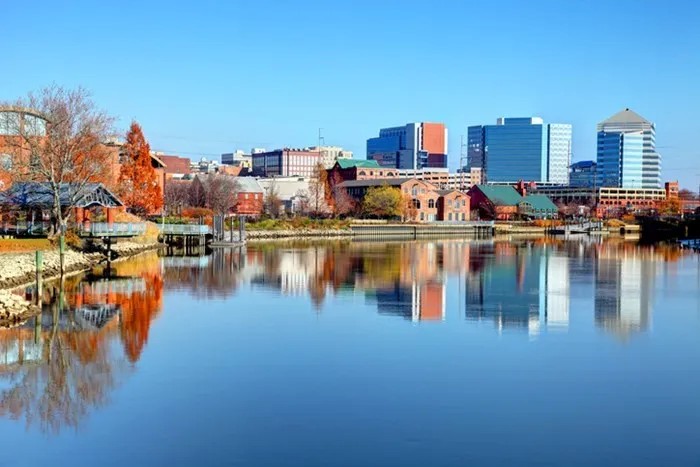
Most Delaware SGCN depend, to some extent, on lands facing habitat loss and fragmentation from residential and commercial development.
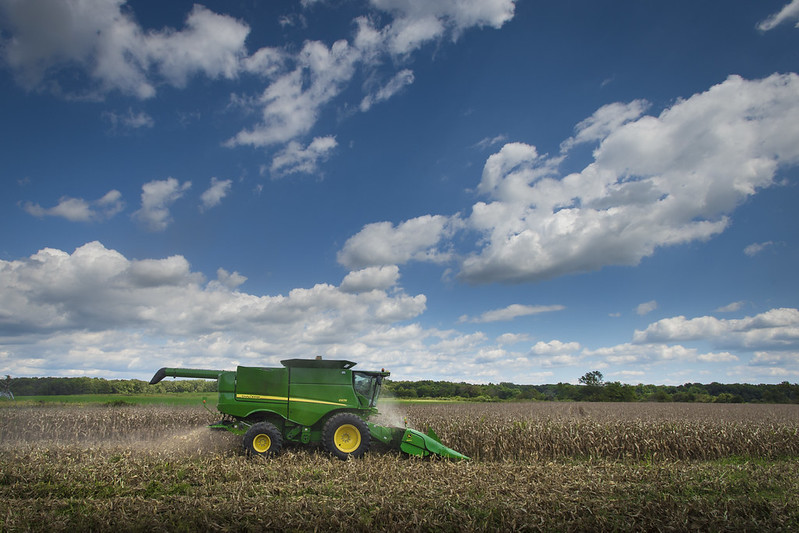
Agriculture is an important part of Delaware’s history, culture and economy. Some agricultural practices, however, can be detrimental to wildlife and reduce available habitat.

Some of the largest direct threats from energy production in Delaware are associated with cooling water intakes and discharges (e.g., from power plants), pollution events and other causes.
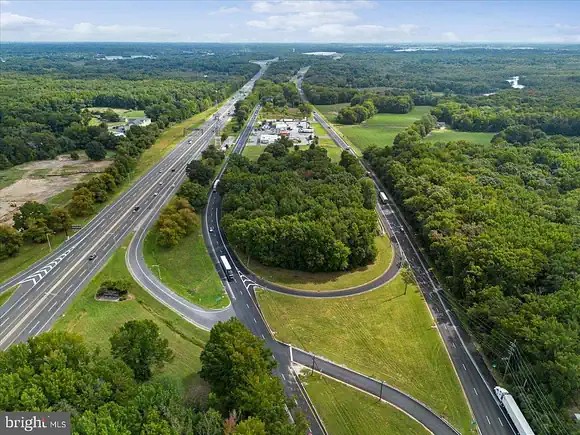
Roads and other transportation corridors represent major sources of pollutant load, and they can be barriers to dispersal for many species, fragmenting habitat and leading to genetic isolation of local populations.
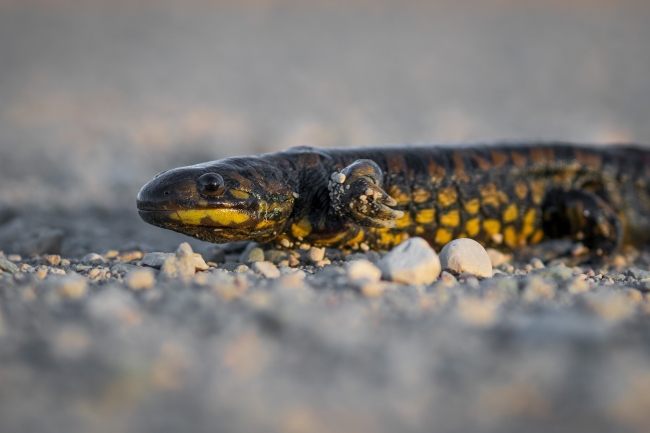
Deliberate and unintentional harvesting, persecution or control of specific species, and unregulated and overabundance consumptive use of biological resources all constitute potential significant threats to Delaware’s wildlife and plants.
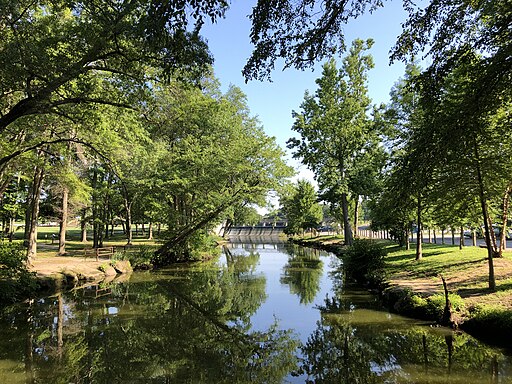
Natural system modifications are defined as threats from actions that convert or degrade habitat in service of “managing” natural systems, often to improve human welfare
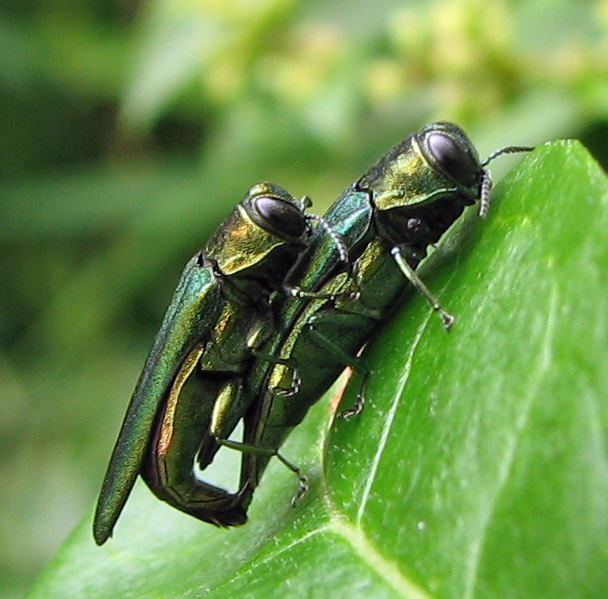
The spread of invasive species, and problematic native species, poses a significant threat to SGCN through disease spread, habitat exclusion, direct mortality and more.

Pollution, in the form of runoff, sewage, pesticides, herbicides and excess energy have variable and highly impactful effects on Delaware’s plants and wildlife.

Climate change is a major threat to fish and wildlife habitats, populations, and assemblages by affecting ecosystems as distributions of animals and plants change, altering the timing of natural events and modifying community composition and structure.

Although not direct threats, gaps in information and lack of appropriate conservation planning are considered issues that call for important actions to address conservation of SGCN and key habitats because of the importance of having accurate information to respond appropriately and meaningfully to impending threats.
Related Topics: action plan, conservation, draft, fish and wildlife, habitat, plan, species, wildlife
Delaware's Governor
State Agencies
Elected Officials
General Assembly
Delaware Courts
State Employees
Cities & Towns
Delaware State Code
State Regulations
Business First Steps
Phone Directory
Locations Directory
Public Meetings
Voting & Elections
Transparency
Health Insurance
Tax Center
Personal Income Tax
Privacy Policy
Weather & Travel
Contact Us
Corporations
Franchise Tax
Gross Receipts Tax
Withholding Tax
Delaware Topics
Help Center
Mobile Apps
E-mail / Text Alerts
Social Media


Built by the Government Information Center
©MMXXVI Delaware.gov