DNREC Menu
The North American Waterbird Conservation Plan, a project of the Waterbird Conservation for the Americas Initiative (www.waterbirdconservation.org), assessed the abundance and distribution of 210 waterbird species in North America and found that one-third of colonial nesting waterbirds are at risk of serious population declines. Eleven pelagic seabirds are imperiled, while seven wading birds and 36 pelagic and coastal seabirds are of high conservation concern. Only 17% of 166 colonial waterbird species are exhibiting apparent or biologically significant population increases, while another 15% of these species are lacking information to estimate population trends (Kushlan et al. 2002).
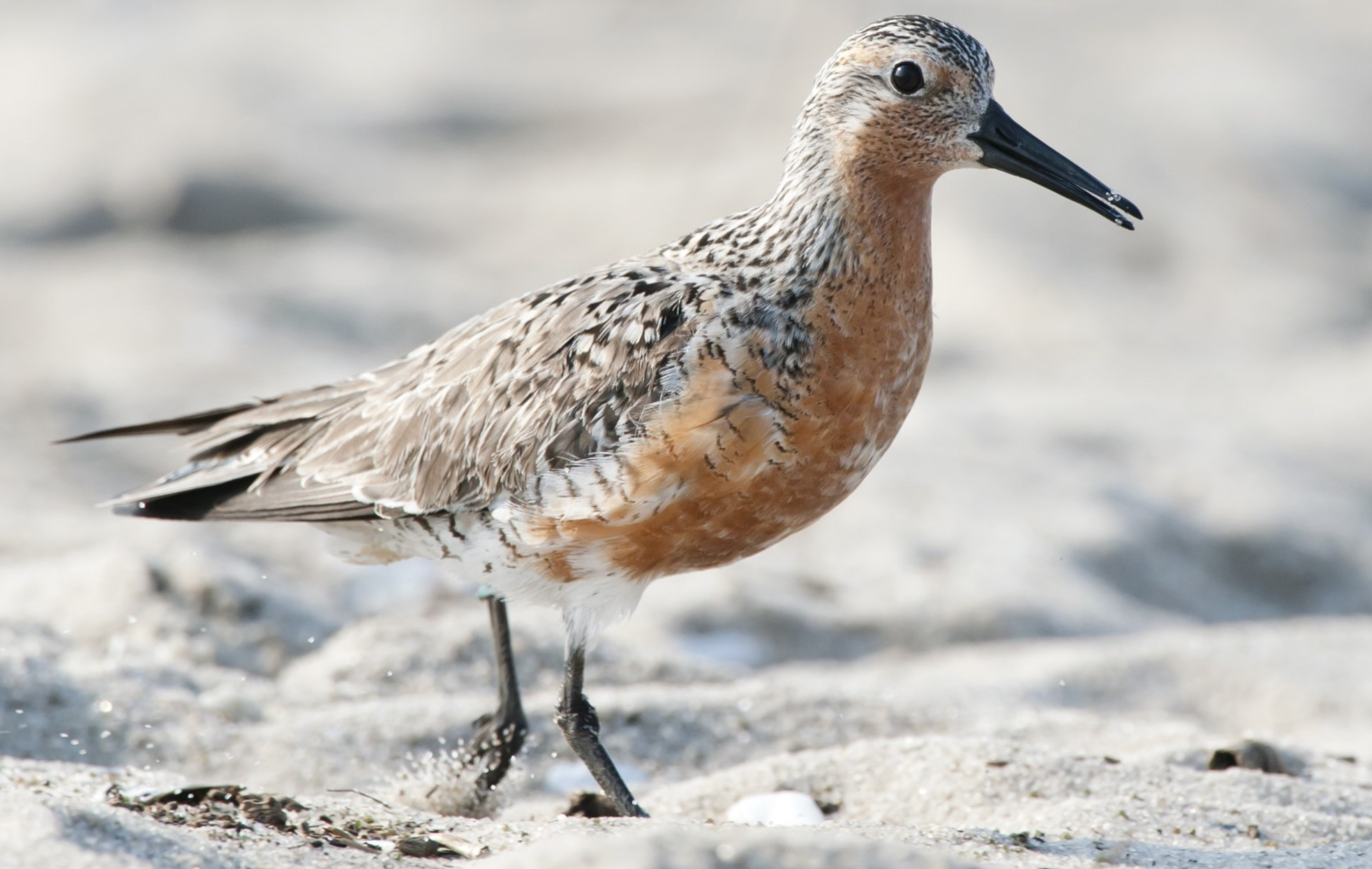
Nineteen species of migratory shorebirds were identified as SGCN in Delaware.
| Common Name | Scientific Name | Tier |
|---|---|---|
| Buff-breasted Sandpiper | Calidris subruficollis | Tier 1 |
| Dunlin | Calidris alpina | Tier 1 |
| Greater Yellowlegs | Tringa melanoleuca | Tier 1 |
| Hudsonian Godwit | Limosa haemastica | Tier 1 |
| Lesser Yellowlegs | Tringa flavipes | Tier 1 |
| Ruddy Turnstone | Arenaria interpres | Tier 1 |
| Rufa Red Knot | Calidris canutus rufa | Tier 1 |
| Sanderling | Calidris alba | Tier 1 |
| Semipalmated Sandpiper | Calidris pusilla | Tier 1 |
| Short-billed Dowitcher | Limnodromus griseus | Tier 1 |
| American Avocet | Recurvirostra americana | Tier 2 |
| Black-bellied Plover | Pluvialis squatarola | Tier 2 |
| Long-billed Dowitcher | Limnodromus scolopaceus | Tier 2 |
| Marbled Godwit | Limosa fedoa | Tier 2 |
| Whimbrel | Numenius phaeopus | Tier 2 |
| White-rumped Sandpiper | Calidris fuscicollis | Tier 2 |
| American Golden-plover | Pluvialis dominica | Tier 3 |
| Pectoral Sandpiper | Calidris melanotos | Tier 3 |
| Wilson's Phalarope | Phalaropus tricolor | Tier 3 |
Based on the 2025 State of the Birds report from the US Committee of the North American Bird Conservation Initiative (NABCI), 19 of the 28 shorebird species found in North America have declined since 1980, with all but one of these species experiencing increasing loss in recent years, for a total of 33% declines since 1980 (NABCI 2025; Smith et al 2023). Several of these species breed in Delaware, but many more disproportionately rely on the Delaware Bay during migration.
The Delaware Bay hosts one of the largest concentrations of migrating shorebirds in the Western Hemisphere and was the first designated critical shorebird site by the Western Hemisphere Shorebird Reserve Network (WHSRN) (Myers et al. 1987). Delaware Bay is the most important spring stopover site for Semipalmated Sandpiper (Calidris pusilla), Ruddy Turnstone (Arenaria interpres), Sanderling (Calidris alba), and Red Knot (Calidris canutus). The rufa subspecies of Red Knot has been the focus of regional conservation measures and was listed as threatened under the ESA a decade ago (USFWS 2014). In Delaware Bay, tide cycles have great influence on the distribution of shorebirds in beach and marsh environments. Factors that threaten this globally important site include Horseshoe Crab overharvest, direct development, human disturbance, and effect of toxic accidents (Clark et al. 1993).
In the listing rule for rufa Red Knot, Delaware Bay data was featured heavily as it represents the most consistent and long-term data available for this species. In the period between 2005 and listing in 2014, peak counts of Red Knot in the Delaware Bay were about 70% lower than peak counts in the 1980’s baseline surveys (USFWS 2014). Ongoing investigation of this species’ status in the Delaware Bay and other parts of its range have illustrated that threats to this species persist, even as the primary causes of declines in the early 2000’s, the overharvest of Horseshoe Crabs and subsequent decreased food availability, have been reduced (ASMFC 2024; NJDEP 2025a, NJDEP 2025b; USFWS 2020). In one analysis of trends in the 28 shorebird species found in North America during fall migration, Red Knots were found to have experienced the greatest known percent decline in population between 1980 and 2019, indicating the need for continued recovery efforts and study (Smith et. al. 2023). In recent years, the estimated total stopover population as calculated using marked bird resighting and ratio data and rates throughout the season, has dipped below 40,000 but remained stable, with large overlaps in confidence intervals as determined by the population model (Lyons 2024). Aerial surveys, single-day continuous surveys by plane around the full Delaware Bay coast, have shown variable results from year to year due to the nature of the survey type, but the three-year moving average indicates that the abundance of birds coming through the Bay is somewhat stable, but may have declined in recent years compared to 2010’s gains (NJDEP et al. 2025).
In 1974, Manomet Bird Observatory initiated the International Shorebird Survey (ISS), which was the first attempt to survey shorebird populations by focusing on migratory stopover sites. In 1986, Delaware Bay became the first Western Hemisphere Shorebird Reserve Network (WHSRN) Site of Hemispheric Importance for migrating shorebirds. Additionally, recognition of the need for more systematic surveys of shorebirds to effectively track populations led to the development of the United States Shorebird Conservation Plan and the Program for Regional and International Shorebird Monitoring (PRISM). These efforts are designed to estimate breeding population sizes and trends, spatial distribution and abundance at stopover sites, and to assess habitat use patterns for 72 species of shorebirds nesting in North America (Bart et al. 2005). More importantly, results from this research can be used to develop effective conservation strategies and action plans to help stabilize shorebird populations.
The Northern Atlantic Regional Shorebird Plan (Clark and Niles 2001) was produced at the regional level from the U.S. Shorebird Conservation Plan, developed with the purpose of creating conservation goals, identifying critical habitat, and promoting education and outreach programs to facilitate shorebird conservation. Several shorebird plans have also been developed that provide species-specific conservation actions including those for the American Oystercatcher (Schulte et al. 2007) and red knot (Niles et al. 2010; USFWS 2023).
The DFW runs the Delaware Shorebird Project. This program works to study and mitigate threats to the state’s shorebirds. Since 1997, the project team has conducted research and monitoring on populations and health of migratory shorebirds while coordinating with an international network that directs shorebird habitat protection and management plans.
Even though coastal habitats are regulated by the Delaware Coastal Management Program (DCMP) through the Coastal Zone Management Act of 1972, dredging projects, development, human disturbance, and rising sea levels threaten prime shorebird habitat. Delaware shorebirds need protection, as do the few remaining coastal habitats that can support them.
Five species of beach-nesting birds were identified as SGCN in Delaware.
| Common Name | Scientific Name | Tier |
|---|---|---|
| American Oystercatcher | Haematopus palliatus | Tier 1 |
| Black Skimmer | Rynchops niger | Tier 1 |
| Common Tern | Sterna hirundo | Tier 1 |
| Least Tern | Sternula antillarum | Tier 1 |
| Piping Plover | Charadrius melodus | Tier 1 |
Annual surveys are presently conducted by DFW for colonial nesting birds (e.g., egrets, gulls, terns), American Oystercatcher, and Piping Plover. The Piping Plover, which was listed as threatened under the federal Endangered Species Act (ESA) in 1986, has been managed by DNREC since 1990 under an agreement between DNREC and the USFWS and subsequent species management plan. Piping Plover nesting areas at Cape Henlopen State Park are closed annually to the public to protect the birds from disturbance during their March to September nesting season. An additional beach closure at Fowler Beach, Prime Hook National Wildlife Refuge was established in 2017 and continued annually from March to September. In 2016, Fowler Beach, newly restored after damage caused by Superstorm Sandy, attracted its first nesting plover pair. Pair counts increased in subsequent seasons, with a peak of 22 pairs in 2023, representing the majority of Delaware’s breeding Piping Plover population. Closures at these beaches, which include feeding habitat, nesting areas, and other management actions, have been successful, increasing the number of Piping Plover nesting pairs in Delaware from a low of two pairs to a high of thirty-one pairs and productivity that has met or exceeded the recovery goal of 1.5 fledglings per pair (USFWS 1996) five out of the last ten seasons.
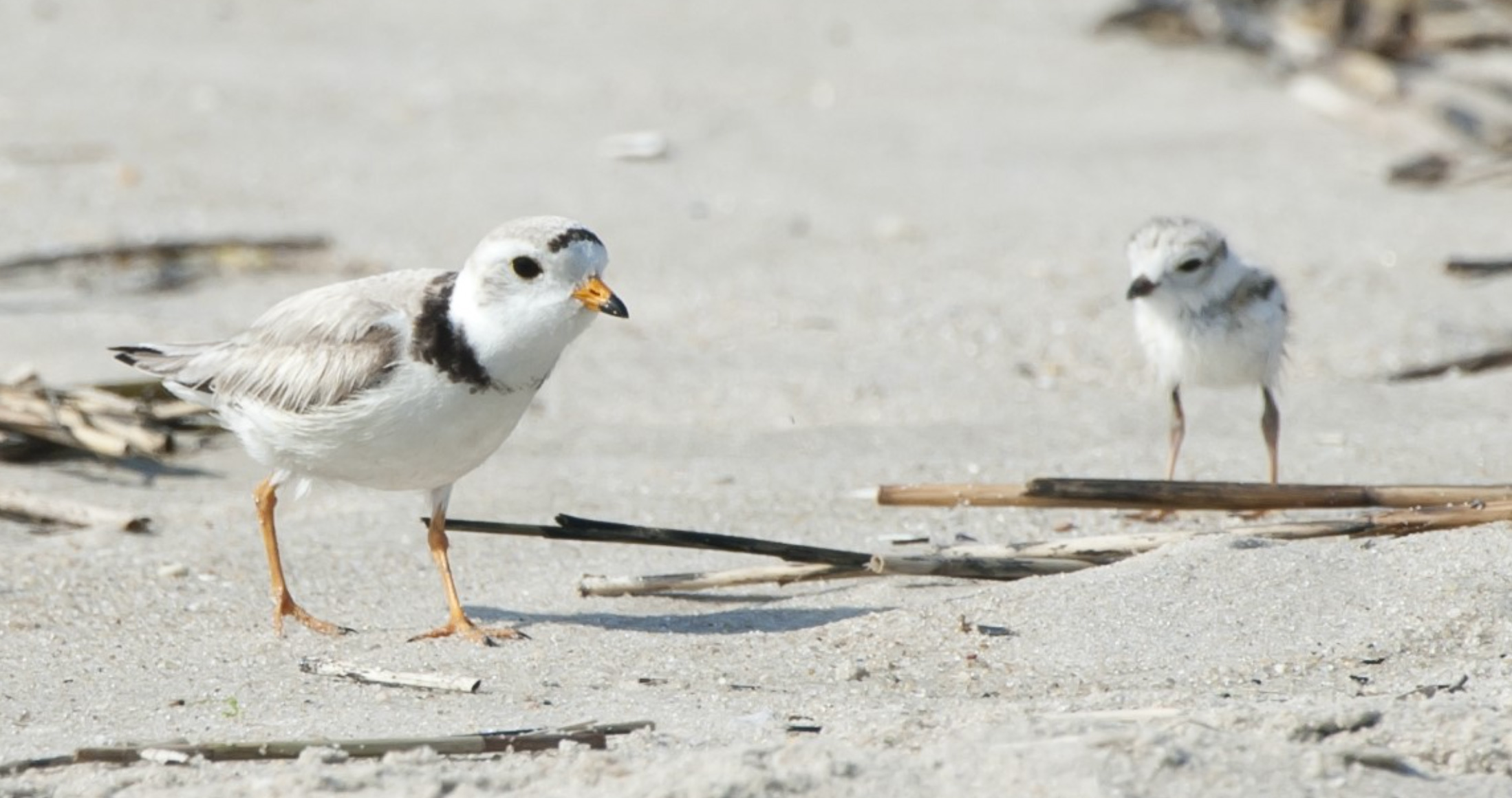
Historically, beach and dune habitats of Delaware also support several other specialist species, including Least Tern (Sterna antillarum), Common Tern (Sterna hirundo), American Oystercatcher (Haematopus palliatus), and Black Skimmer (Rhyncops niger) although Black Skimmer has not nested in recent years, and common tern only nest in the Inland Bays. As with the Piping Plover, the remaining populations of these species depend heavily upon active protection and management.
In 2001, the American Oystercatcher was identified in the U.S. Shorebird Conservation Plan (Brown et al. 2001) as a species warranting special attention because of its small and declining population. As a result, the American Oystercatcher Working Group was formed to devise and implement a regional research, monitoring, and conservation strategy for the oystercatcher along the Atlantic and (to a lesser extent) Gulf Coasts of the United States.
Twenty Four species of colonial waterbirds were identified as SGCN in Delaware.
| Common Name | Scientific Name | Tier |
|---|---|---|
| Black-crowned Night-heron | Nycticorax nycticorax | Tier 1 |
| Cattle Egret | Bubulcus ibis | Tier 1 |
| Forster's Tern | Sterna forsteri | Tier 1 |
| Glossy Ibis | Plegadis falcinellus | Tier 1 |
| Snowy Egret | Egretta thula | Tier 1 |
| Tricolored Heron | Egretta tricolor | Tier 1 |
| Yellow-crowned Night-heron | Nyctanassa violacea | Tier 1 |
| Double-crested Cormorant | Nannopterum auritum | Tier 2 |
| Great Black-backed Gull | Larus marinus | Tier 2 |
| Great Egret | Ardea alba | Tier 2 |
| Herring Gull | Larus smithsonianus | Tier 2 |
| Laughing Gull | Leucophaeus atricilla | Tier 2 |
| Little Blue Heron | Egretta caerulea | Tier 2 |
| Great Blue Heron | Ardea herodias | Tier 3 |
| Common Name | Scientific Name | Tier |
|---|---|---|
| Double-crested Cormorant | Nannopterum auritum | Tier 2 |
| Common Name | Scientific Name | Tier |
|---|---|---|
| White Ibis | Eudocimus albus | Assessment Priority |
| Black-crowned Night-heron | Nycticorax nycticorax | Tier 1 |
| Cattle Egret | Bubulcus ibis | Tier 1 |
| Glossy Ibis | Plegadis falcinellus | Tier 1 |
| Snowy Egret | Egretta thula | Tier 1 |
| Tricolored Heron | Egretta tricolor | Tier 1 |
| Yellow-crowned Night-heron | Nyctanassa violacea | Tier 1 |
| Great Egret | Ardea alba | Tier 2 |
| Little Blue Heron | Egretta caerulea | Tier 2 |
| Great Blue Heron | Ardea herodias | Tier 3 |
One mile northeast of Delaware City, the 310-acre Pea Patch Island hosts a nationally significant breeding colony for nine species of herons and ibis. Pea Patch Island is an ideal nesting ground for these birds because of the types and arrangement of trees on the island, and its proximity to the rich food sources in the coastal marshes and agricultural areas of Delaware and New Jersey. On the island, both mixed hardwoods and the Phragmites marsh are utilized for nesting, depending on the species. This colony is the only known breeding location in the state for little blue heron and cattle egret, and one of the largest heron rookeries on the Atlantic coast north of Florida.
While some of the nine species may be found nesting in other, smaller rookeries throughout the region, Pea Patch Island is the only site known to support all these species. The species nesting at Pea Patch includes the Great Blue Heron (Ardea herodias), Great Egret (Ardea alba), Snowy Egret (Egretta thula), Little Blue Heron (Egretta caerulea), Cattle Egret (Bubulcus ibis), Black-crowned Night-heron (Nycticorax nycticorax), Tricolored Heron (Egretta tricolor), Yellow-crowned Night-heron (Nyctanassa violaceus), and Glossy Ibis (Plegadis falcinellus).
In 1993, the heronry hosted 12,000 pairs of nesting herons. The island’s location also posed some significant issues for the health of the heron nesting colony: among them, rapidly expanding suburban development and changes to habitat quality, agricultural pesticides and industrial contaminants, human disturbance, and oil spills and other industrial accidents. Researchers in the 1990s noticed issues with heron health (including lesions and low nestling survival) and had documented declines in the numbers of nesting birds (around 6,000 pairs by 1997). Because of its interconnectedness with the river and surrounding areas, a single cause of the declining health of the colony could not be identified.
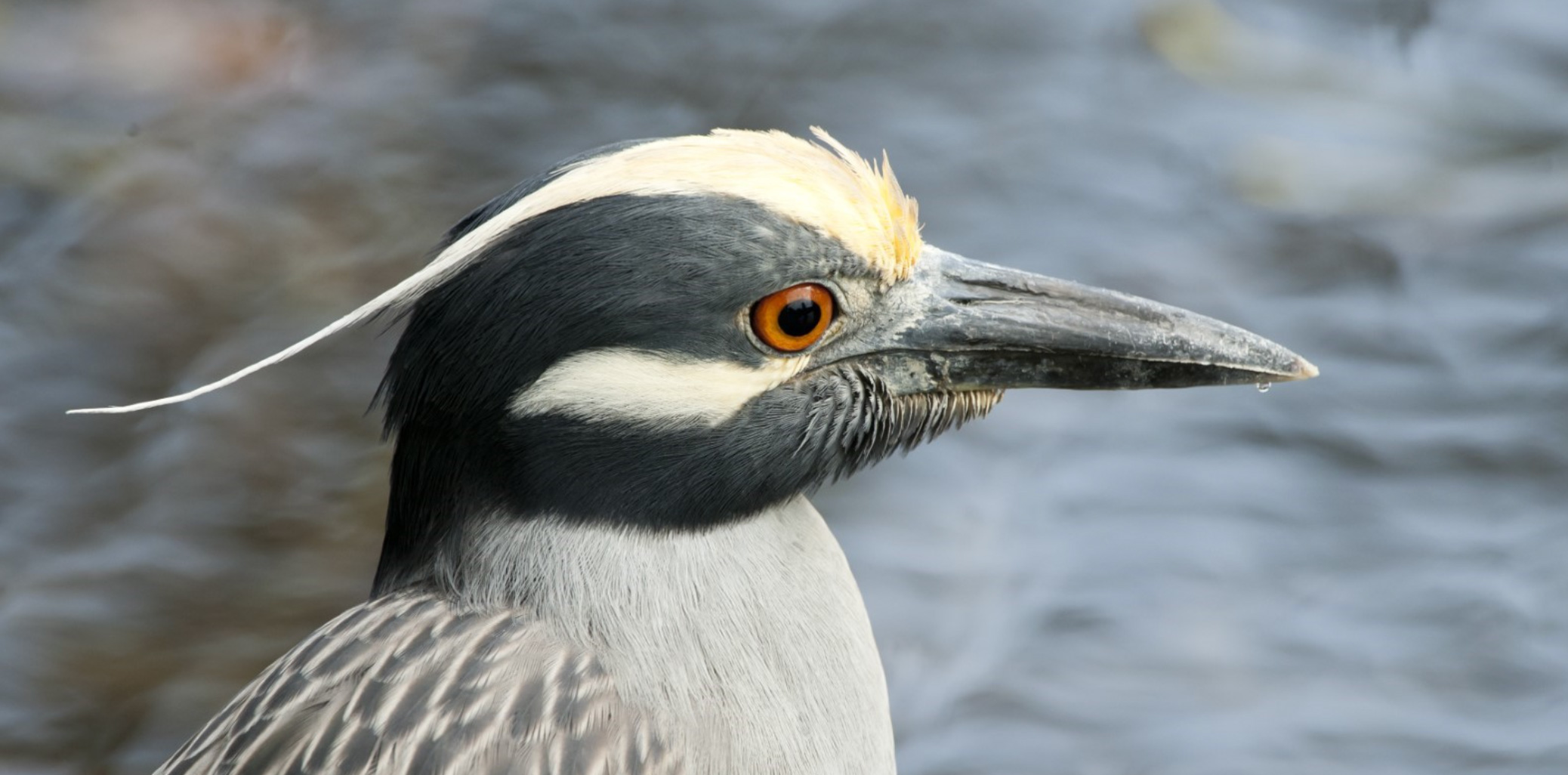
The Pea Patch Island Heronry Region Special Area Management Plan was developed to address the diverse range and complex nature of the issues affecting the health of the Pea Patch Island Heronry and its surrounding habitats. The development of this plan involved stakeholders from state, local, and federal government agencies, universities, industry, citizens, and not-for profit organizations. Participants in the planning process developed 28 strategies through a consensus building process. These strategies were finalized in the 1998 Pea Patch Island Heronry Region Special Area Management Plan. An Implementation team was formed when the planning process was complete; their job was to coordinate with each other, prioritize strategies, and find resources to implement the actions outlined within the strategies. By June of 2001, 21 of the 28 strategies had been implemented.
Today, the Pea Patch Island Heronry continues to be an active and important regional heron nesting colony, but populations of nesting birds remain significantly lower than the 12,000 pairs documented in 1993. Nevertheless, the diversity of species continues to make Pea Patch Island one of the most unique and important bird nesting areas on the East Coast. The DNREC Division of Parks and Recreation (DPR) continues to manage Pea Patch Island Heronry as a Nature Preserve and entry to the area is prohibited. DPR conducts monthly flight surveys, with the assistance of volunteers, during the nesting season to monitor and track population numbers.
| Common Name | Scientific Name | Tier |
|---|---|---|
| Forster's Tern | Sterna forsteri | Tier 1 |
| Great Black-backed Gull | Larus marinus | Tier 2 |
| Herring Gull | Larus smithsonianus | Tier 2 |
| Laughing Gull | Leucophaeus atricilla | Tier 2 |
Colonial saltmarsh birds’ nest on the ground or in low vegetation of the marsh platform and are sensitive to disturbance and predation, especially by mammals. With their temporally coordinated and spatially condensed breeding strategy, colonial nesting bird populations are highly sensitive to changing conditions during their nesting process, whether that be the introduction of predators or competitors or the degradation of their habitat due to sea level rise, storm events, or changing coastal dynamics (Kushlan 1993). Primary conservation activities for these species include consistent monitoring and efforts to reduce disturbance. In Delaware, monitoring for these species, such as Common Tern, Snowy Egret, Tricolored Heron, Forster’s Tern (Sterna forsteri), and others, has increased in frequency, regularity, and detail in recent years, improving the baseline data to better understand the status and trends for these species. Delaware has also participated in the development of regional data collection standards and reporting methods which will allow for analyses across state boundaries and better inform management decisions for these dynamic species and their breeding and foraging habitats.
Three species of saltmarsh-nesting gulls and terns have historically nested on the marsh islands of Rehoboth Bay, while a fourth, the Great Black-backed Gull (Larus marinus), began to expand its breeding range southward into Delaware in the late 1980s. The expansion of this large and aggressive gull into Inland Bays colonies may have potential negative effects on the other species in this group, as was the case in mixed species colonies in Maine (Ellis and Good 2006). In recent years, Laughing Gulls (Leucophaeus atricilla) have been the most abundant species nesting on marsh islands in Rehoboth Bay, often near species such as Forster’s Tern, Snowy Egret, or Tricolored Heron. Direct predation and displacement of other species by gulls is of continuing concern in these habitats, in addition to breeding habitat degradation due to erosion and sea level rise.
Fifthteen species of waterfowl were identified as SGCN in Delaware.
The United States Fish and Wildlife Service Waterfowl Population Status Report (USFWS 2024) includes the most current breeding population and productivity information available for waterfowl in North America and is a result of cooperative efforts by the USFWS, the Canadian Wildlife Service (CWS), various state and provincial conservation agencies, and private conservation organizations.
The North American Waterfowl Management Plan (NAWMP), first published in 1986, and most recently updated in 2024, aims to protect continental habitat conditions that could sustain and improve waterfowl populations (NAWAMP Partnership 2024). The plan calls for the protection of North America’s remaining wetlands and restoration of waterfowl populations through habitat protection, restoration, and enhancement activities.
The Atlantic Coast Joint Venture (ACJV), a partnership of government agencies and conservation partners, has designated four Waterfowl Focus Areas in Delaware in the ACJV Waterfowl Implementation Plan (2005): Bayshore, Blackbird, Inland Bays, and Nanticoke. This plan steps down continental and regional waterfowl population and habitat goals from the NAWMP 2024 update to the ACJV area. The ACJV facilitates implementation of these goals through the Delaware Bay Partnership (New Jersey, Pennsylvania, and Delaware) and the Chesapeake Bay Waterfowl Working Group (Maryland, Delaware, Virginia, and West Virginia). Species-specific efforts are also being conducted, including the Black Duck Working Group and the Salt Marsh Bird Conservation Plan.
| Common Name | Scientific Name | Tier |
|---|---|---|
| Long-tailed Duck | Clangula hyemalis | Tier 1 |
| Black Scoter | Melanitta americana | Tier 2 |
| Common Eider | Somateria mollissima | Tier 2 |
| Surf Scoter | Melanitta perspicillata | Tier 2 |
| White-winged Scoter | Melanitta deglandi | Tier 3 |
The five Delaware SGCN regularly occur in varying numbers off the Atlantic Coast of Delaware during migration and winter. In recent years, a periodic sea watch has been conducted by the Delaware Ornithological Society to help assess the abundance of these and other species during migration.
The Atlantic Flyway initiated the Sea Duck Photo Survey in 2018 to better understand age ratios of Black Scoter, White-winged Scoter, Surf Scoter, and Long-tailed Duck. Conducted annually since 2018, the survey gives researchers insight into annual fluctuations of juveniles recruiting into the population, as this has not been studied in sea ducks.
The Sea Duck Joint Venture is a conservation partnership under the NAWMP. Its goal is to increase knowledge and management of sea ducks so as to more effectively manage them. Their strategic plan from 2022-2031 lists the following priorities for sea duck research and conservation action:
The Sea Duck Joint Venture also lists several Sea Duck Key Habitat Sites, including the Delaware Bay. The Delaware Bay has a rich benthic community that supports all five Delaware SGCN, especially Black Scoter and Surf Scoter.
| Common Name | Scientific Name | Tier |
|---|---|---|
| Black-bellied Whistling-duck | Dendrocygna autumnalis | Assessment Priority |
| Gadwall | Mareca strepera | Assessment Priority |
| Northern Shoveler | Spatula clypeata | Assessment Priority |
| Canada Goose | Branta canadensis | Tier 1 |
| American Wigeon | Mareca americana | Tier 2 |
| Blue-winged Teal | Spatula discors | Tier 2 |
| Hooded Merganser | Lophodytes cucullatus | Tier 2 |
| Mallard | Anas platyrhynchos | Tier 2 |
| Northern Pintail | Anas acuta | Tier 2 |
| Tundra Swan | Cygnus columbianus | Tier 2 |
Several species of breeding freshwater ducks in Delaware, including American Black Ducks, Gadwall, and Blue-winged Teal, have experienced apparent declines in breeding success in the state based on comparison of data from the first to second atlas periods (DFW unpublished data).
DFW has conducted annual aerial waterfowl surveys throughout the state since 1974. These surveys evaluate long-term trends in duck and goose populations. Flights are usually made in mid-October, mid-November, mid-December, and the second week in January. The January flight is part of the Midwinter Waterfowl Survey, a coast-wide effort to survey waterfowl throughout the Atlantic Flyway at approximately the same time. The Midwinter Waterfowl Survey in particular, in combination with the Tundra Swan and Atlantic Brant productivity surveys, collects data on population size, age ratios, and young per adult for those species and help set season dates and bag limits. The state surveys cover the primary waterfowl habitat in Delaware, approximately the eastern half of the state, and are divided into 11 zones. Data are available at Ducks Unlimited (DU), a national conservation organization with a significant presence in Delaware. DU’s Delaware conservation program has restored, enhanced, or conserved 18,415 acres of wetlands and adjacent habitat. The goal of these projects has been to maximize quality and quantity of habitat for migratory and wintering waterfowl.
Eleven species of pelagic Birds were identified as SGCN in Delaware.
| Common Name | Scientific Name | Tier |
|---|---|---|
| Band-rumped Storm-petrel | Hydrobates castro | Tier 1 |
| Sooty Shearwater | Ardenna grisea | Tier 2 |
| Arctic Tern | Sterna paradisaea | Tier 3 |
| Long-tailed Jaeger | Stercorarius longicaudus | Tier 3 |
| Northern Gannet | Morus bassanus | Tier 3 |
| Parasitic Jaeger | Stercorarius parasiticus | Tier 3 |
| Pomarine Jaeger | Stercorarius pomarinus | Tier 3 |
| Red-necked Phalarope | Phalaropus lobatus | Tier 3 |
The offshore waters of Delaware are part of Pelagic Bird Conservation Region (PBCR) 78 (Northeast US Continental Shelf). Nearly 70% of the world’s marine birds have declined since the 1950s, as a direct result of human activity, with several species becoming extinct within the last 150 years, such as the Great Auk. Historically, seabirds were overharvested for feathers and sport causing rapid population crashes of these long lived, slowly reproducing birds. Most species are difficult to assess as they do not nest in state waters and because local populations vary temporally and spatially.
Despite regulatory protections and guidelines, marine birds continue to face an even greater assortment of threats including pollution such as oil spills and marine debris, commercial fisheries which can deplete forage resources and result in incidental bycatch, offshore energy development including natural gas and offshore wind, loss and degradation of nesting colonies particularly due to invasive predator species, and climate change leading to ocean acidification, drastic changes in forage resource availability and timing, and loss of nesting habitat to sea level rise.
Not nearly enough is known about Atlantic seabirds and their vulnerability to several current and emerging threats while in their primary offshore habitats. Data on their pelagic distribution and abundance are critical for monitoring population trends, understanding their basic ecology and role in marine ecosystems, assessing actual or potential impacts from oil spills, fisheries bycatch, and offshore development (shipping, wind generation, gas and mineral exploration), identifying critical marine habitats, and educating the public about marine conservation issues.
The Atlantic Marine Bird Cooperative (AMBC) is an open, collaborative forum for resource managers, research scientists, and other professionals working to conserve marine birds in coastal and offshore ecosystems of Eastern North America. The AMBC applies scientific principles to identify and address research needs and management issues to promote long-term viability of our unique avian community, and partner with other stakeholders to minimize threats to critical coastal and marine habitats on which marine birds depend.
Twenty two species of marsh birds were identified as SGCN in Delaware.
Since many marsh birds are nocturnal or exhibit cryptic behavior, survey data are limited. The publication of the North American Marsh Bird Monitoring Protocol (Conway 2009) and framework for monitoring site selection (Johnson et al. 2009) has greatly improved comparison of recent marsh bird survey data across studies and jurisdictional boundaries. Using the Protocol, tailored to northeast salt marsh birds (Ladin et al. 2020), the Saltmarsh Habitat and Avian Research Program (SHARP) has conducted marsh bird research specifically in the northeastern United States since 2011, and helps to improve the comparison of marsh bird monitoring data for salt marsh birds from Maine to Virginia.
| Common Name | Scientific Name | Tier |
|---|---|---|
| Black-necked Stilt | Himantopus mexicanus | Tier 1 |
| King Rail | Rallus elegans | Tier 1 |
| Pied-billed Grebe | Podilymbus podiceps | Tier 1 |
| American Bittern | Botaurus lentiginosus | Tier 2 |
| Least Bittern | Ixobrychus exilis | Tier 2 |
| Sora | Porzana carolina | Tier 2 |
| Spotted Sandpiper | Actitis macularius | Tier 2 |
| Virginia Rail | Rallus limicola | Tier 2 |
| Common Gallinule | Gallinula galeata | Tier 3 |
The majority of Delaware’s freshwater marsh habitat occurs within coastal impoundments that are highly threatened by sea level rise (SLR), making the outlook for these species in the state uncertain. Several SGCN utilize these freshwater emergent marsh habitats, including American Bittern (Botaurus lentiginosus), King Rail (Rallus elegans), and Least Bittern (Ixobrychus exilis).
| Common Name | Scientific Name | Tier |
|---|---|---|
| American Black Duck | Anas rubripes | Tier 1 |
| Clapper Rail | Rallus crepitans | Tier 1 |
| Coastal Plain Swamp Sparrow | Melospiza georgiana nigrescens | Tier 1 |
| Eastern Black Rail | Laterallus jamaicensis jamaicensis | Tier 1 |
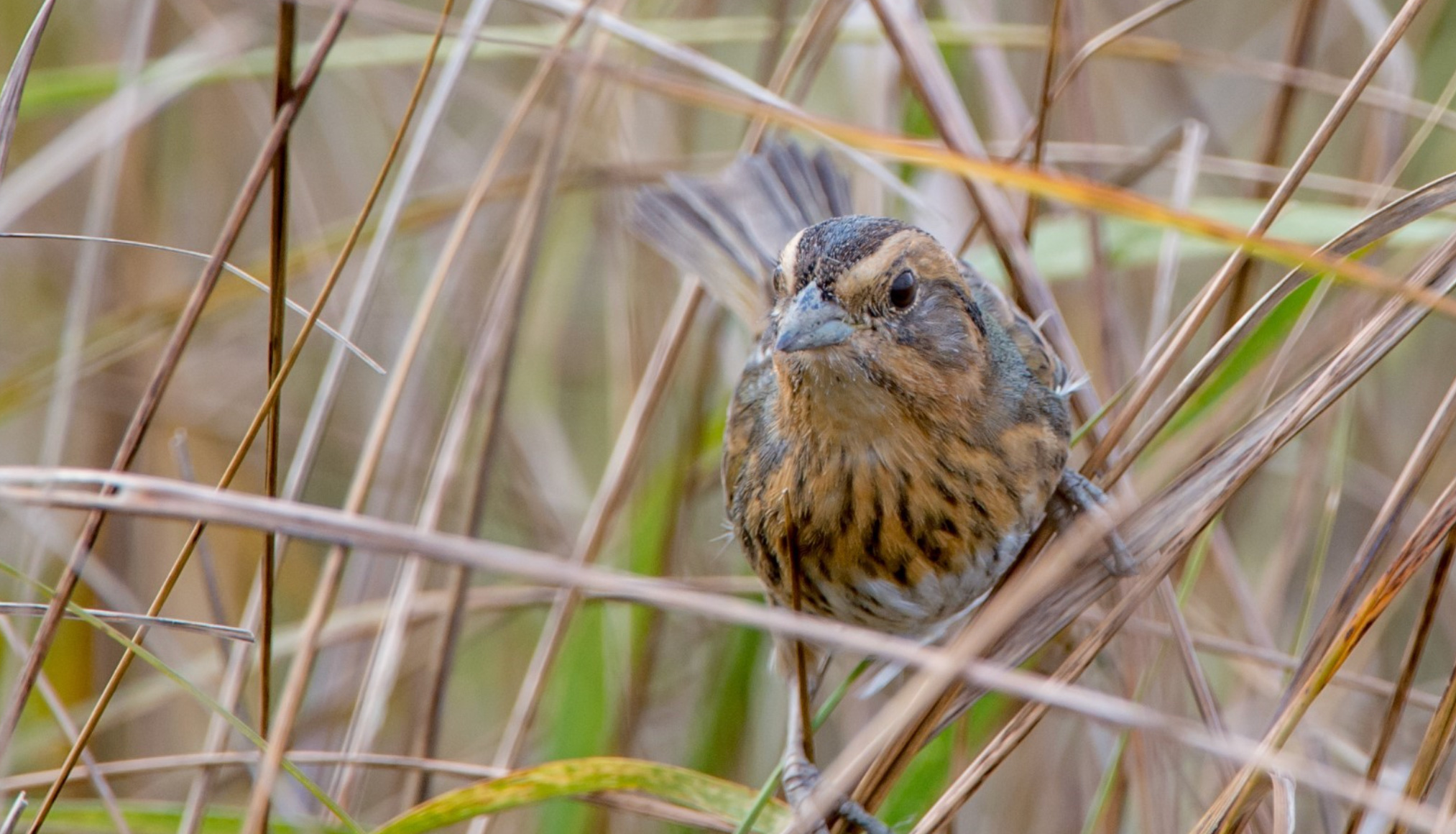
| Nelson's Sparrow | Ammospiza nelsoni | Tier 1 |
| Northern Harrier | Circus hudsonius | Tier 1 |
| Saltmarsh Sparrow | Ammospiza caudacuta | Tier 1 |
| Seaside Sparrow | Ammospiza maritima | Tier 1 |
| Sedge Wren | Cistothorus stellaris | Tier 1 |
| Short-eared Owl | Asio flammeus | Tier 1 |
| Willet | Tringa semipalmata | Tier 1 |
| Barn Owl | Tyto alba | Tier 2 |
| Marsh Wren | Cistothorus palustris | Tier 2 |
Salt marshes are universally considered to be among the most important wildlife habitats in North America, and Delaware’s contribution to the regional distribution and conservation of this habitat is significant. Partners in Flight (PIF) identified maritime marshes as a habitat harboring the some of the largest number of high-priority species in the region. The Saltmarsh Sparrow is considered by PIF to be a Red Watch List species with 94% loss over the last 44 years (Rosenberg et al. 2016). The Saltmarsh Sparrow is listed as a SGCN in all states where it occurs from Maine to Virginia (Shriver et al. 2023).
Bird species inhabiting salt marshes are widely considered to be highly imperiled due to SLR. Delaware is responsible for approximately 14% of the northeastern region population of Clapper Rail, 6% of the northeastern region population Saltmarsh Sparrow, 28% of the northeastern region population of Seaside Sparrow, and 19% of the northeastern region population of Willet (Wiest et al. 2016). Research from SHARP has found that populations of some salt marsh birds are stable, such as Willet and Seaside Sparrow, or declining throughout the northeast, with the saltmarsh sparrow experiencing the steepest decline at 9% per year (Correll et al. 2017).
Eastern Black Rail populations have been declining in the eastern United States for over a century. This decline has resulted in a retraction of its breeding range, an overall reduction in the number of breeding locations within its core range, and a loss of individuals within historic strongholds. Since the 1990’s, populations in the Atlantic coast range of Eastern Black Rail have declined by over 90% (Reynolds 2018). The eastern subspecies of Black Rail was federally listed as threatened in 2020 under the Endangered Species Act (USFWS 2020).
Related Topics: action plan, conservation, draft, fish and wildlife, habitat, plan, species, wildlife
Delaware's Governor
State Agencies
Elected Officials
General Assembly
Delaware Courts
State Employees
Cities & Towns
Delaware State Code
State Regulations
Business First Steps
Phone Directory
Locations Directory
Public Meetings
Voting & Elections
Transparency
Health Insurance
Tax Center
Personal Income Tax
Privacy Policy
Weather & Travel
Contact Us
Corporations
Franchise Tax
Gross Receipts Tax
Withholding Tax
Delaware Topics
Help Center
Mobile Apps
E-mail / Text Alerts
Social Media


Built by the Government Information Center
©MMXXVI Delaware.gov