DNREC Menu
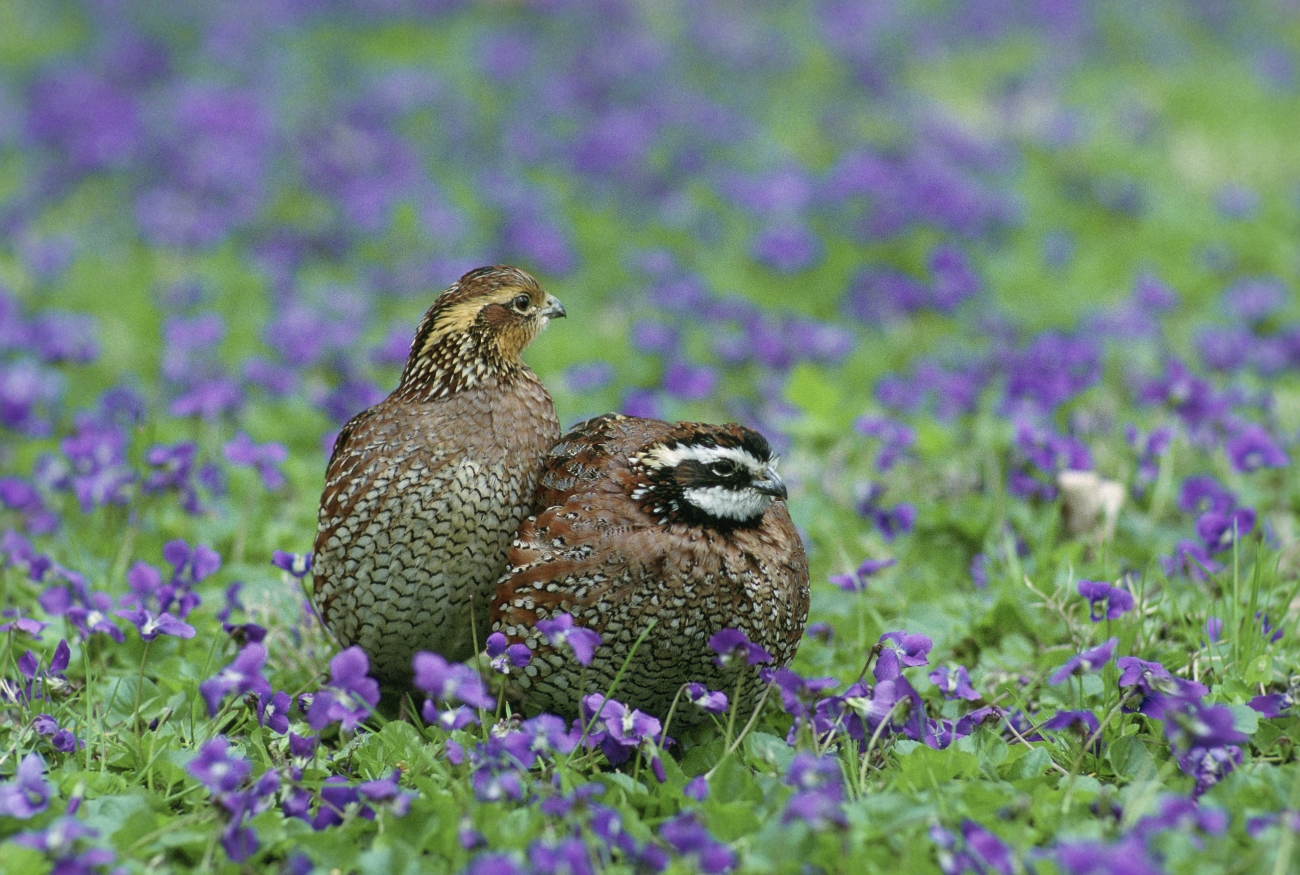
The Delaware State List of Bird Species includes 429 species that have been accepted by the Delaware Bird Records Committee (DBRC) as of 2024. This official state list includes accidental and vagrant species as well as more regularly occurring species. Of these, 153 species are considered SGCN, and 11 are identified as ‘Assessment Priority’. (165 species total)
The Delaware Ornithological Society (DOS) publishes an annual journal, The Delmarva Ornithologist / The Delaware Ornithologist (1964-present), that contains articles related to avian research and observation conducted by members in the region.
National monitoring programs help contribute to knowledge of Delaware’s avifauna, including the annual Christmas Bird Count, coordinated by the National Audubon Society and compiled locally by DOS. There are currently seven Christmas Bird Count circles (plots) in Delaware that provide consistent data on wintering bird populations in the state.
The North American Breeding Bird Survey (BBS) is a cooperative effort between the United States Geological Survey (USGS) and Canadian Wildlife Service. The BBS monitors the status and trends of North American bird populations by collecting data at point counts along randomly established roadside routes. There are currently nine BBS routes in Delaware spanning all three counties.
The first standardized project to document the state’s breeding avifauna occurred from 1983-1987 and resulted in the Birds of Delaware (Hess et al. 2000), which included the results and became the state’s first breeding bird atlas. Results of this effort indicated that at the time of publication four species that historically bred in the state had been extirpated, and 11 other species were not found breeding during the survey period. Twenty-four breeding species had estimated populations of less than 20 pairs, putting them at high risk of future extirpation. Twenty-one breeding birds and 16 migrants or winter visitors were of management concern due to having low or declining populations or being dependent on severely degraded habitat. As a whole, 93 species of Delaware birds were declining.
As a whole, 93 species of Delaware birds were declining.
A second Delaware Breeding Bird Atlas (DEBBA) was conducted from 2008-2012. Publication of the results of this project is underway, and raw occurrence data are available. The Atlas found breeding evidence for 171 total species, 147 of which were confirmed in at least one block (USGS 2015).
Between the two atlas periods (1987-2008), DFW’s Species Conservation and Research Program (SCRP) (formerly Delaware Natural Heritage Program) incorporated breeding bird surveys into a routine inventory of state and federal natural areas. The results from several surveys were published in DNREC publications and in the Delaware Ornithologist.
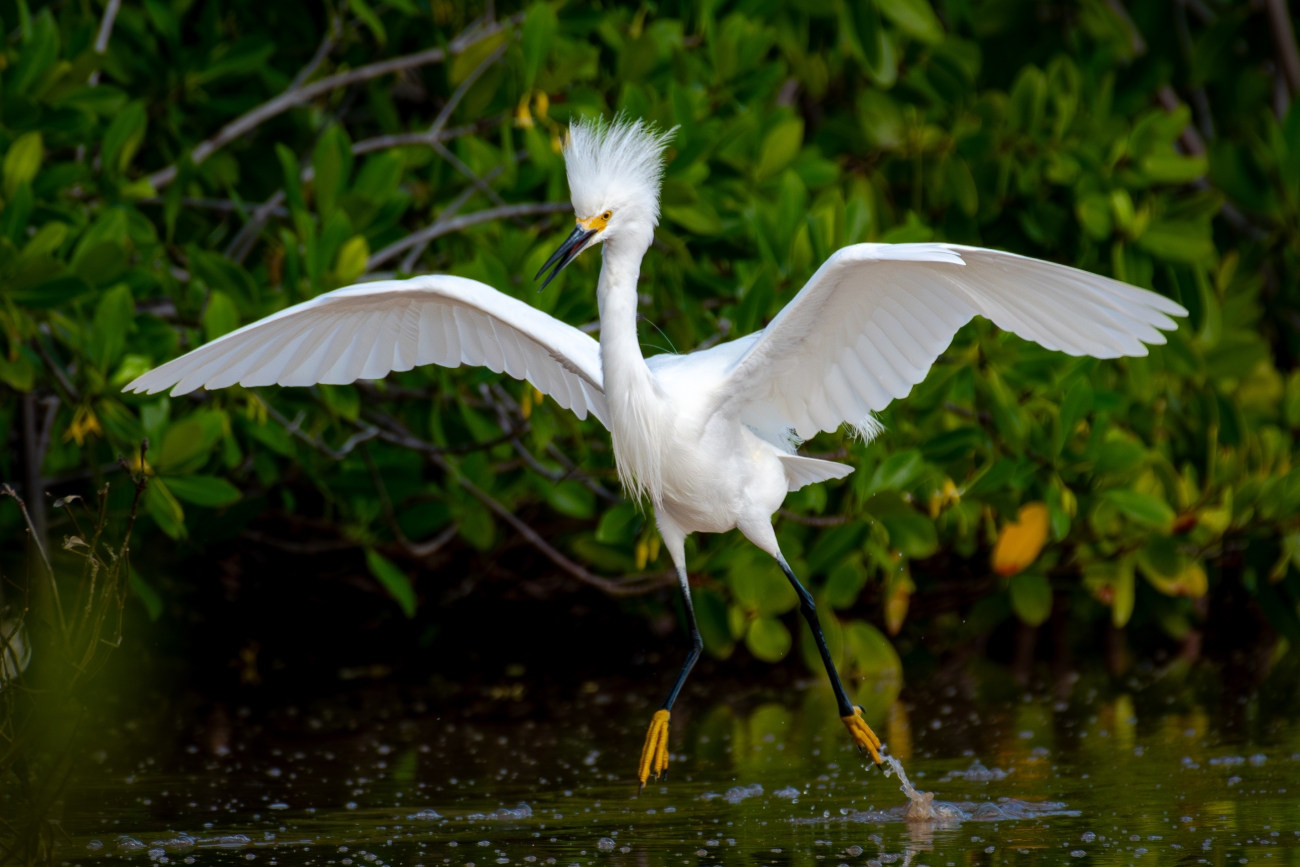
Twenty-eight species of birds were identified as RSGCN in the Northeast. Of these, six species were ranked as “very high” concern and 10 were identified to have “high” responsibility (greater than 50%) for the Northeast (NEFWDTC 2024). Thirty-five of the 28 RSGCN birds occur along the northeastern region’s coast, either in salt marshes, beaches, dunes, or offshore islands. Throughout the Northeast, these habitats have been heavily altered by long-term human activities, including development and stabilization, pollution, marsh filling and draining, pesticide spraying, and recreational use. An additional 42 species were designated as on the RSGCN Watchlist or Proposed to the watchlist.
Important Bird Areas, or IBAs, are sites that provide essential habitat for one or more species of bird. IBAs include sites for breeding, wintering, and/or migrating birds. IBAs may be a few acres or thousands of acres, but usually they are discrete sites that stand out from the surrounding landscape. IBAs may include public or private lands, or both, and they may be protected or unprotected.
| IBA Name | IBA Priority | Acreage |
|---|---|---|
| White Clay Creek State Park | State | 5,001 |
| Red Clay Valley | Continental | 16,888 |
| Delaware Coastal Zone | Global | 270,009 |
| Pea Patch Island | State | 311 |
| Great Cypress Swamp Conservation Area | State | 12,400 |
North American Bird Conservation Initiative (NABCI) Bird Conservation Regions (BCRs) are ecologically distinct regions in North America with similar bird communities, habitats, and resource management issues. Started in 1999, the U.S. NABCI Committee is a coalition of government agencies, private organizations, and bird initiatives in the United States working to ensure the long-term health of North America’s native bird populations. Delaware’s coastal plain is within BCR 30 (New England/Mid-Atlantic Coast), and the Delaware piedmont is within BCR 29 (Piedmont)
The Atlantic Coast Joint Venture (ACJV) is a partnership focused on the conservation of habitat for native birds in the Atlantic Flyway of the United States from Maine south to Puerto Rico. The ACJV includes 17 states and commonwealths and key federal and regional habitat conservation agencies and organizations in the joint venture area.
Regional conservation plans and initiatives for specific bird taxa are discussed within the relevant sections for each group below.
Of the total bird diversity in the state, 155 species have been determined to be SGCN. The process of identifying SGCN is discussed at the end of this section. The 2025 plan employed a similar prioritization process as in 2015, but a review of Subnational Ranks (S Ranks) resulted in the removal of several species.
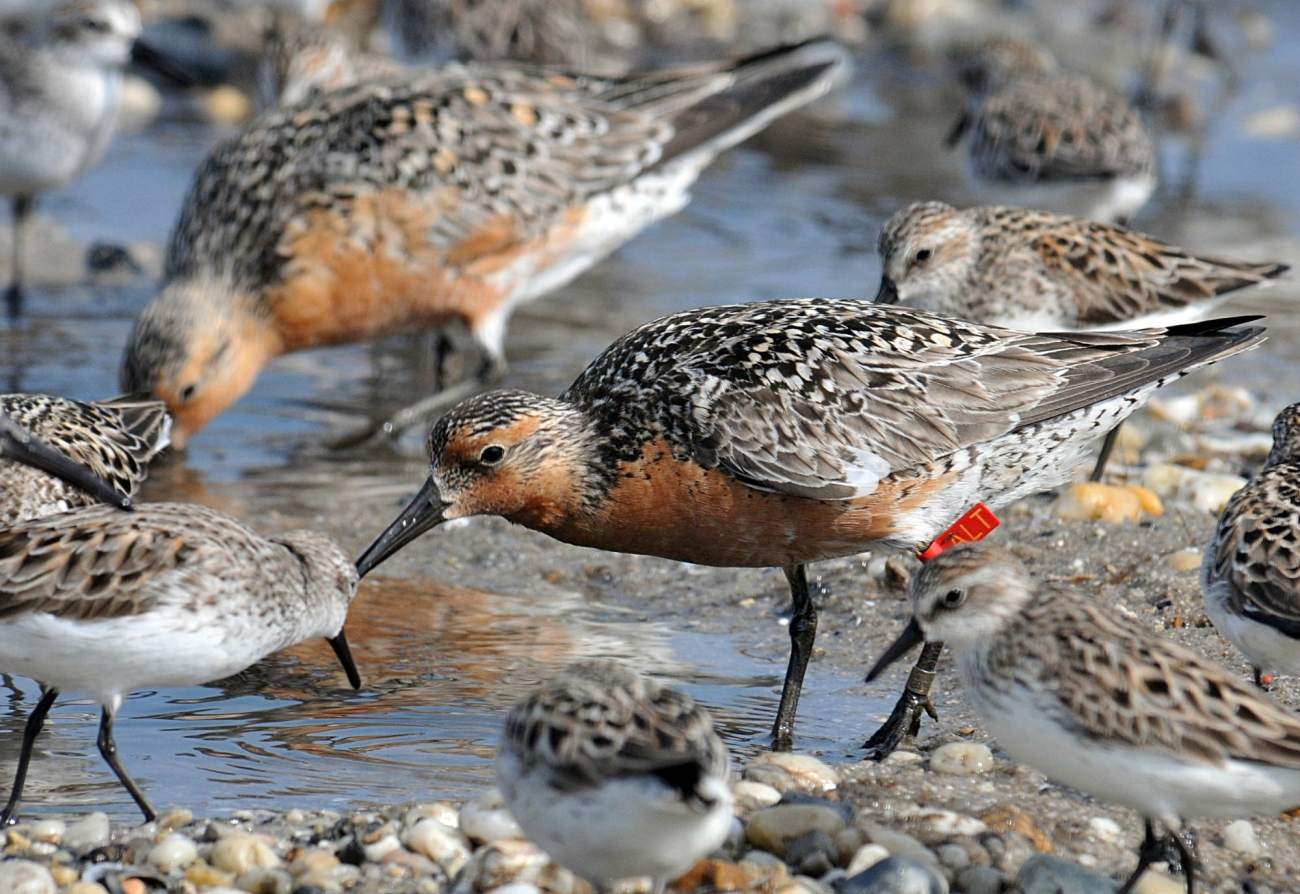
Species that depend on aquatic or wetland habitats for part or all of their life cycle, including waterfowl, shorebirds, wading birds, and marsh birds. Many are tied to Delaware’s extensive coastal and estuarine systems.
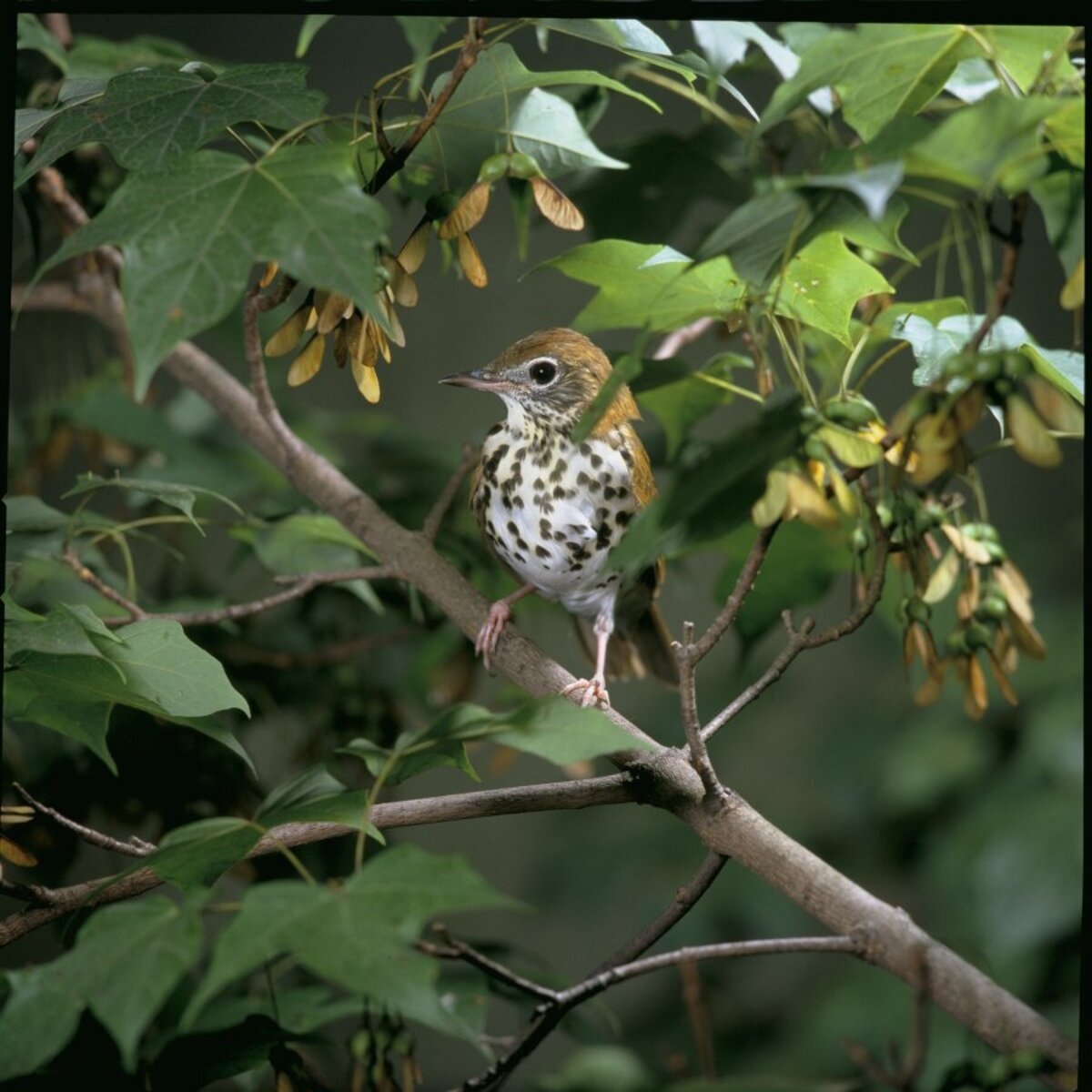
Species that depend primarily on terrestrial habitats, such as forests, shrublands, grasslands, and urban landscapes. This group includes raptors, songbirds, and other birds that nest, forage, and migrate through Delaware’s uplands and inland habitats.
Related Topics: action plan, conservation, draft, fish and wildlife, habitat, plan, species, wildlife
Delaware's Governor
State Agencies
Elected Officials
General Assembly
Delaware Courts
State Employees
Cities & Towns
Delaware State Code
State Regulations
Business First Steps
Phone Directory
Locations Directory
Public Meetings
Voting & Elections
Transparency
Health Insurance
Tax Center
Personal Income Tax
Privacy Policy
Weather & Travel
Contact Us
Corporations
Franchise Tax
Gross Receipts Tax
Withholding Tax
Delaware Topics
Help Center
Mobile Apps
E-mail / Text Alerts
Social Media


Built by the Government Information Center
©MMXXVI Delaware.gov