DNREC Menu
The Delaware Wildlife Action Plan (DEWAP) provides information on the distribution and abundance of species, including those with low or declining populations, that exemplify the diversity and health of Delaware’s fish and wildlife. The DEWAP Revision process began with a review of current national, regional, and statewide information available for the diverse array of Delaware’s fish and wildlife.
This section describes the process to determine and describe the species of greatest conservation need (SCGN) for Delaware. The full list of SGCN can be found in the DEWAP Database online.
Additional sections describe the important habitats for SGCN (Habitats), the threats facing SGCN and habitats (Threats), and conservation actions that can minimize the impact of the threats and support populations of SGCN and their habitats (Conservation Actions).
This Wildlife Action Plan presents a summary of each major taxonomic group (Mammals, Birds, Amphibians, Reptiles, Fish and Invertebrates) focused on each group’s SGCN in Delaware. The number of Delaware’s SGCN are listed by taxonomic group below, followed by descriptions of their tiered SGCN status ranks. A detailed description of the SGCN selection and ranking processes and criteria can be found in the Revision Section.
Total SGCN
Tier 1
Tier 2
Tier 3
Assessment Priority
Extirpated
At the national level, the Association of Fish and Wildlife Agencies (AFWA) identified the need for prioritization of SGCN in the Best Practices for State Wildlife Action Plans (AFWA 2012). The 14 Northeast states and DC further developed this approach by creating a lexicon that provides regionally consistent terms and criteria for SGCN selection and ranking processes (Crisfield and NEFWDTC 2022). Delaware went a step further and developed a more state-specific approach with Tiers. A detailed description of both the SGCN selection and the prioritization processes and criteria are presented in the Process Section. Changes since the 2015 list are also provided (see Update and Revision of Delaware’s Wildlife Species of Greatest Conservation Need List). Criteria for assignment to each tier are detailed in SGCN Prioritization Methods.
The DEWAP assigns Tier 1 to SGCN in the highest need of conservation action. These include the rarest species in the state, species that are highly globally imperiled, and species with regionally important Delaware populations that are also under high threat from climate change.
The DEWAP assigns Tier 2 to SGCN of moderate conservation concern. These include species that have rare to uncommon breeding populations in the state, species with broad distributions that are threatened by climate change, and species for which Delaware has high responsibility within the Northeast region.
The DEWAP assigns Tier 3 to SGCN still relatively common in Delaware but listed as SGCN for various reasons, including documented population declines, high responsibility of the Northeast region for the global population, or continued need for monitoring and/or management. This tier also includes non-breeding species that are uncommon in Delaware.
The DEWAP assigns Assessment Priority to SGCN in need of monitoring efforts to determine their conservation status in Delaware.
The DEWAP assigns Extirpated to SGCN that once occurred in Delaware, but extensive survey effort has found they no longer occur in the state. Extirpated species included as SGCN have some possibility of reintroduction (i.e., suitable habitat may occur in the state and potential source populations may exist).
Few species live strictly within a single state with many species using habitats across multiple states, migrating annually, and using habitats at regional and continental scales. The Northeast Fish and Wildlife Diversity Technical Committee (NEFWDTC) of the Northeast Association of Fish and Wildlife Agencies (NEAFWA), collaborates among multiple states to address conservation needs for regional species.
A comprehensive list of SGCN identified in the 2015 northeastern state Wildlife Action Plans (WAPs) included 4788 species and subspecies, representing a significant percentage of northeastern species in all taxonomic groups. SGCN included in these lists reflect the magnitude of the threats facing fish and wildlife species throughout the Northeast, as well as the commendable efforts of the individual northeastern states to ensure that their WAPs comprehensively covered species in major taxonomic groups.
To determine which state SGCN should receive attention at the regional scale, the NEFWDTC identified regional species of greatest conservation need (RSGCN; NEFWDTC 2024). A total of 17,916 species were considered, and 7,270 were pre-screened for consideration on the RSGCN list. Of these, 382 species were identified as RSGCN. The RSGCN list will be reviewed periodically and evaluate additional taxa. Notable changes to the 2023 RSGCN list include 11 additional invertebrate taxonomic groups, an increase from just two in 2018. The development of the RSGCN list supports findings that many wildlife species in the Northeast are in urgent need of dedicated conservation attention.
Species Considered
Pre-screened
Identified as RSGCN
Regional Responsibility
Major taxonomic groups with the highest percentage of RSGCN in the Northeast include Freshwater Fish (12%), Birds (9%), and Terrestrial Snails (7%). 56% of RSGCN are invertebrates, while the remaining 44% are vertebrates. Of the 382 RSGCN, approximately 50% have high regional responsibility (meaning they are found in 50% or more of northeastern states) and high conservation concern. Additionally, almost 18% of the RSGCN are listed under the Federal Endangered Species Act (ESA) as endangered or threatened, or are candidate species for listing. Freshwater bivalves had the highest percentage of species with federal listing status.
Just over 10% of Delaware’s SGCN are currently included on the RSGCN list, and 10% more are proposed RSGCN or on the RSGCN Watchlist. This means that Delaware must work collaboratively with other states and regional conservation partners to share information, management plans, and even conservation funds to protect these species. Conversely, Delaware may have distinct responsibility for SGCN that are not found on the RSGCN list but are otherwise declining or at risk in the state.
Biodiversity is critical to maintaining ecosystem function. Delaware is home to thousands of animal species, ranging from microscopic marine plankton to Great White Sharks, and from miniscule land insects to large, familiar mammals and birds such as White-tailed Deer and Bald Eagle. The overall number of species that occur in the state remains uncertain, especially since so few of the invertebrate groups have been well surveyed.
The functional roles played by Delaware’s wildlife species are also highly diverse, including groups with critical roles like pollinators, insectivorous predators, decomposers of wood and plant matter, filter feeders that remove nutrients from water, and foundation species that create structured habitats used by numerous other species.
Analysis of functional diversity often provides insights into ecosystem health that are not available from examination of species diversity alone (Cadotte et al. 2011). Protecting functional diversity should be an important goal of statewide conservation planning, especially since some studies have suggested that this type of diversity may be underrepresented in protected areas (Devictor et al. 2010).
| Taxonomic Group | Total SGCN | Tier 1 SGCN | Tier 2 SGCN | Tier 3 SGCN | Assessment Priority | Extirpated SGCN |
|---|---|---|---|---|---|---|
| Birds | 165 | 53 | 66 | 34 | 11 | 1 |
| Estuarine / Marine Invertebrates | 9 | 2 | 2 | 4 | 1 | 0 |
| Fish | 100 | 44 | 24 | 14 | 18 | 0 |
| Invertebrates | 356 | 138 | 89 | 26 | 98 | 5 |
| Mammals | 26 | 13 | 0 | 2 | 10 | 1 |
| Plants | 326 | 64 | 226 | 15 | 21 | 0 |
| Reptiles and Amphibians | 37 | 18 | 14 | 4 | 1 | 0 |
| Totals | 1019 | 332 | 421 | 99 | 160 | 7 |
Delaware’s fish and wildlife species and their natural histories are well-described in published literature. A literature search was conducted to review the most current and relevant scientific information available on the full array of Delaware’s fish and wildlife. Some important monographic resources include Living Resources of the Delaware Estuary (Dove et al. 1995), Delaware’s Fresh and Brackish Water Fishes (Raasch 1997), The Birds of Delaware (Hess et al. 2000), Reptiles and Amphibians of the Delmarva Peninsula (White and White 2007), and Ecology of Estuarine Fishes: Temperate Waters of the Western North Atlantic (Able and Fahay 2010).
A pervasive problem in biodiversity conservation is a lack of capacity for species identification and research resulting in a lack of biological knowledge of many species.
Delaware Department of Natural Resources and Environmental Control (DNREC) programs, especially the DNREC Division of Fish and Wildlife (DFW)’s Species Conservation & Research Program (SCRP) and Fisheries Section, conduct inventories, monitoring, and research to guide the preservation, conservation, and management of the state’s flora and fauna. These reports, as well as publications produced by academia and industry, contain extremely important, but often difficult to locate, sources of species distribution data. Delaware has a significant volume of this kind of species information. Many studies have been produced in response to the development of Delaware’s Coastal Zone since the 1960s. Much of this literature has been foundational for wildlife studies in Delaware, e.g., Wang and Kernehan (1979).
Museums are also extremely important sources of species information, especially for historical occurrence data. Repositories at the University of Delaware, Delaware Museum of Nature and Science, Claude E. Phillips Herbarium at Delaware State University, American Museum of Natural History, and National Museum of Natural History (Smithsonian) are of particular significance to the knowledge of Delaware’s fish and wildlife.
A pervasive problem in biodiversity conservation is a lack of capacity for species identification and research resulting in a lack of biological knowledge of many species. Often, the more poorly known species are of conservation concern. For example, Bland et al. (2014) found that as many as 64% of terrestrial mammals considered by IUCN to be “Data Deficient” may be at risk of extinction. Delaware’s SGCN list includes an ‘Assessment Priority’ Tier to help highlight the species for which Delaware data is insufficient. Conservation actions have been developed to address these important needs and can be found in the Conservation Actions section.
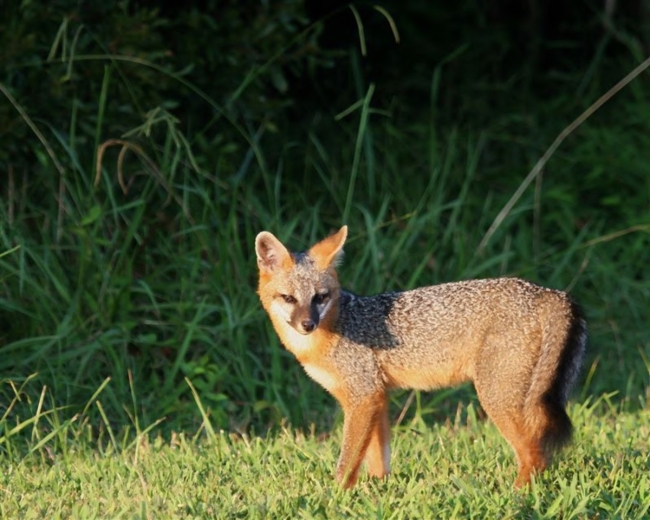
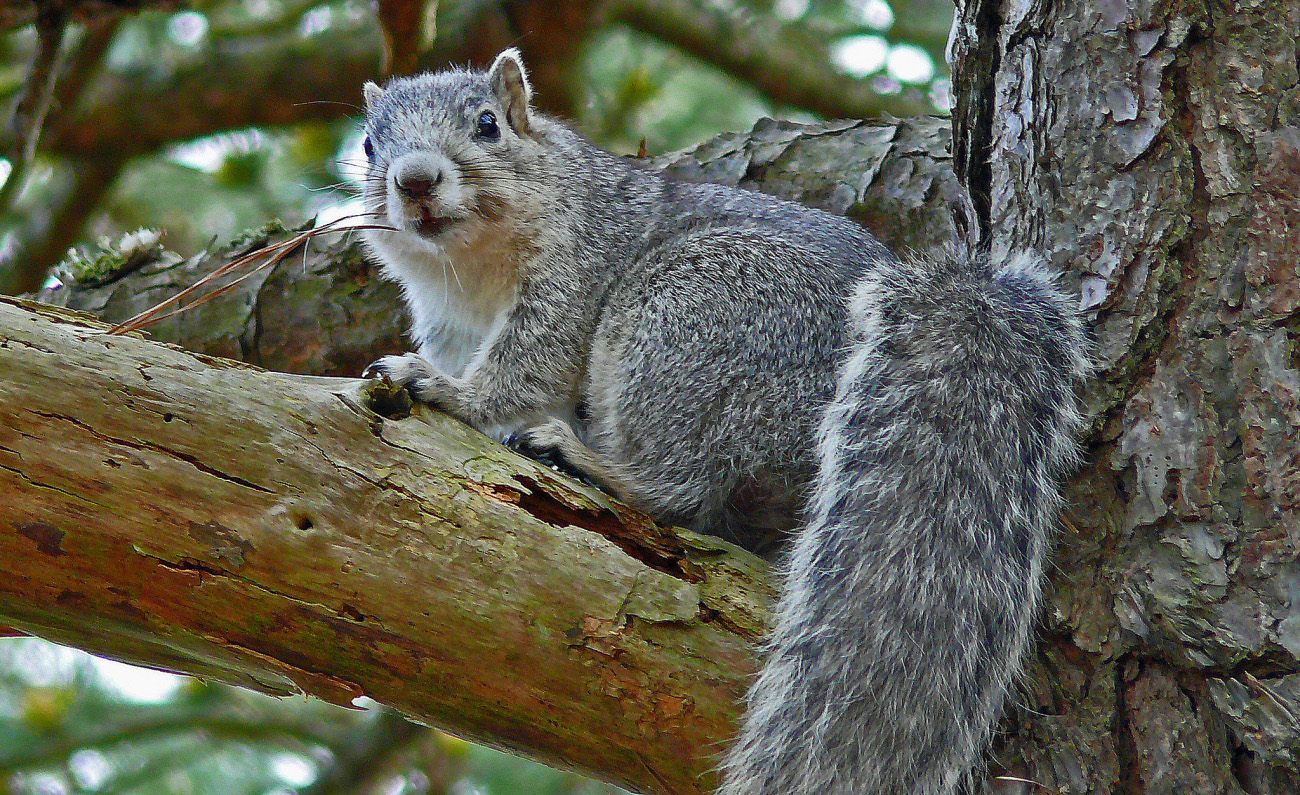
Delaware’s mammals include familiar species like Grey Fox and Blue Whales, as well as rare species of bats and small mammals of conservation concern.
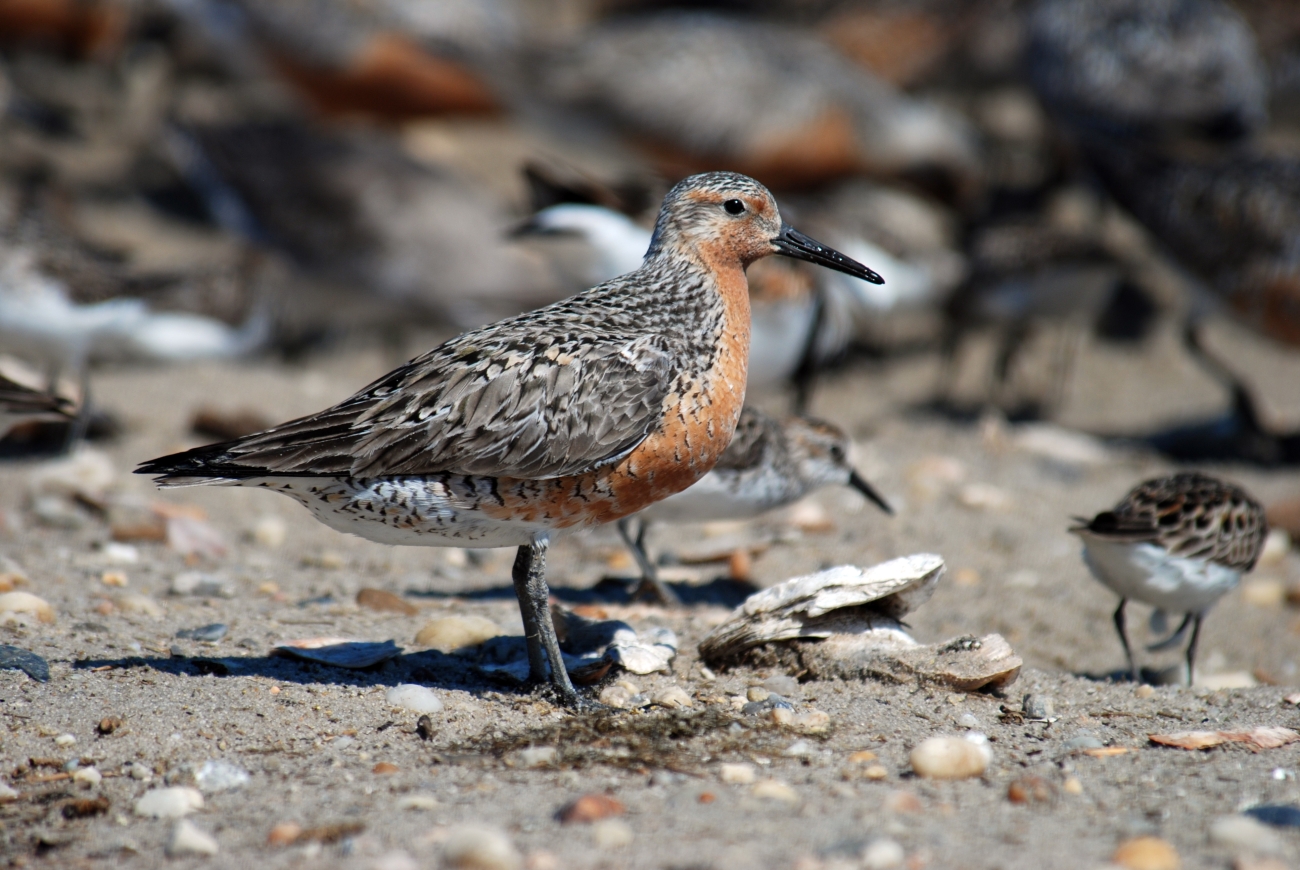
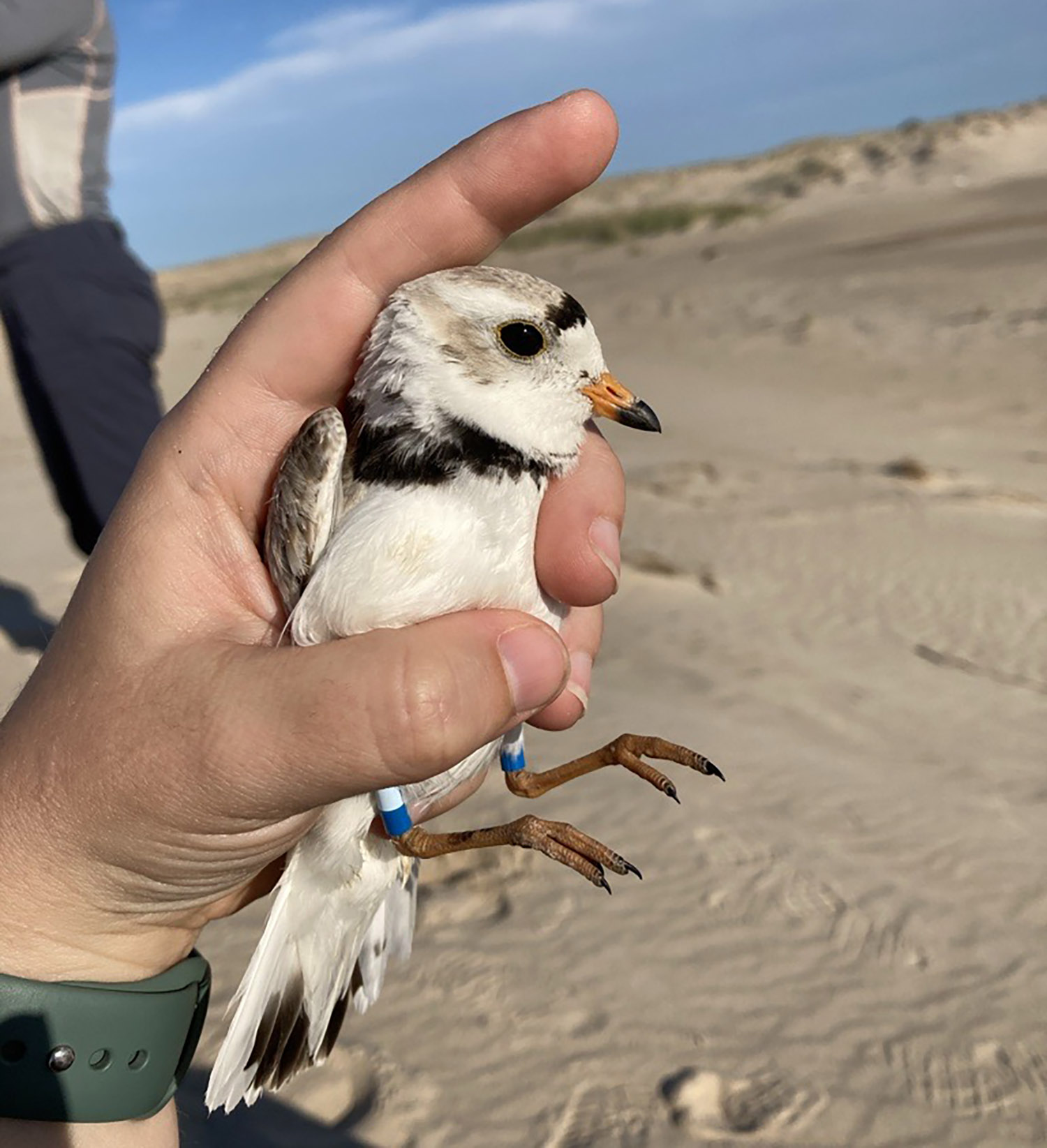
Birds are Delaware’s most diverse group, with various species of conservation concern, spanning migratory shorebirds, waterfowl, colonial, waterbirds, and landbirds.
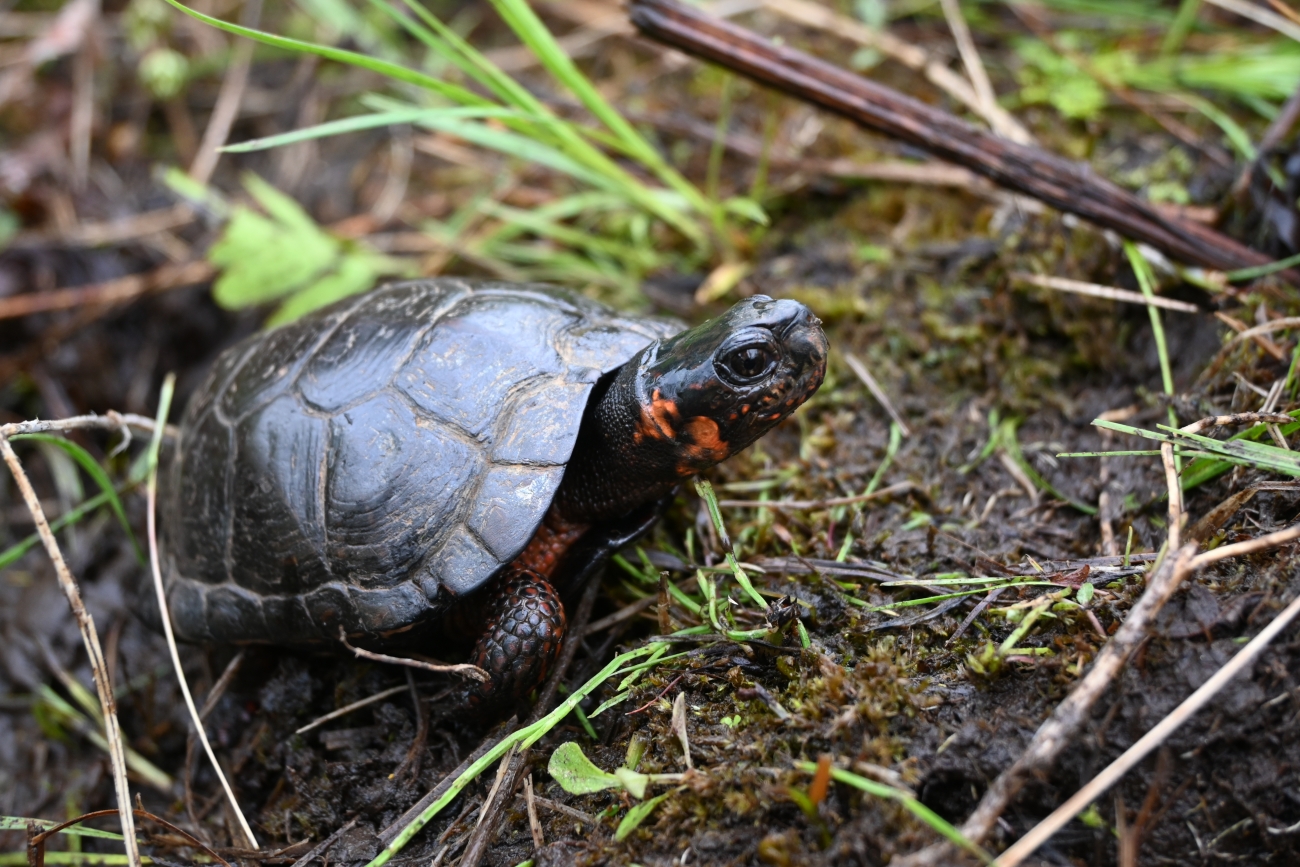
From box turtles to coastal plain leopard frogs, Delaware’s reptiles and amphibians are tied to wetlands, forests, and fragile coastal habitats.
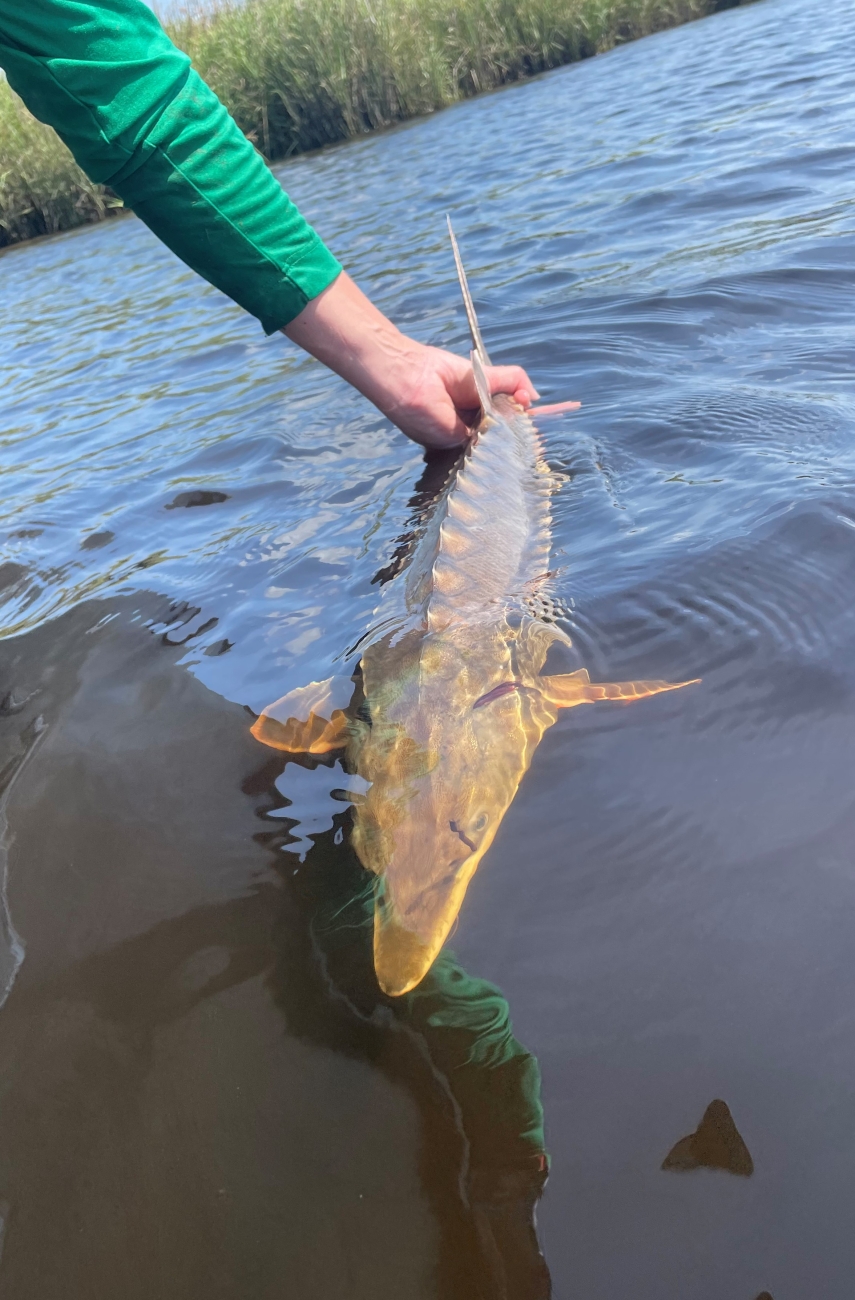
Delaware’s rivers, streams, ponds, and estuaries support over 170 species of fish, including more than 100 identified as SGCN.
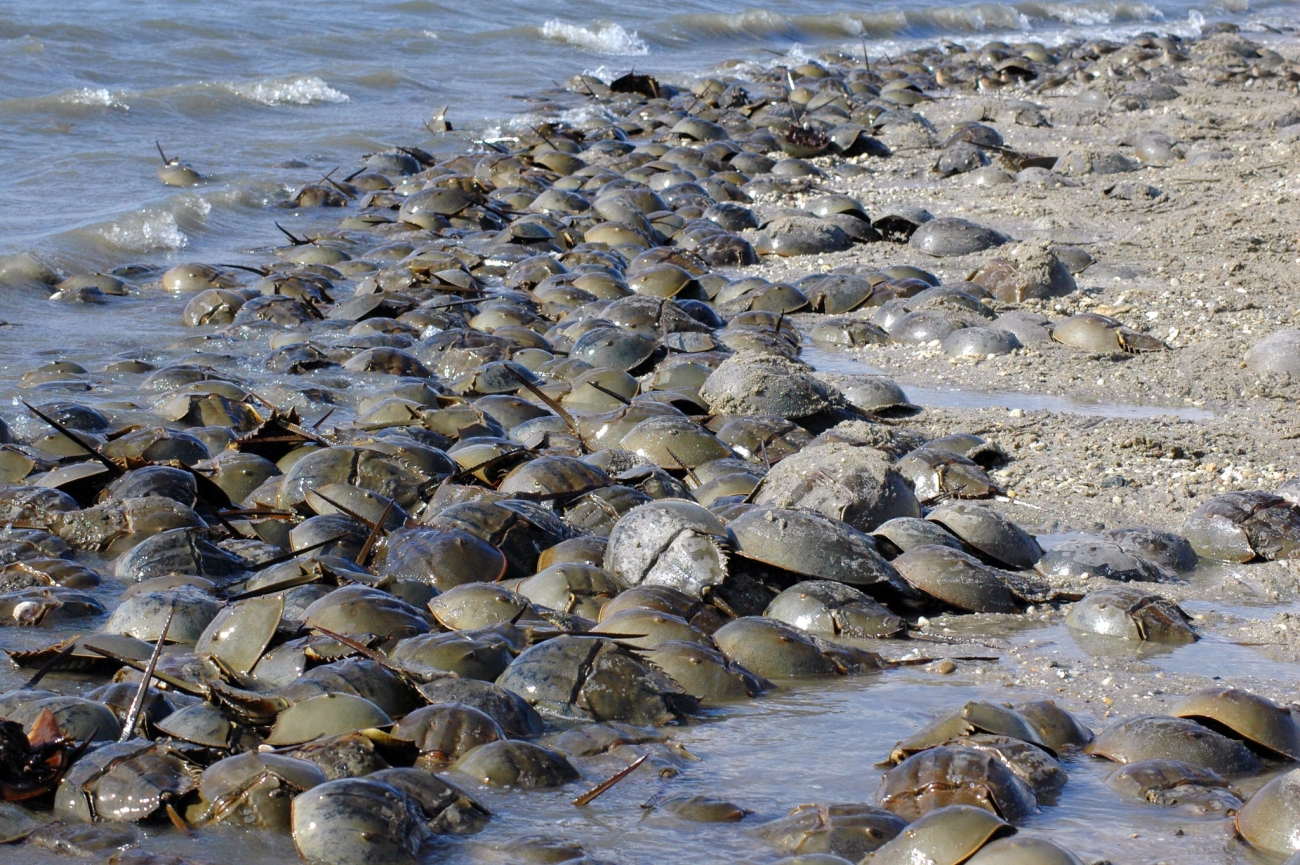
With more than 2,000 known species, invertebrates make up the majority of Delaware’s biodiversity, yet many groups remain poorly studied.
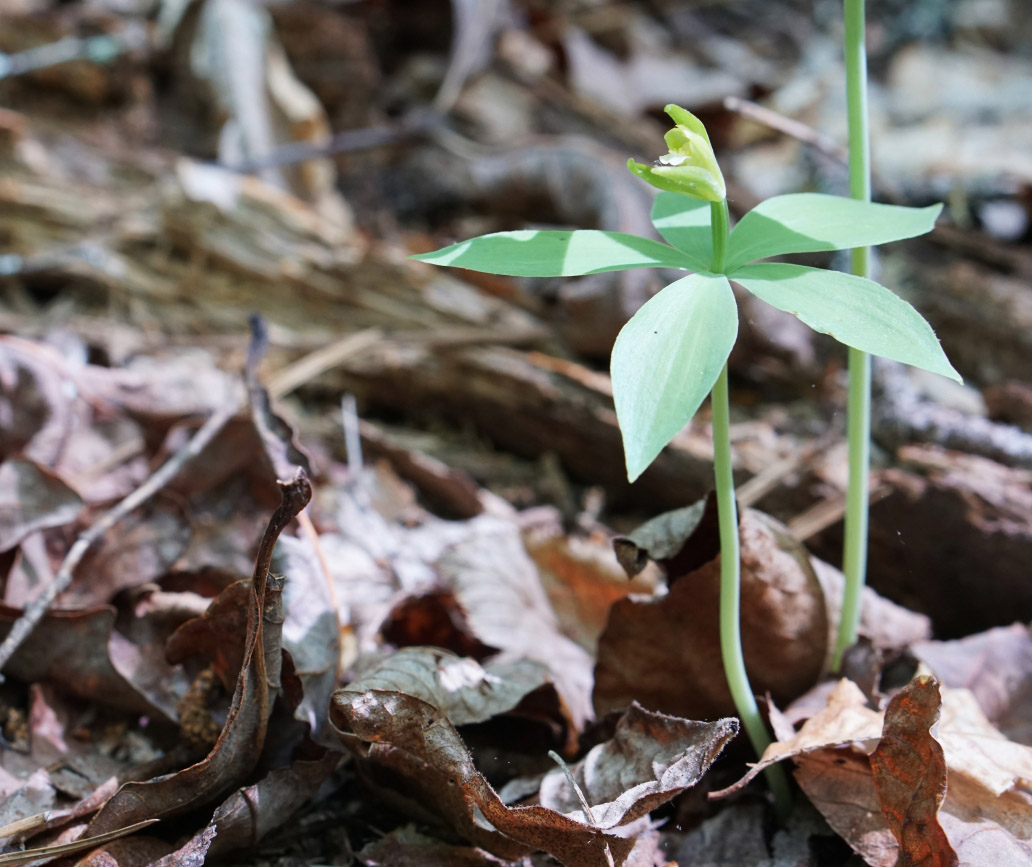
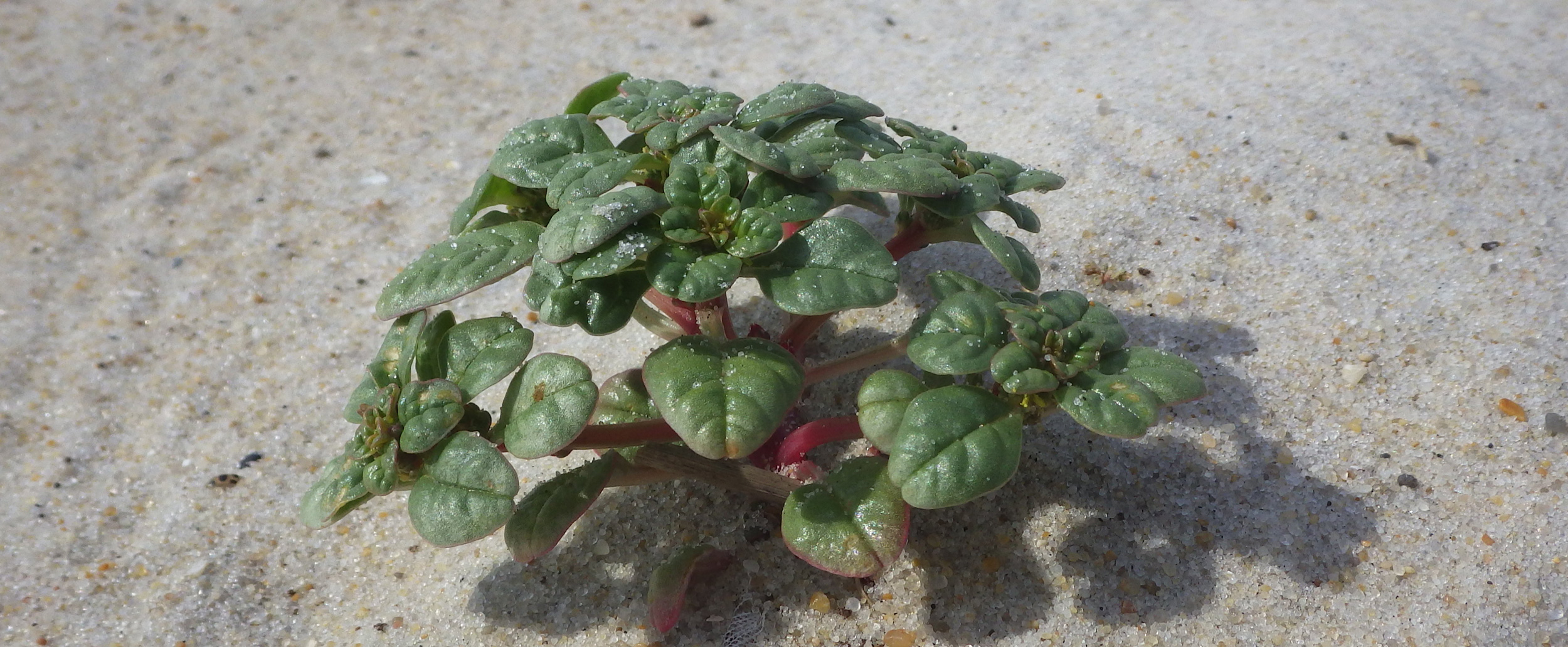
Delaware’s rare and vulnerable plants are essential to habitats statewide, providing food, cover, and ecological structure for wildlife.
Related Topics: action plan, conservation, draft, fish and wildlife, habitat, plan, species, wildlife
Delaware's Governor
State Agencies
Elected Officials
General Assembly
Delaware Courts
State Employees
Cities & Towns
Delaware State Code
State Regulations
Business First Steps
Phone Directory
Locations Directory
Public Meetings
Voting & Elections
Transparency
Health Insurance
Tax Center
Personal Income Tax
Privacy Policy
Weather & Travel
Contact Us
Corporations
Franchise Tax
Gross Receipts Tax
Withholding Tax
Delaware Topics
Help Center
Mobile Apps
E-mail / Text Alerts
Social Media


Built by the Government Information Center
©MMXXVI Delaware.gov