DNREC Menu
This page includes information on some of the recent projects undertaken by the DNREC Nonpoint Source Program and its partners to help meet local water quality goals. Projects have been leveraged with Clean Water Act Section 319 funding and Conservation Reserve Enhancement Program funding.
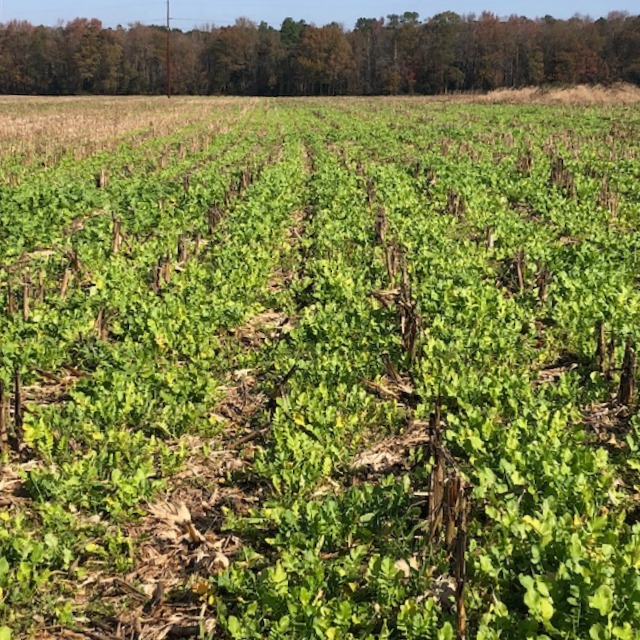
The Conservation Districts administer cover crop cost-share programs on an annual basis to incentivize landowners to implement cover crop practices during the winter months.
Cover crops are usually non-commodity crops that are planted to improve overall soil health. This can include a reduction in soil erosion, reducing weed populations resulting in less pesticide use and providing nutrient scavenging capabilities which have positive impacts for water quality. Cover crop adoption plays a major role in nutrient reduction for the agriculture sector.
The programs have been successful in expanding cover crop adoption throughout the state and are often over-subscribed. The Nonpoint Source Program provides supplemental funding to support and expand the cover crop cost-share programs administered by the Conservation Districts.
On average, CWA Section 319 grant funding supports the implementation of approximately 3,000 acres of cover crops annually in priority watersheds across Kent and Sussex Counties.
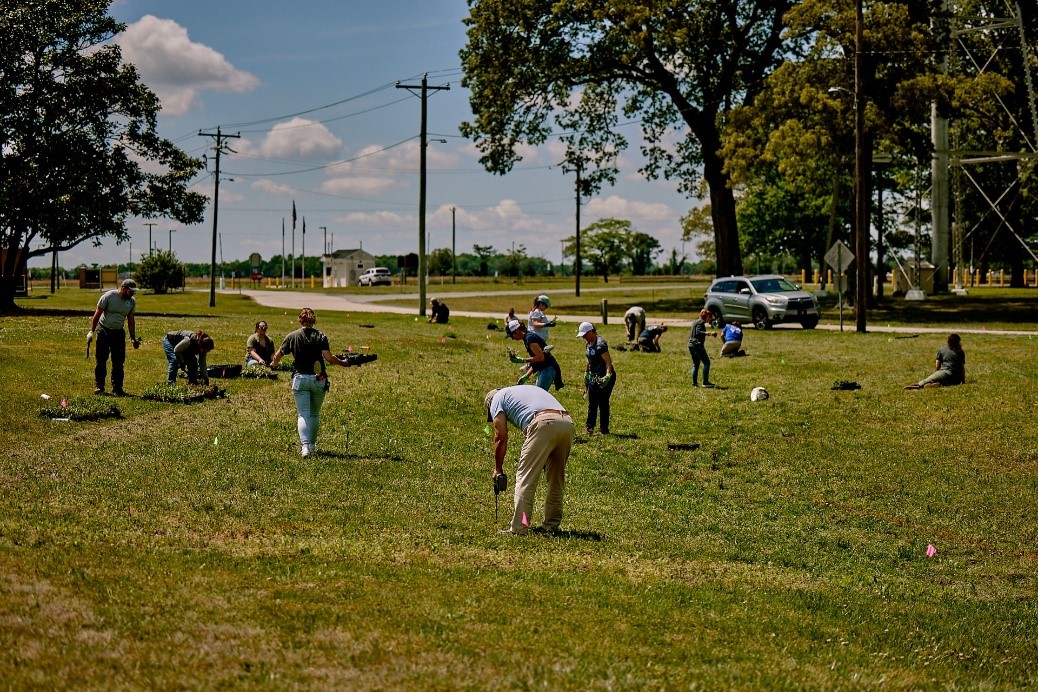
The DNREC Nonpoint Source Program provided federal funding to the Delaware Center for the Inland Bays to complete a project addressing water quality improvements on state-owned properties in the Inland Bays Watershed.
The project was a collaborative effort between the State of Delaware Office of Management and Budget’s Division of Facilities Management, the DNREC Nonpoint Source Program and the Delaware Center for the Inland Bays.
Volunteers from both the state and the public planted three vegetated filter strips, totaling a little over an acre, across the Stockley Center Campus in Georgetown. Planted filter strips consist of pollinator friendly native plants like ironweed, sunflowers, and more.
The project enhances the treatment of stormwater run-off coming from the campus.
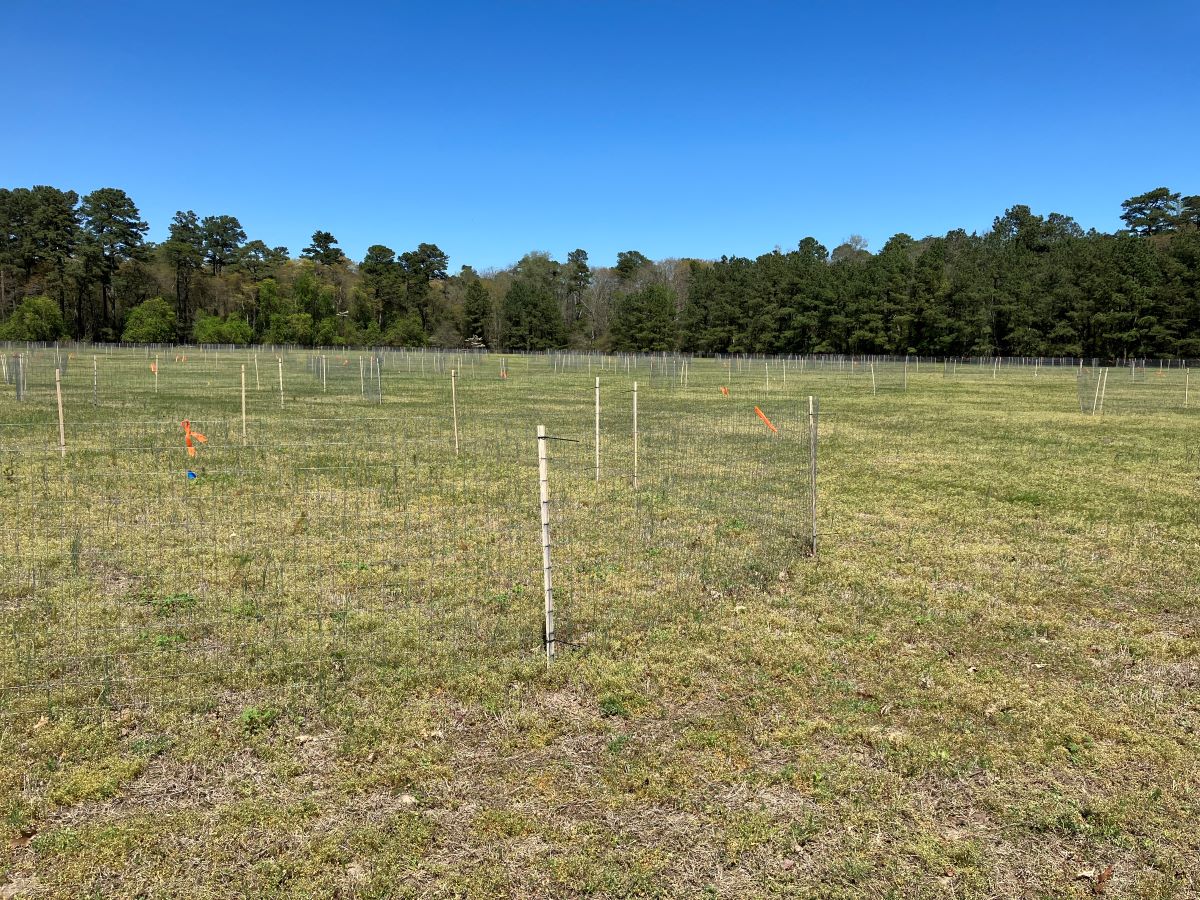
The DNREC Nonpoint Source Program provided federal funding to the Delaware Center for the Inland Bays to implement a reforestation project in two locations. Locations included community-owned open space and state-owned land.
The Center for the Inland Bays reforested 29 acres in total. A one-acre reforestation project was planted in the Autumnwood Community in Sussex County. Staff from the Center also completed a reforestation project at the Stockley Center in Georgetown, with approximately 6.5 acres planted in nucleation clusters and 21.5 acres in rows, protected with tree tubes.
The trees planted in clusters encourage a more natural forest regeneration and are protected by fencing to deter deer.
This project reduces nutrients entering the Inland Bays Watershed, enhances wildlife habitat, and promotes biodiversity.
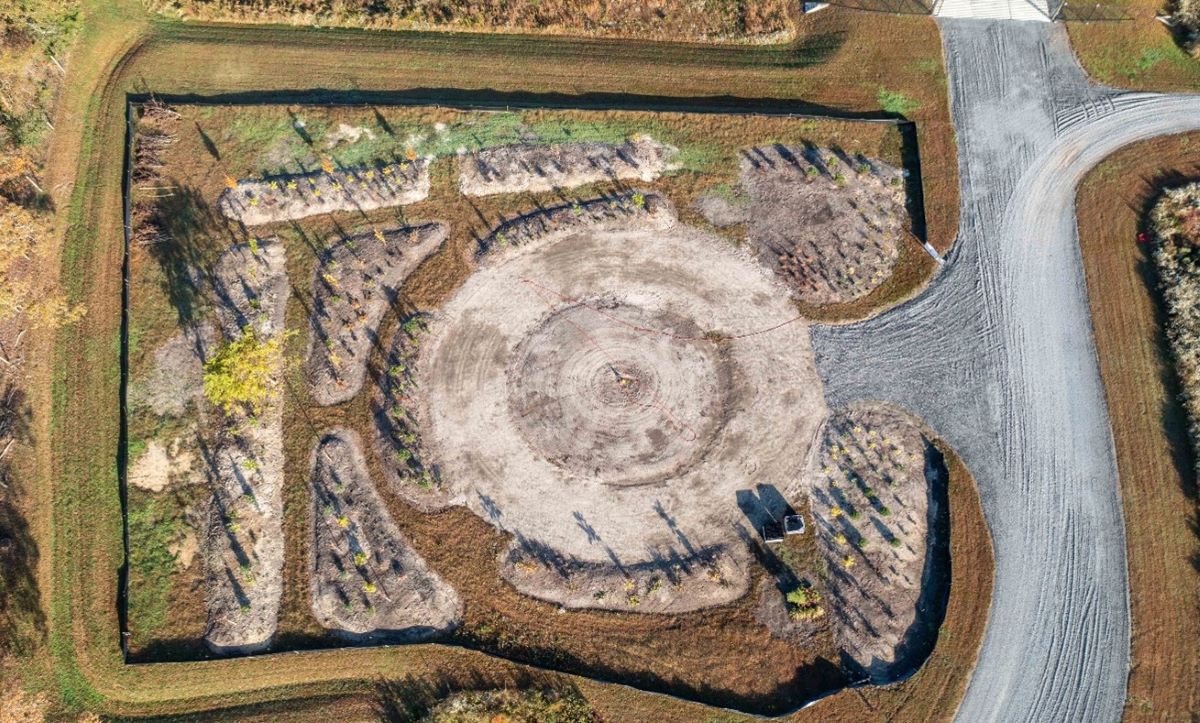
The DNREC Nonpoint Source Program provided federal funding to the Delaware Botanic Gardens, located within the Inland Bays Watershed, to install green technology Best Management Practices (BMPs) to manage impervious surface runoff and nutrient infiltration.
Implemented practices include an urban tree-lined hedgerow, permeable pavers with a pollinator meadow parking area and enhanced vegetation around a retention pool.
The project mitigates flooding from stormwater run-off, enhances water quality through biofiltration, and creates pollinator habitat.
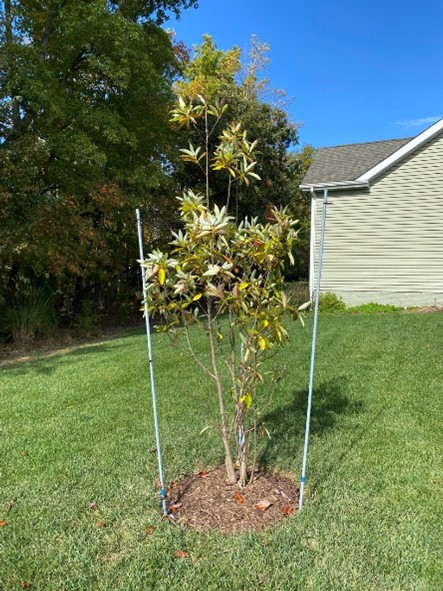
The Delaware Forest Service’s Urban and Community Forestry Program received supplemental funding from the DNREC Nonpoint Source Program to plant trees within five watersheds across the state. Watersheds where plantings occurred include the Christina River, Appoquinimink River, Brandywine Creek, Broadkill River, and the Inland Bays.
The Urban and Community Forestry Program coordinated with 15 communities and the Sussex County Land Trust to plant a total of 1,912 trees.
Plantings improve water quality through biofiltration, enhance wildlife habitat, and curb the heat island effect.
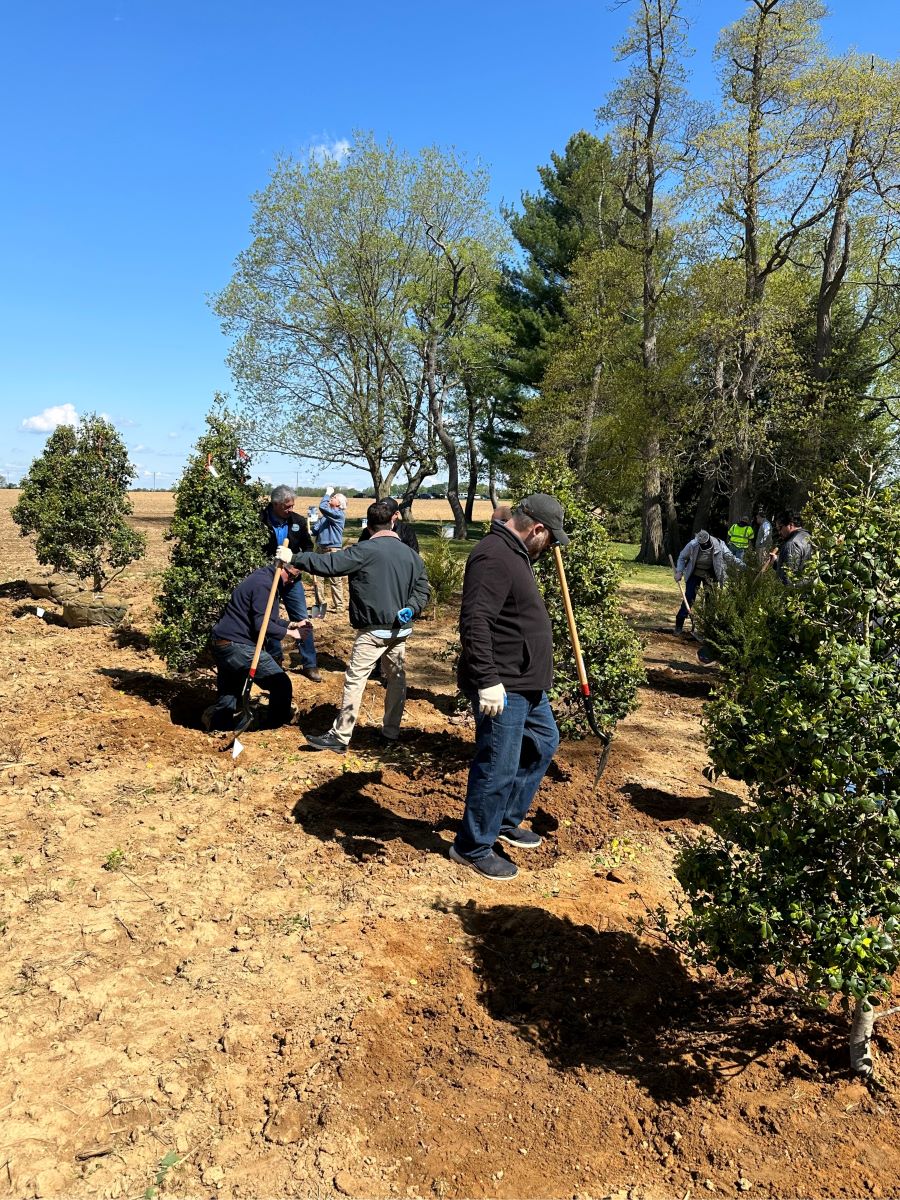
The New Castle County Department of Public Works used CWA Section 319 funding to restore previous farmland on a property known as “Wiggins Mill Property.” The project aims to restore a total of 30 acres in the Appoquinimink River Watershed.
In the spring of 2023, New Castle County completed Phase 1 of the project, planting 15 acres of bare root seedlings along the adjacent existing tree line. A variety of oak species were planted, including Black, Chestnut, Swamp White, White and Willow. Phase 1 also included an Earth Day celebration, with attendees planting 24 larger-caliber trees.
The project reduces nutrients entering the Appoquinimink River and enhances wildlife habitat.
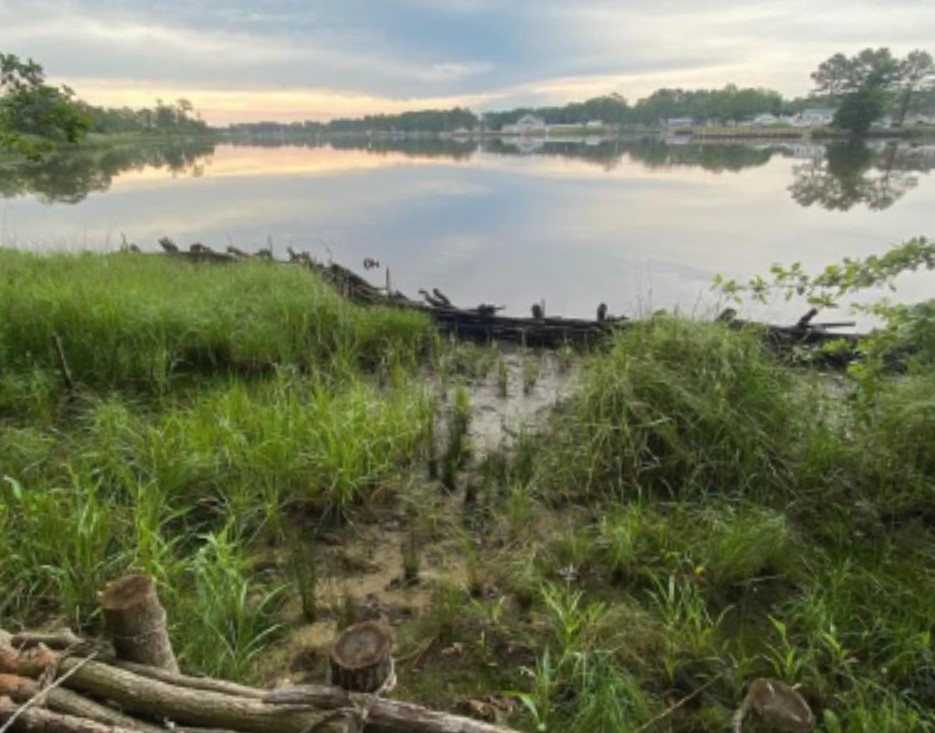
In partnership with the Delaware Center for the Inland Bays and the DNREC Nonpoint Source Program, the Delaware Botanic Gardens addressed shoreline erosion concerns by implementing a living shoreline.
Living shorelines protect and stabilize shorelines using more natural materials like wood, plants and sand, as opposed to more traditional methods like concrete seawalls and riprap.
The “green” materials more abundant in living shorelines promote a more natural shoreline regeneration, nutrient reduction and wildlife habitat.
Delaware Botanic Gardens leveraged Community Water Quality Improvement Grant funding and CWA Section 319 grant funding to successfully implement a 500-linear foot living shoreline along Pepper Creek.
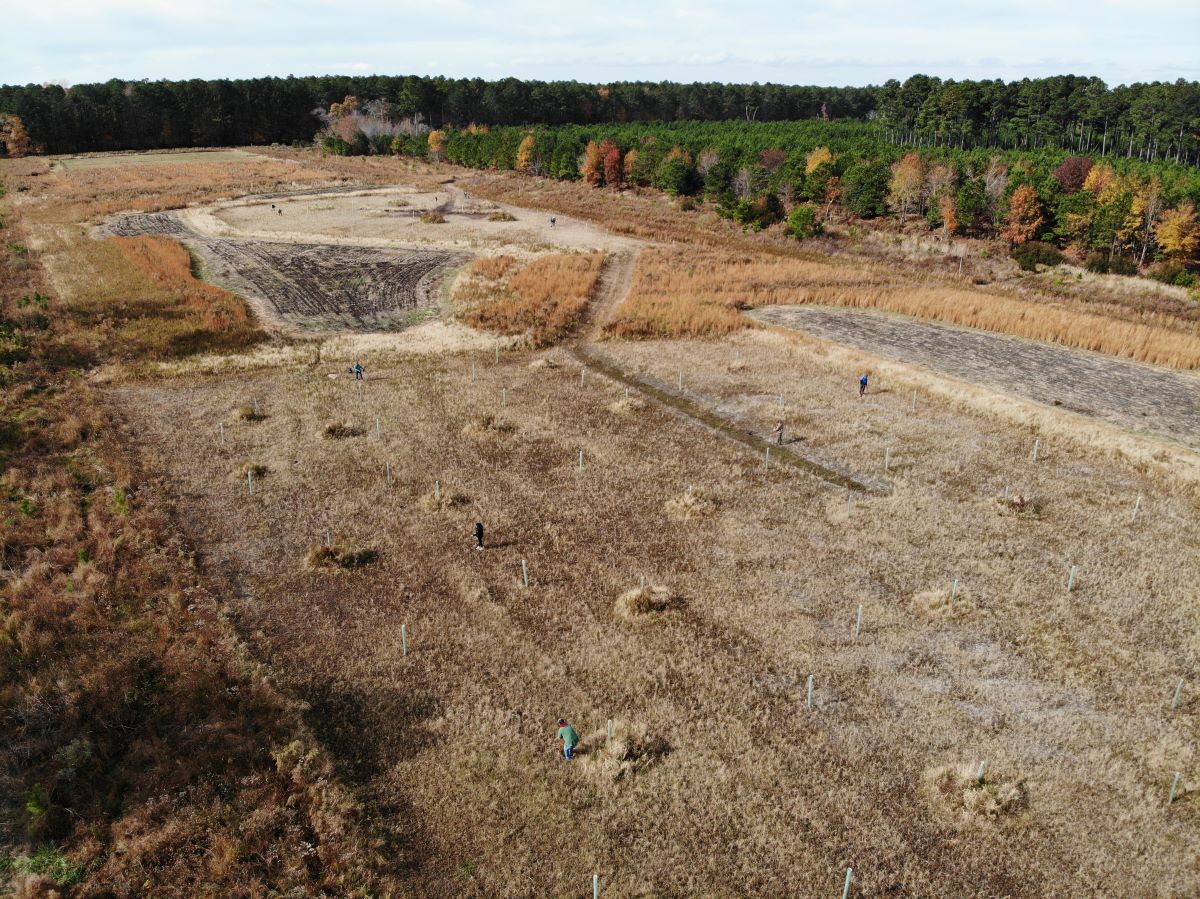
Delaware Wild Lands received supplemental funding from the Nonpoint Source Program to restore approximately 14 acres of agricultural land to native forest at their Great Cypress Swamp property, located in Sussex County.
In conjunction with the Delaware Center for the Inland Bays, a total of 10,000 trees — consisting of Atlantic White Cedar, a variety of oak and Bald Cypress — were planted in the Inland Bays Watershed.
Reforestation efforts enhance wildlife habitat, improve the filtration of surface water, and reduce the impacts of agricultural runoff.
The Conservation Reserve Enhancement Program (CREP) is a federal- and state-funded, voluntary 10- to 15-year program that is part of the U.S. Department of Agriculture’s Conservation Reserve Program (CRP).
In Delaware, the program is designed to encourage producers to remove environmentally sensitive or marginal agricultural land from agricultural production and convert the land to trees, grasses, pollinators and other approved vegetation.
The purpose of the Conservation Reserve Enhancement Program is to reduce sediment, nitrogen, nutrients and other pollutants from entering waterbodies; to improve wildlife habitat; and to restore wetlands in the Chesapeake Bay, Delaware Bay and Delaware Inland Bays basins.
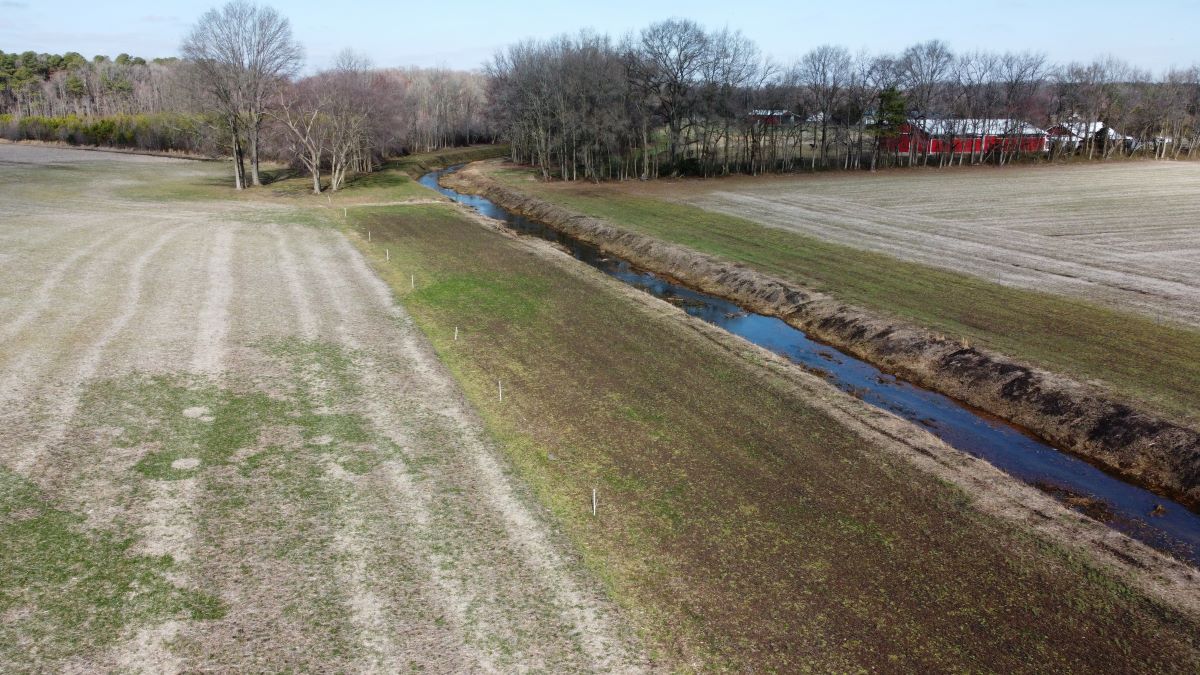
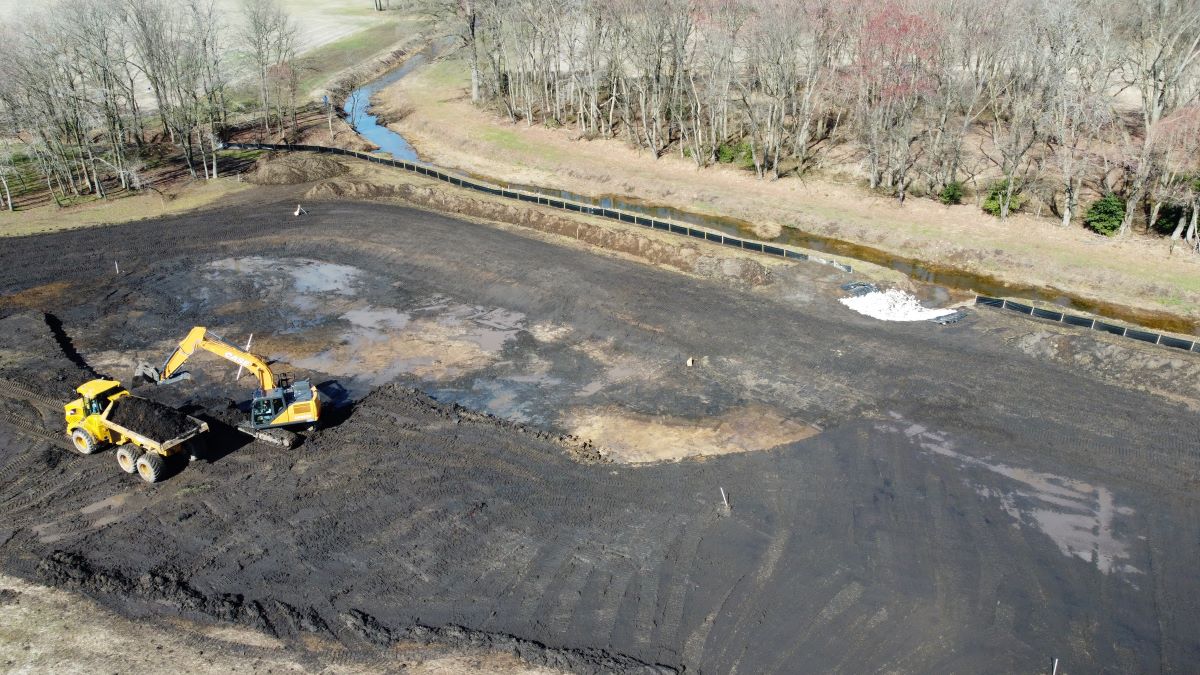
Between 2022 and 2024, two new contracts were implemented to install conservation practices in the Chesapeake Bay Watershed. The new contracts included the implementation of filter strips and shallow water areas. The footprint of the project was approximately three acres of filter strips and two and a half acres of a shallow water area. Both practices were planted with cool-season grasses and pollinator-friendly plants.
The practices are designed to improve and maintain water quality and provide habitat.
Related Topics: clean water act, conservation, funding, grants, nonpoint source, water quality, watershed stewardship
Delaware's Governor
State Agencies
Elected Officials
General Assembly
Delaware Courts
State Employees
Cities & Towns
Delaware State Code
State Regulations
Business First Steps
Phone Directory
Locations Directory
Public Meetings
Voting & Elections
Transparency
Health Insurance
Tax Center
Personal Income Tax
Privacy Policy
Weather & Travel
Contact Us
Corporations
Franchise Tax
Gross Receipts Tax
Withholding Tax
Delaware Topics
Help Center
Mobile Apps
E-mail / Text Alerts
Social Media


Built by the Government Information Center
©MMXXVI Delaware.gov