DNREC Menu

The DNREC Nonpoint Source Program hosts a Biennial Partnership Meeting in the spring of every odd-numbered year, sharing the work and achievements of the program and its partners.

The most recent partnership meeting was held in Lewes, on May 7, 2025. The next will be (tentatively) in May of 2027.
The goal of the partnership meeting is to bring together scientists, engineers, managers and policy makers who are actively involved in and/or affected by all aspects of water quality and nonpoint sources of pollution. This includes federal, state and local agency personnel; nonprofit personnel; water resource engineers; water resource managers; environmental consultants; environmental policy managers; ecological scientists and researchers; hydrological modelers; students and environmental interest groups.
For more information about the Biennial Partnership Meeting, please contact Catie Soriano, at nps.grants@delaware.gov or 302-608-5458.
The meeting started with a welcome, introductions and general program updates from the leadership of the DNREC Nonpoint Source Program and Chesapeake Implementation Program.
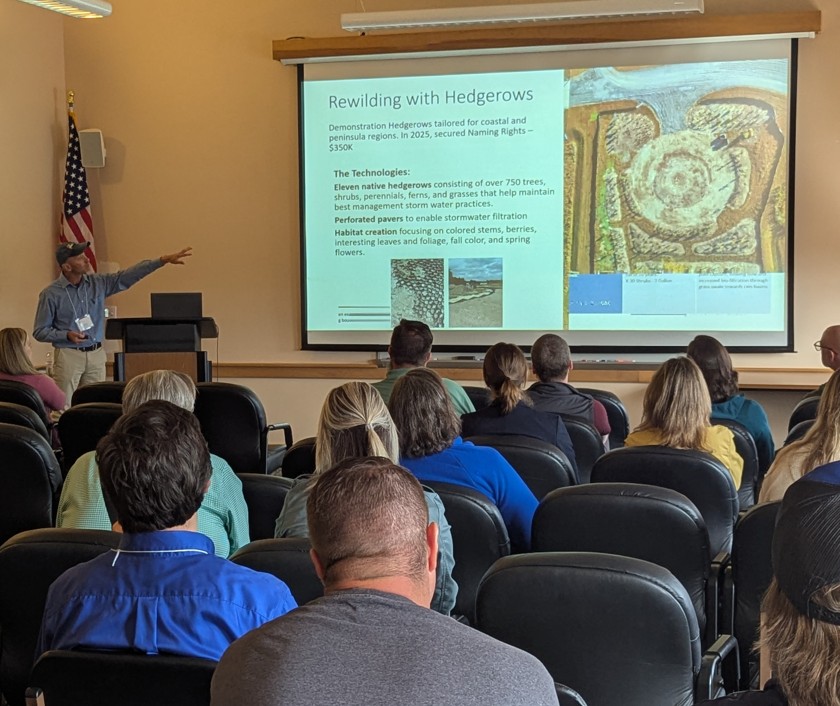
The first morning session included:
After a break, the morning continued with:
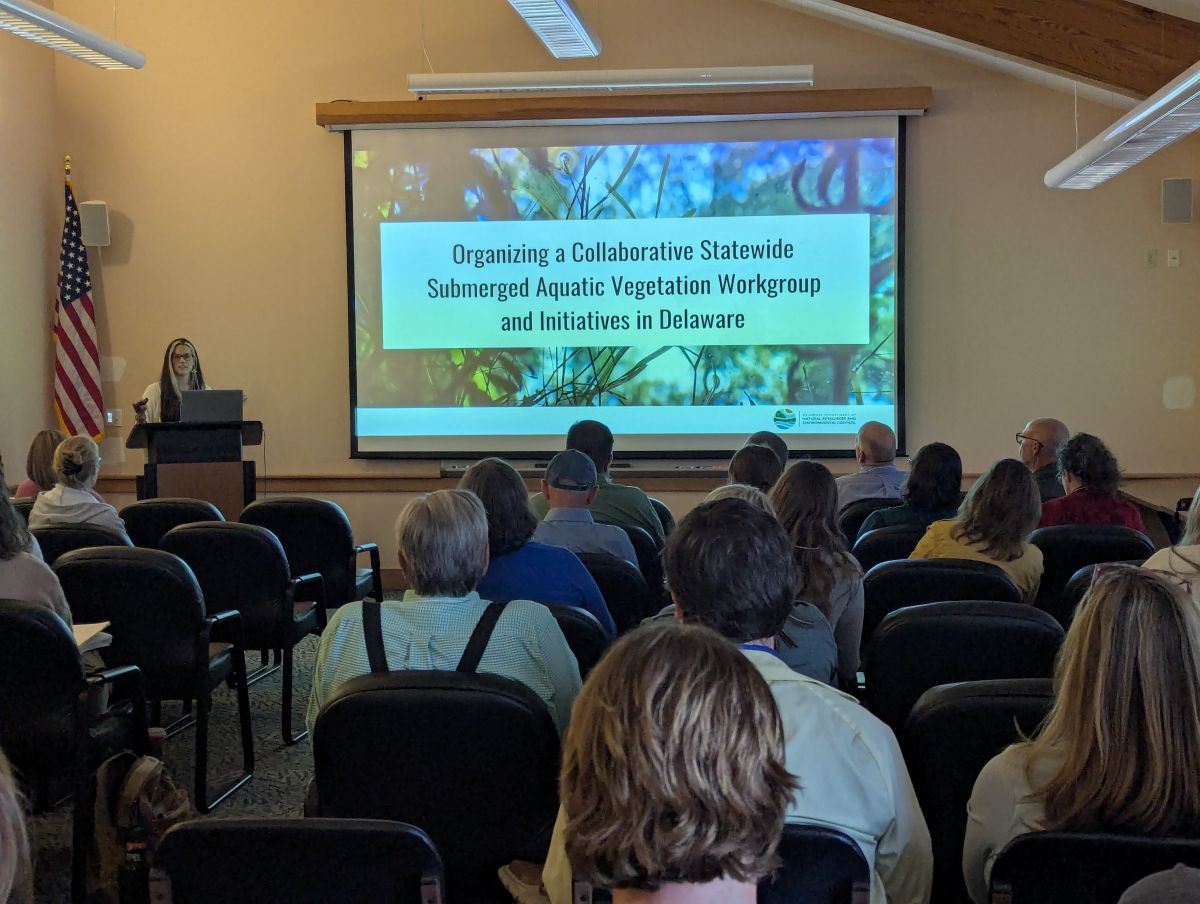
After a networking lunch, the first afternoon session included:
After a break, the afternoon continued with:
At the end of the meeting, Ben Coverdale, of the DNREC Nonpoint Source Program, provided closing remarks.
Related Topics: conservation, meeting, nonpoint source, partnership, training, water quality, watershed, watershed stewardship
Delaware's Governor
State Agencies
Elected Officials
General Assembly
Delaware Courts
State Employees
Cities & Towns
Delaware State Code
State Regulations
Business First Steps
Phone Directory
Locations Directory
Public Meetings
Voting & Elections
Transparency
Health Insurance
Tax Center
Personal Income Tax
Privacy Policy
Weather & Travel
Contact Us
Corporations
Franchise Tax
Gross Receipts Tax
Withholding Tax
Delaware Topics
Help Center
Mobile Apps
E-mail / Text Alerts
Social Media


Built by the Government Information Center
©MMXXVI Delaware.gov