DNREC Menu

Compounding climate risks occur when multiple hazards interact and amplify one another, creating cascading impacts that strain communities, infrastructure and emergency response systems. As climate change intensifies, Delaware is increasingly likely to experience these overlapping risks, particularly when extreme events coincide or occur in quick succession. Vulnerable populations are often affected most, underscoring the need for proactive, coordinated resilience planning.
Partnerships are central to building comprehensive resilience. State agencies, local governments, nonprofits, academic institutions, Tribal and Indigenous communities and private partners all play a role in sharing data, coordinating actions and connecting communities to funding and technical assistance.
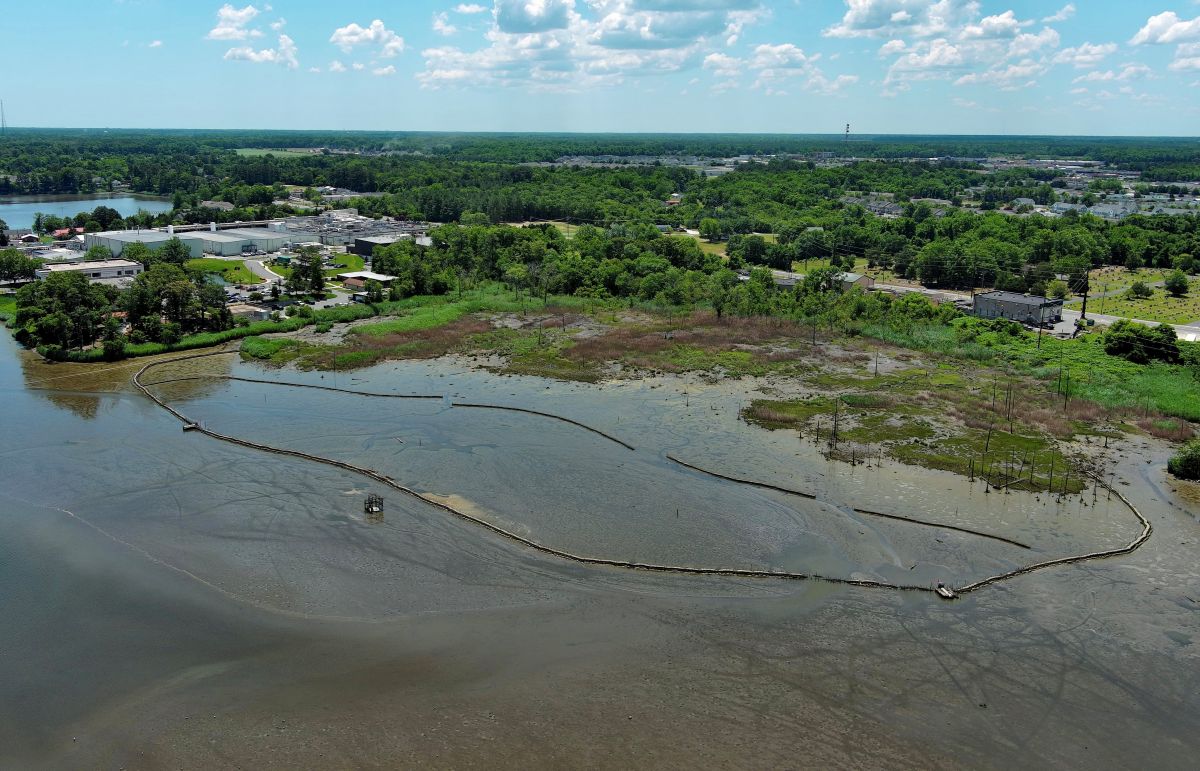
Through collaborative governance, education and sustained engagement, Delaware can strengthen resilience across systems, protect public health and natural resources and better prepare communities to withstand and recover from the compounding impacts of a changing climate.
This section of the Climate Action Plan focuses on cross-cutting strategies that advance multiple adaptation goals at once, such as preserving natural and agricultural lands, investing in nature-based solutions, strengthening infrastructure and transportation systems and improving access to climate data and technical support. By aligning planning, policy and investment decisions across sectors, Delaware can reduce long-term risks and avoid solutions that inadvertently increase vulnerability.
Below is a summary of comprehensive resilience goals, strategies and actions from the 2025 Delaware Climate Action Plan (PDF). Download the plan for full context.
R1.1. Continue to use and improve the state’s Natural Areas Preservation System, Conservation Easement Program, Open Space Program, Aglands Preservation Program and Land Evaluation Site Assessment scores to prioritize and protect natural and agricultural lands.
R1.2. Continue to support the Community Conservation Assistance Program, the Land Conservation Loan Program and other programs to help municipalities put lands into conservation easements to retain ecosystem services.
R1.3. Create an urban forest conservation easement program that aligns with proposed state flood mitigation grants to maximize funding availability and resiliency.
R1.4. Work with farmers to explore programs or other voluntary approaches that provide an economic benefit to allowing sea-level rise to occur naturally to restore tidal flow, wetlands and other nature-based systems.
R1.5. Create guidance outlining next steps for landowner assistance programs to encourage farmers, foresters and other resource managers to incorporate future climate conditions into their management practices.
R2.1. Provide opportunities for communities to share best practices and lessons learned for implementing green infrastructure and ecosystem-based adaptation projects.
R2.2. Install appropriate cooling, heating and/or sheltering infrastructure in state natural and recreational areas to protect visitors from climate hazards.
R2.3. Establish landscape linkages to connect habitats and increase protection for natural lands, open spaces and parks.
R2.4. Support educational efforts by the Delaware Native Species Commission and the Invasive Species Council to plant and maintain native plants.
R2.5. Seek funding to develop new ways to design and manage coastal impoundments for recreation, mosquito control and habitat provision.
Goal: Enhance technical support and design to advance resiliency
R3.1. Provide technical assistance and trainings, through the Coastal Training Program, on the use of state climate planning scenarios.
R3.2. Coordinate with the counties and municipalities to identify technical assistance resources needed for updating county hazard mitigation plans.
R3.3. Support local governments and small communities with creating county- and municipal-level plans that support climate resilience.
R3.4. Continue to support statewide resilience coordination and technical assistance programs (such as RASCL, Resilient Community Partnership and Grant Assistance Program) to build programs’ capacity to ensure resilient technical assistance services.
R3.5. In partnership with the Office of State Planning Coordination, provide technical assistance to support implementation of the new comprehensive plan requirements, including helping counties steer new development away from areas vulnerable to sea-level rise and flooding.
R4.1. Incorporate funding criteria into state-sponsored grant and loan programs that require applicants to consider projected climate conditions in project proposals.
R4.2. Assist towns and municipalities in developing their own funding mechanisms for resilience projects.
R4.3. Expand the Open Space Program to include a grant mechanism backed by new, increased funding to assist county, local governments and non-governmental organizations with land acquisition efforts.
R4.4. Analyze the vulnerability of the state’s insurance market to generate responsive recommendations to climate change risks and opportunities.
R5.1. Ensure future climate change impacts are incorporated and implemented into waste, wastewater and hazardous substance plans and procedures.
R5.2. Work with businesses managing hazardous materials in industrial areas to assess climate change impacts for incorporation into facility emergency action plans.
R5.3. Encourage brownfield redevelopment through public and private partnerships to convert vacant brownfield sites to open, green spaces and parks to improve air quality, potential flood hazard mitigation and quality of life.
R5.4. Work with federal, state and local entities on emergency management planning for waste and wastewater facilities.
R5.5. Plan for future climate hazard exposure when replacing equipment at waste facilities and implement appropriate green and gray infrastructure to protect facilities from natural hazards.
R6.1. Continue to update and integrate climate resilience into bridge and highway design manuals to address climate impacts.
R6.2. Review and adopt measures to improve evacuation flow and operations, sheltering and security concerns, such as identifying evacuation routes that are resilient to hazards, including flooding.
R6.3. Increase areas designated as Transportation Improvement Districts across the state.
R6.4. Review transportation system preservation plans to maximize long-term cost savings and reduce hazardous situations, particularly where climate risk is high.
R6.5. Protect transportation infrastructure and advance planning to redesign or relocate the most vulnerable transportation infrastructure where necessary.
R7.1. Ensure resilience of buildings to natural hazards by reviewing the International Code Council’s Hazard Mitigation Code and relevant expertise to create a model statewide building code to improve consistency and safety.
R7.2. Assess critical facilities to identify the most vulnerable sites to climate change impacts and the state’s response capacity.
R7.3. Install emergency power sources in identified critical state-owned facilities.
R7.4. Support partnerships to establish resilience hubs at trusted community-run facilities to enhance local resiliency and provide resources on climate hazards and preparedness.
R7.5. Facilitate state-utility collaboration to identify and assess critical infrastructure projects, focusing on areas most at risk from extreme weather and climate impacts.
R8.1. Continue to develop an inventory of Delaware-specific data needs to support communities’ resilience.
R8.2. Support easy-to-use tools and resources that provide accurate and detailed data for planning and decision-making for conservation, including foundational high-resolution geospatial data on land use types and high-resolution elevation datasets.
R8.3. Maintain Delaware’s Climate Information Center as a publicly available tool to access up-to-date data on state climate projections.
R8.4. Assist property owners in assessing the vulnerability of their buildings to climate hazards.
R8.5. Continue to research the socioeconomic and cumulative impacts of climate change on local communities, including quantifying community benefits of resiliency projects and the costs of inaction.
R8.6. Use GIS mapping tools to identify and prioritize urban forest patches with the greatest climate resilience and equity benefits for conservation.
R9.1. Monitor statewide changes and trends in health relating to environmental and climate hazards through health impact assessments.
R9.2. Continue to integrate climate and health data tracking from the Delaware Environmental Public Health Tracking Network into community planning efforts to further understand how climate change impacts public health.
R9.3. Continue developing and enhancing electronic reporting procedures for hospitals, laboratories and other health-sector partners to quickly identify climate-related health impacts, such as heat stroke or Lyme disease.
R9.4. Promote targeted education on the health impacts of climate change to vulnerable populations.
R9.5. Create educational materials on maintaining health during climate emergencies, managing chronic conditions during disruptions and accessing care when infrastructure is compromised.
R10.1. Acknowledge Traditional Ecological Knowledge (TEK) as a valuable resource in areas such as agroforestry, wildfire management and watershed health.
R10.2. Identify opportunities to replicate and use the Fork Branch model where appropriate.
R10.3. Include Indigenous partners in planning and implementation discussions around climate-aligned land use, fire practices and ecosystem monitoring.
R10.4. Support capacity-building for tribal-led conservation initiatives that contribute to biodiversity, resilience and long-term land stewardship.
R11.1. Identify possible funding sources to provide scholarships for students to attend educational programming about climate change outside of the classroom.
R11.2. Support interdisciplinary climate education opportunities for lifelong learners.
Related Topics: actions, climate action plan, climate change, climate coastal energy, communities, gaols, greenhouse gas, resilience, sea level rise, strategies, sustainability
Delaware's Governor
State Agencies
Elected Officials
General Assembly
Delaware Courts
State Employees
Cities & Towns
Delaware State Code
State Regulations
Business First Steps
Phone Directory
Locations Directory
Public Meetings
Voting & Elections
Transparency
Health Insurance
Tax Center
Personal Income Tax
Privacy Policy
Weather & Travel
Contact Us
Corporations
Franchise Tax
Gross Receipts Tax
Withholding Tax
Delaware Topics
Help Center
Mobile Apps
E-mail / Text Alerts
Social Media


Built by the Government Information Center
©MMXXVI Delaware.gov