DNREC Menu
Outdoor Delaware is the award-winning online magazine of the Delaware Department of Natural Resources and Environmental Control. Articles and multimedia content are produced by the DNREC Office of Communications.
Pollution can come from many sources. Sure, there are the stereotypical major industrial activities that release pollutants, but everyday actions also have a significant impact on our environment and the health of our natural resources. Individual acts matter.
Being educated about how we affect the environment and staying vigilant helps our natural world and, subsequently, ourselves.

Casually dumping old oil from a car engine into the grass or the street, for instance, may seem like a very minor thing, but that oil is liable to wind up in our waterways. When it rains, runoff carries chemicals, nutrients and other pollutants until they are absorbed into the ground or are transported to a body of water.
And a little bit of pollution can add up very quickly, especially for a small state like Delaware that is so strongly affected by what is happening outside our borders.
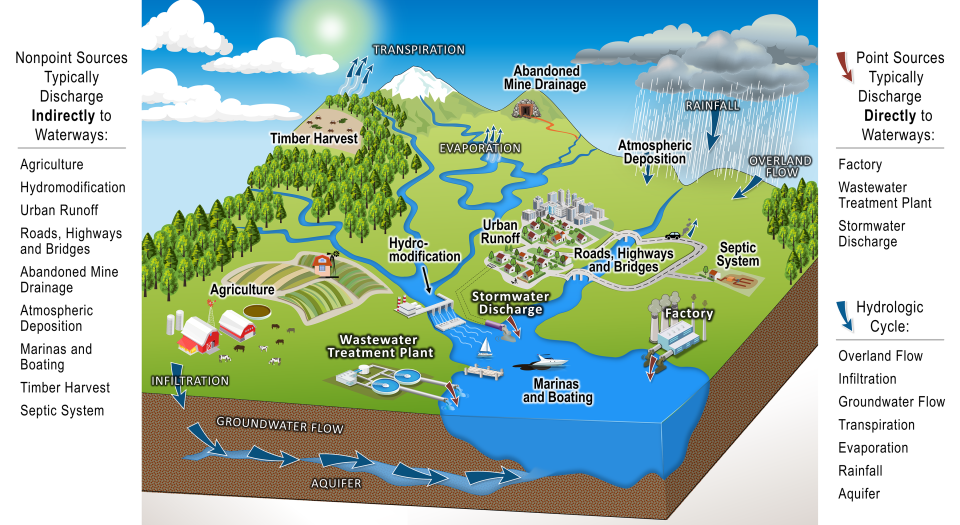
One of the leading causes of pollution in Delaware is nonpoint source pollution, or pollution that originates from a diffuse source, which is to say it’s difficult or even impossible to trace it back to where it started.
While people often think of factory smokestacks emitting gases into the sky or industrial facilities discharging wastewater into rivers when they hear the word “pollution,” many of the contaminants that make their way into the environment originate as part of everyday activities.
What’s more, determining the genesis of this type of pollution is generally not practical. Figuring out how to stop it can be considerably more difficult than point source pollution like a pipe or smokestack.
Nonpoint source pollution is a major factor impacting air and water quality around the globe, and our state is no exception. This type of pollution often comes from stormwater runoff related to rainfall, snowmelt or irrigation water moving over or through the ground. As the water travels, sediments, nutrients, toxics and pathogens can be transported and eventually reach bodies of water, from small ponds to the ocean.
“NPS pollution is associated with a variety of activities on the land, including farming, logging, urban/construction runoff, onsite sewage systems, streambank degradation and shore erosion,” reads the introduction to the Delaware Department of Natural Resources and Environmental Control’s 2024 nonpoint source pollution report. “For example, stormwater runoff from large storm events can transport nutrient sources of nitrogen and phosphorus into local streams, rivers and ponds. Under natural conditions, this is beneficial. However, if excessive nutrients enter these water bodies and cause nuisance algae blooms, then these nutrients are deemed pollutants. The pollution contributed by nonpoint sources is the main reason why many of Delaware’s waters are considered ‘impaired.’”
Consider a storm that hits downtown Wilmington. As the rain falls to paved streets, sidewalks, parking spaces and driveways below, it washes away all sorts of particles, including bits of trash strewn across the ground and chemicals like motor oil. Because of impermeable surfaces like concrete and asphalt, stormwater runoff from rain events carries pollutants across the ground until the water finally finds a pervious area where it is absorbed into the ground.
Other examples of nonpoint source pollution include nitrogen- and phosphorus-based fertilizer, pesticides (including herbicides, insecticides and fungicides), sediment from improperly managed construction sites, bacteria, and nutrients from livestock, pet waste and faulty septic systems.
Nonpoint Source Pollution at the National and Local Levels
Nationally, roughly half the country’s waterways are considered impaired, meaning they don’t meet water quality standards. Nonpoint source pollution is typically a large contributing factor to these impairments.
Legislation passed by Congress in 1987 provided funding for states to tackle nonpoint source pollution. About $5.8 billion has been provided by the U.S. Environmental Protection Agency to state governments since 1990.
Delaware’s original NPS Program was approved by the EPA in August 1988, making it one of the first in the nation to comply with Section 319 of the Clean Water Act.
Due in part to nonpoint source pollution, more than 90% of Delaware’s waterways are impaired, meaning they fail to meet the state’s water quality standards for designated uses like drinking, swimming or fishing. These waters can suffer from a number of factors, including excessive nutrients, sediment, bacteria, low dissolved oxygen levels, toxins, heat or any combination of these problems. The most common causes are pathogens such as bacteria and nutrients like nitrogen and phosphorus.
For waterways designated as impaired, a Total Maximum Daily Load, or TMDL, must be developed to limit how much pollution can be discharged into a waterway.
The DNREC Division of Watershed Stewardship’s Watershed Assessment and Management Section collects water quality data through the General Assessment Monitoring Network. Currently, this network consists of 138 monitoring stations across the state. Twenty-two are overseen monthly, while the remainder are monitored either six or 12 times a year on a rotating basis. All water quality samples are analyzed for up to 30 parameters.
Some of the stations in this network have been active since the 1970s, which provides for long-term status and trend assessments.
Data collected and analyzed is used to support TMDL development and help justify the need for pollution reduction strategies. It also allows for evaluation of best management practices, or BMPs, and how close waterways are to meeting goals.
DNREC publishes a detailed assessment commonly called an integrated report every two years. The report highlights any waterbodies listed or delisted for impairment, indicating either a decline or improvement in water quality based on analyses of water quality monitoring data.
Prevention and Education
Agriculture is often cited as a cause of nonpoint source pollution, and indeed, farming can contribute through use of fertilizer and other chemicals. At the same time, farmers play an important role in stopping nonpoint source pollution.
Delaware’s three Conservation Districts, DNREC and the Delaware Department of Agriculture all help provide funding to farmers to plant cover crops, which prevent soil erosion and reduce nutrients. Cover crops are vital in slowing runoff, and in the fall of 2024, federal and state funding resources were used to plant approximately 145,000 acres of cover crops.
Farms that own animals collectively weighing at least 4 tons or spread fertilizer on 10 or more acres are required to have nutrient management plans to ensure they aren’t applying excess nutrients that could impact the soil and water. Such a plan must be developed by a Delaware-certified nutrient consultant, who becomes certified by taking courses administered jointly by the University of Delaware Cooperative Extension Service and the Department of Agriculture’s Nutrient Management Program and passing a certification exam.
Farmers are also certified as private nutrient generators and/or handlers through the Delaware Department of Agriculture and must attend continuing education courses to maintain their status. Nonpoint source-related material is covered as part of the curriculum for these education courses, and there are other levels of certification for non-farm related businesses and individuals.
The Nonpoint Source Program administers federal and state water quality grant programs that supply funding to eligible applicants to address nonpoint source pollution by implementing water quality BMP projects and educational resources. The Surface Water Matching Planning Grant provides funding resources for the design, planning and engineering aspects of BMP projects, while the Community Water Quality Improvement Grant offers access to state funding resources for BMP implementation and the Clean Water Act Section 319 Grant supplies federal funds.
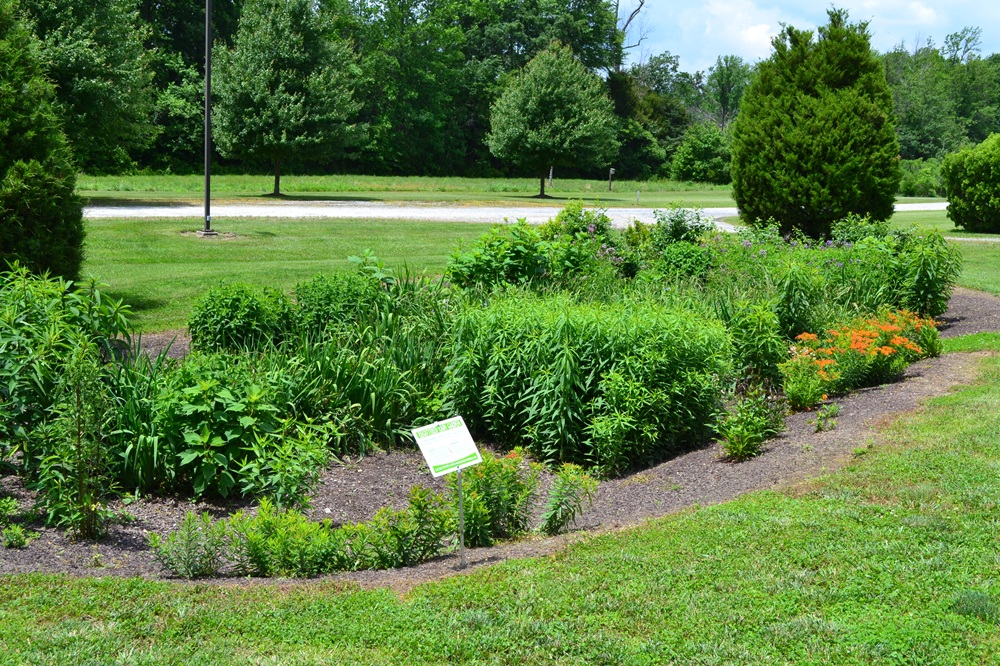
The grant programs can help to fund a host of water quality BMPs, including green infrastructure projects. Building rain gardens and creating, enhancing or restoring wetlands can help trap and filter stormwater, for instance. Other examples include relocating manure and retrofitting stormwater infrastructure.
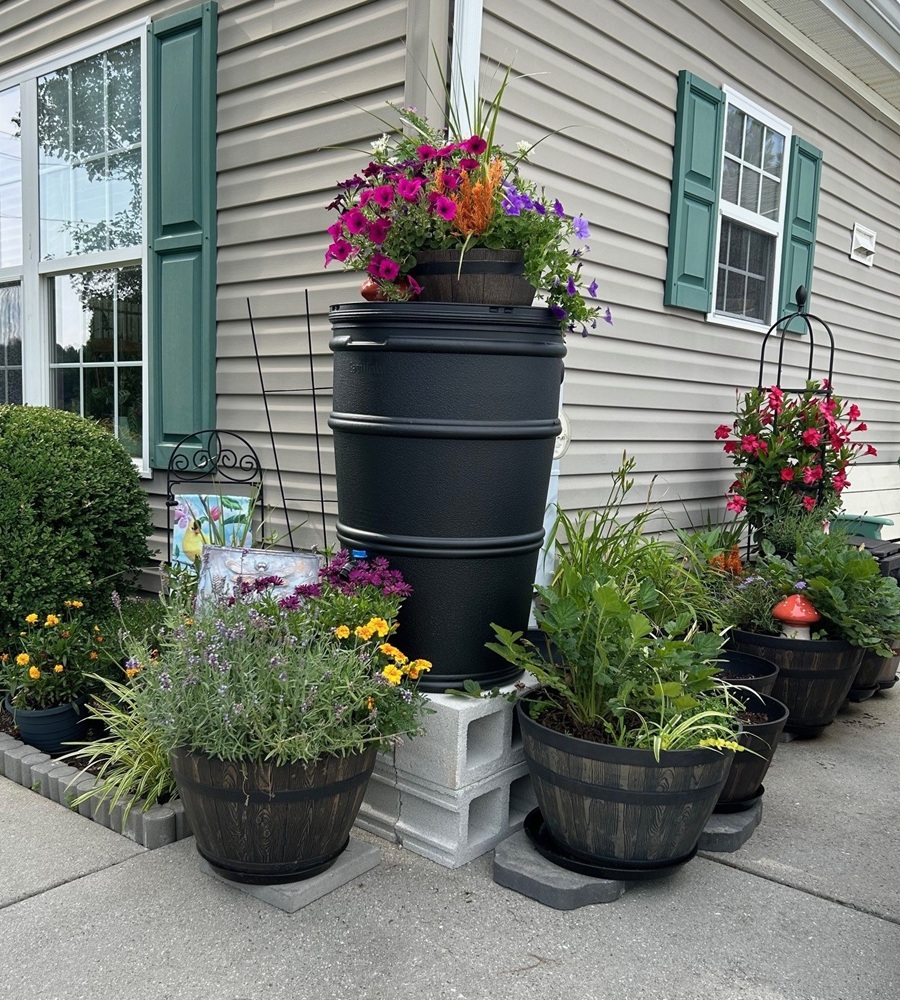
DNREC has recently been promoting rain barrels as part of the Nonpoint Source Program’s educational outreach initiatives. A rain barrel helps with the fact 1 inch of rainfall on an average roof can produce more than 700 gallons of water. That’s 700 gallons that can run through yards and streets, picking up litter, fertilizer, oil, excrement and other pollutants that eventually enter large waterways through storm drains, ditches and waterways. Rain barrels capture and collect water from roof runoff that can be reused for many purposes and can even help lower monthly water bills, particularly in the summer.
Green infrastructure has benefits that go beyond nonpoint source pollution too. Vegetation provides shade and animal habitats, and living shorelines combat erosion.
DNREC’s Nonpoint Source Program operates under the Division of Watershed Stewardship. There, knowledgeable staff work diligently to educate the public on environmental stewardship and administer several grant and conservation programs with partner organizations to implement water quality BMP projects in priority watersheds.
Indeed, education is a key component of what DNREC’s NPS team does. Staff have exhibited at numerous events throughout 2025, from the Delaware State Fair to the Youth Environmental Summit to the Trap Pond Nature Festival. Teaching Delawareans about the impact of runoff and steps they can take to counteract it is a key part of tackling this type of pollution.
Particularly vexing for DNREC’s experts working to deal with pollution is the fact much of our water comes from groundwater, and because of how groundwater travels, many pollutants that got into the system from nonpoint sources several decades ago are only now entering surface bodies of water. That contributes to this being a broad and long-term problem.
According to personnel in DNREC’s Nonpoint Source Pollution Program, many people aren’t really aware of this type of pollution. If they have heard of it, they may think it’s only something associated with agriculture and don’t know how everyday activities, from landscaping to applying insecticide to pumping out a septic system, can contribute.
“Some people don’t understand how everything they do affects the watershed,” said Catie Soriano, a planner in the Division of Watershed Stewardship’s NPS Program.
What Can I Do?
That’s all well and good, but how does it apply to me? I’m not part of the problem — right?
As it happens, a lot of people contribute to nonpoint source pollution without realizing it. Here are some steps homeowners can take to help our environment.
Remember that everything we do can affect our environment, down to even seemingly miniscule actions.
Related Topics: health, nonpoint source, nps, outdoor delaware, pollution, science, wastewater, watershed stewardship
Delaware's Governor
State Agencies
Elected Officials
General Assembly
Delaware Courts
State Employees
Cities & Towns
Delaware State Code
State Regulations
Business First Steps
Phone Directory
Locations Directory
Public Meetings
Voting & Elections
Transparency
Health Insurance
Tax Center
Personal Income Tax
Privacy Policy
Weather & Travel
Contact Us
Corporations
Franchise Tax
Gross Receipts Tax
Withholding Tax
Delaware Topics
Help Center
Mobile Apps
E-mail / Text Alerts
Social Media


Built by the Government Information Center
©MMXXVI Delaware.gov