DNREC Menu

Delaware is already experiencing the effects of a warming climate. Average temperatures have increased by about three degrees since 1895, with the 2010s marking the hottest decade on record. Climate projections show continued warming, with more frequent and intense heat waves, higher nighttime temperatures and a sharp increase in days above 90 degrees by the end of the century.
These changes raise health risks, strain infrastructure, increase energy demand for cooling and affect agriculture, ecosystems and daily life across the state.
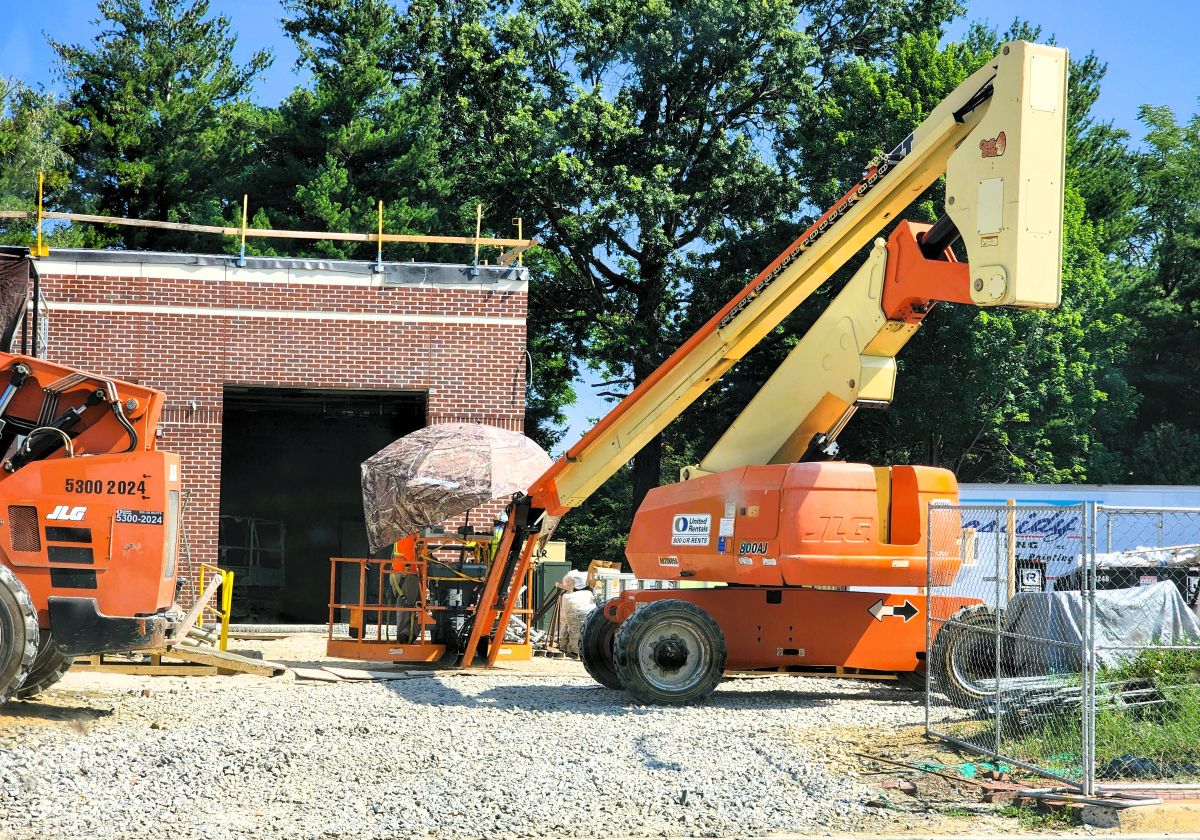
Extreme heat poses serious and unequal risks. Urban areas often experience higher temperatures due to the urban heat island effect, where pavement, buildings and limited tree cover trap heat. Children, older adults, outdoor workers, people with chronic health conditions, unhoused individuals and those without access to air conditioning face heightened danger during heat waves. Extreme heat can also worsen heart and lung conditions, increase emergency room visits, reduce worker productivity, damage roads and power systems and stress crops and livestock.
Delaware is taking steps to better understand and prepare for extreme heat. Recent efforts include urban heat mapping in Wilmington, improved tracking of heat-related illnesses and expanded access to community cooling centers. The Climate Action Plan outlines strategies to strengthen heat data and monitoring, improve public health coordination, expand cooling infrastructure, increase shade and green space and protect outdoor workers.
Below is a summary of extreme heat goals, strategies and actions from the 2025 Delaware Climate Action Plan (PDF). Download the plan for full context.
H1.1. Create a statewide heat exposure and urban heat island map that integrates social and public health data to establish a heat risk index for prioritizing adaptation actions.
H1.2. Explore using new and existing heat sensors through the Delaware Environmental Observing System (DEOS) at key locations, such as urban areas, to monitor temperatures and improve extreme heat alerts.
H1.3. Conduct heat vulnerability assessments focused on public transit riders and pedestrians, identifying opportunities for heat relief measures such as shade structures.
H1.4. Expand knowledge of extreme heat effects on worker health and safety by conducting a preliminary study to estimate Delaware’s workforce that is exposed to extreme heat and map concentration of outdoor or heat-prone workers throughout the state.
H1.5. Conduct vulnerability assessments on Delaware’s prisons and correctional facilities to address extreme heat exposure among incarcerated individuals.
H2.1. Work with Delaware Cooperative Extension to develop heat risk assessments for workers and crops. Incorporate into existing guidance for natural resource professionals and farmers.
H2.2. Conduct vulnerability studies to understand the impacts of extreme heat on poultry, livestock, fisheries and aquaculture.
H3.1. Continue to support collaborations with hospitals and emergency departments to improve data sharing on critical heat illness metrics such as My Healthy Community and the Heat-related Illness in Delaware Report.
H3.2. Reconvene the Delaware Climate + Health Conference to share findings and address climate change impacts exacerbating public and environmental health.
H3.3. Collaborate with professional associations to disseminate existing training materials on heat-related illnesses, prevention, identification and treatment prior to upcoming heat seasons.
H3.4. Work with partners to create brochures or posters for clinics and hospital waiting rooms with practical heat prevention messaging: hydration reminders, recognizing heat illness symptoms and safe medication management during extreme heat.
H3.5. Encourage medical providers to review patient medication lists – particularly for drugs that affect thermoregulation (e.g. SSRIs, diuretics) – to provide preventative counseling ahead of heat season.
H4.1. Incorporate community-building activities to engage residents in vulnerable neighborhoods and urban heat islands in the planning and creation of cooling centers that meet local needs.
H4.2. Prioritize outfitting designated cooling centers in vulnerable neighborhoods with cooling technology, like high-efficiency heat pumps.
H4.3. Ensure accessible information about heat-health and cooling options reaches vulnerable populations, such as older adults, houseless individuals and people living with disabilities.
H4.4. Improve communications from agencies to the public around cooling center opportunities with identifiable heat thresholds and protocols for activating heat relief services statewide.
H4.5. Increase resources and capacity to operate cooling centers to extend hours of relief as needed.
H5.1. Support collaboration to develop cool roof programs for buildings, bus stops and other structures.
H5.2. Evaluate opportunities to retrofit paved areas with reflective or cooling coatings and use sustainable materials in new construction.
H5.3. Increase availability of publicly accessible shade structures and water stations in parks, at transit stops and near sidewalks.
H5.4. Explore minimum shade requirements for new parking lots and car parks.
H6.1. Develop guidance and technical support for local land use laws that incorporate extreme heat mitigation and accelerate cooling strategies for outdoor environments, such as landscaping standards.
H6.2. Help municipalities create urban tree inventories and forestry plans emphasizing native species and long-term maintenance.
H6.3. Provide climate planning scenarios, including temperature projections to support heat-informed planning.
H7.1. Provide accessible public education, messaging and training in English, Spanish and Haitian Creole, focusing on recognizing symptoms of heat illness and prevention strategies, leveraging resources available through PrepareDE.
H7.2. Educate visitors at parks, wildlife areas, forests and historic sites about extreme heat risks and encourage protective measures.
H7.3. Provide education to homeowners and property managers about the value of tree canopies in reducing climate impacts such as heat.
H8.1. Expand outreach and participation in Delaware’s Weatherization Assistance Program and the Low-Income Home Energy Assistance Program (LIHEAP).
H8.2. Target tree planting and maintenance programs to urban heat islands.
H8.3. Pilot cool roof and cool street programs in areas with urban heat islands.
H8.4. Fund and support sustainable building design and redevelopment at brownfield sites, incorporating solar energy, native landscaping and ecological restoration to minimize heat impacts.
H8.5. Work with partners to advance cooling in place through educational materials and resource giveaways like air conditioning units and fans, for vulnerable communities.
H9.1. Review and update policies and regulations to improve outdoor worker safety during extreme heat.
H9.2. Identify and promote best practices to reduce heat risks in high-exposure industries such as agriculture, transportation and construction.
H9.3. Develop heat safety outreach materials for outdoor workers and ensure they are widely available to Delaware businesses.
Related Topics: actions, climate action plan, climate change, climate coastal energy, communities, fire, goals, greenhouse gas, heat, sea level rise, strategies, sustainability
Delaware's Governor
State Agencies
Elected Officials
General Assembly
Delaware Courts
State Employees
Cities & Towns
Delaware State Code
State Regulations
Business First Steps
Phone Directory
Locations Directory
Public Meetings
Voting & Elections
Transparency
Health Insurance
Tax Center
Personal Income Tax
Privacy Policy
Weather & Travel
Contact Us
Corporations
Franchise Tax
Gross Receipts Tax
Withholding Tax
Delaware Topics
Help Center
Mobile Apps
E-mail / Text Alerts
Social Media


Built by the Government Information Center
©MMXXVI Delaware.gov