DNREC Menu

Delaware is facing a growing range of climate-driven hazards beyond heat and flooding. In recent years, the state has experienced stronger storms, longer droughts, increased wildfire risk, emerging health threats and changes to coastal waters. Events like Tropical Storm Isaias in 2020 — which produced the longest-tracking tornado in Delaware in more than 70 years — highlight how climate change is intensifying weather extremes and introducing hazards that were once rare in the region.
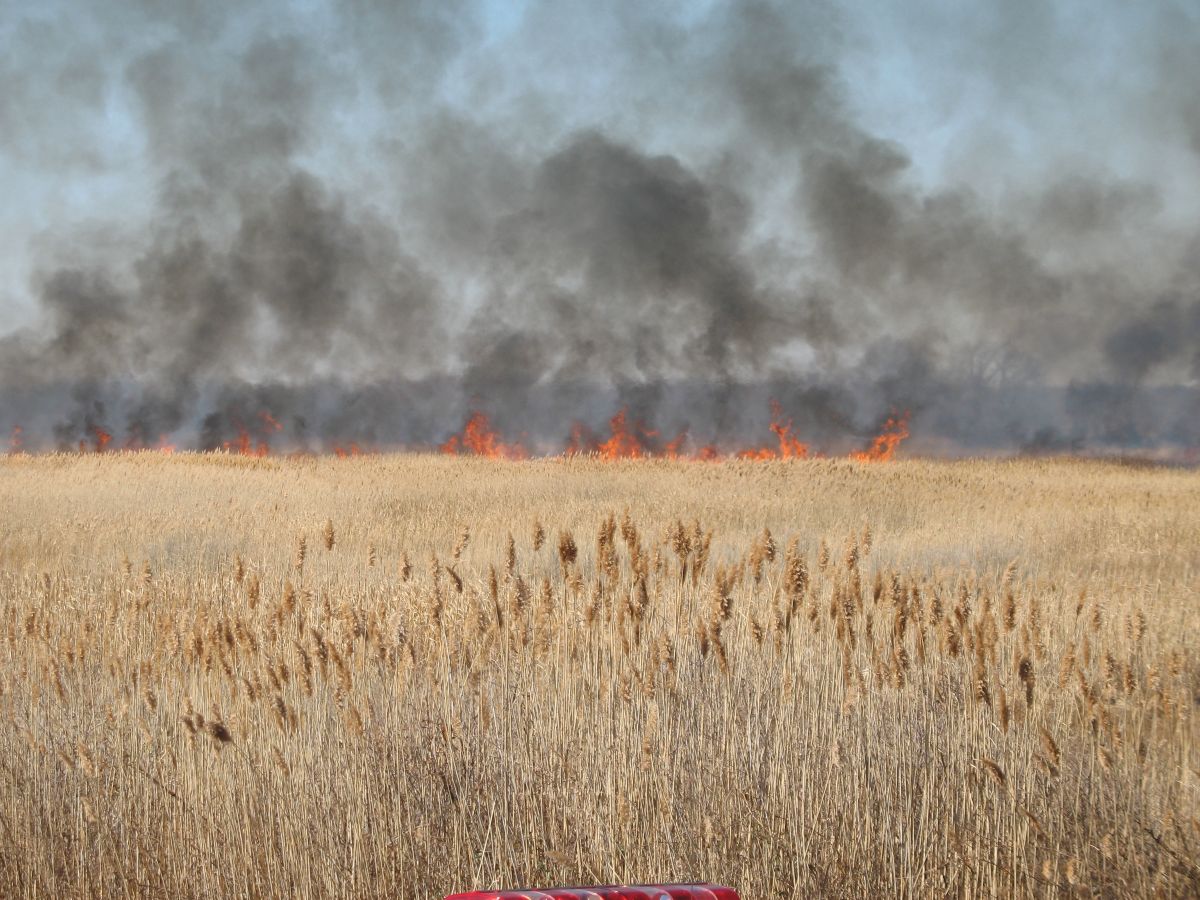
Drought, wildfire and extreme weather pose increasing risks to public safety, ecosystems, infrastructure and water supplies. Delaware has experienced more frequent droughts since 1950, with hotter temperatures worsening water stress and wildfire conditions. While wildfire risk remains relatively low statewide, drought, invasive plants and storm debris can increase fuel loads, particularly in wetland and coastal areas. At the same time, tornadoes, coastal storms and hurricanes are becoming more frequent and intense, increasing damage from wind, flooding and power outages across both coastal and inland communities.
Climate change is also affecting public health and natural systems. Warmer temperatures and longer growing seasons are expanding the range of ticks and mosquitoes, increasing the risk of diseases like Lyme disease and West Nile virus, while invasive species threaten ecosystems and agriculture. Rising carbon dioxide levels are driving ocean and coastal acidification, which can harm shellfish, fisheries and coastal economies. The Climate Action Plan outlines strategies to improve monitoring, strengthen emergency communication, protect water resources, manage wildfire and invasive species risks and expand research and planning for ocean acidification.
Below is a summary of emergent hazard goals, strategies and actions from the 2025 Delaware Climate Action Plan (PDF). Download the plan for full context.
D1.1. Support water supply management committees and programs, including those overseeing agricultural irrigation, to manage water sources under future climate conditions.
D1.2. Maintain forums, such as the agriculture irrigation well advisory committee, for partner organizations to address irrigation challenges.
D1.3. Develop county-level drought indicators and metrics to determine drought cessation, enabling targeted monitoring of water tables and reservoirs.
D1.4. Integrate drought emergency plans into future water allocation permits with provisions for emergency supply purchases and established interconnection/distribution processes.
D2.1. Increase the visibility and functionality of the Drought Resources Page hosted by the Delaware Climate Office at the University of Delaware to raise public awareness of drought preparedness and water conservation efforts.
D2.2. Continue geospatial analyses to map water infrastructure and assess drought vulnerabilities.
D2.3. Research water demand trends, including potential increases from longer growing seasons and greater landscape irrigation.
D2.4. Provide trainings through the agriculture irrigation well advisory committee, on how to best use the Delaware Irrigation Management System, as well as other tools and best practices related to irrigation management.
F1.1. Use existing research, state agency expertise, the Delaware Prescribed Fire Council and Indigenous Knowledge to create Delaware-specific best management practices to reduce wildfire fuel load through prescribed burns.
F1.2. Conduct wildfire risk assessments to better understand the relationship between wildfire risk and energy infrastructure.
F2.1. Work with the Delaware Prescribed Fire Council, public and private partners to expand prescribed fire programs for wildfire reduction and invasive species management, focusing on fuel breaks and buffers at wildland and urban interfaces.
F3.1. Adapt policies to promote best practices in fire management while protecting the wildland fire workforce by scaling up equipment and firefighting personnel.
F3.2. Increase awareness of community wildfire protection plans and provide technical assistance to assist communities with plan development.
F3.3. Work with the Delaware Prescribed Fire Council and DNREC Division of Air Quality to evaluate and implement best communication practices for informing the public about smoke conditions.
S1.2. Enhance accessible warning systems, public alerts and emergency communications to increase reach and effectiveness.
S1.3. Develop standardized procedures for impacts and responses to ensure continuity of operations for critical facilities and government agencies during disasters.
S2.1. Expand monitoring by the Center for Environmental Monitoring and Analysis (CEMA) and the Office of the State Climatologist to track frequency and severity of tropical and extratropical cyclones and tornadoes in the mid-Atlantic region.
S3.1. Increase invasive species monitoring and management in habitats disturbed by tornadoes.
V1.1. Increase awareness of human health impacts associated with livestock diseases and mortality.
V1.2. Develop accessible educational materials, including information in English, Spanish and Haitian Creole, on tick safety, mosquito control and the connection between warmer winters and insect-borne illness.
V2.1. Expand tick testing to include a broader range of tick-borne illnesses in Delaware to better track and prevent transmission to humans in the state.
V2.2. Conduct needs assessments with local health providers and public health clinics to strengthen preparedness for emerging disease risks.
V3.1. Continue to use and improve biological indicators to track changes in Delaware’s ecosystems and wildlife.
V3.2. Increase the scope and frequency of pest and invasive species monitoring and implement management plans as needed.
V3.3. Conduct scenario planning for longer mosquito breeding seasons and rising nuisance wildlife complaints.
OCA1.1. Expand continuous, high-resolution coastal acidification monitoring, particularly near shorelines. Collaborate with the Mid-Atlantic Coastal Acidification Network and regional partners to ensure consistency, establish a data repository and improve understanding of long-term acidification.
OCA1.2. Conduct ocean and coastal acidification vulnerability assessments for shellfisheries, aquaculture and related industries, such as tourism and seafood processing.
OCA1.3. Identify gaps in monitoring, policies and regulations addressing the drivers of ocean and coastal acidification.
OCA2.1. Develop an ocean acidification action plan to guide actions addressing fisheries, aquaculture and ocean resilience.
Delaware's Governor
State Agencies
Elected Officials
General Assembly
Delaware Courts
State Employees
Cities & Towns
Delaware State Code
State Regulations
Business First Steps
Phone Directory
Locations Directory
Public Meetings
Voting & Elections
Transparency
Health Insurance
Tax Center
Personal Income Tax
Privacy Policy
Weather & Travel
Contact Us
Corporations
Franchise Tax
Gross Receipts Tax
Withholding Tax
Delaware Topics
Help Center
Mobile Apps
E-mail / Text Alerts
Social Media


Built by the Government Information Center
©MMXXVI Delaware.gov