DNREC Menu

Building state resilience to established and emerging hazards through climate adaptation is critical to safeguarding Delaware’s communities, economy and environment for generations to come. Climate adaptation is a continuous process that can protect people, places and infrastructure; accommodate changing conditions; avoid future risk; and help communities strategically retreat from areas that cannot be safely protected.
Delaware faces a unique set of climate challenges shaped by its low-lying coastal geography. The state’s most urgent hazards include extreme heat, multiple forms of flooding and sea-level rise driven by rising temperatures, development patterns and changing precipitation patterns. Climate change is also creating emerging threats that were once infrequent but are expected to intensify, such as increased wildfire risk, prolonged drought, ocean and coastal acidification, more frequent extreme weather, invasive species and expanding vector-borne diseases.
Compounding climate risks occur when multiple climate hazards and stressors interact and amplify each other, leading to cascading effects. As climate change continues to intensify, Delaware can expect to experience more compounding risks. For example, an extreme heat wave that occurs during a drought could exacerbate heat stress on crops, strain water supplies and create ideal conditions for wildfires. Compounding climate risks can be particularly dangerous when extreme events coincide with or follow one another, straining emergency response and impacting vulnerable populations most acutely.
While there is no one-size-fits-all solution, strategic action on climate adaptation delivers measurable returns. Research from the U.S. Chamber of Commerce shows that every dollar invested in climate resilience and disaster preparedness saves communities $13 in avoided economic losses. Beyond financial benefits, holistic adaptation solutions can address multiple hazards simultaneously while generating co-benefits such as improved public health, enhanced ecosystem services and stronger social cohesion.
Long-term resilience will depend on sustained coordination, adequate resources and a shared commitment to building a more resilient Delaware.

Find strategies that protect Delawareans from extreme heat, improve cooling access and make communities safer during hotter days.
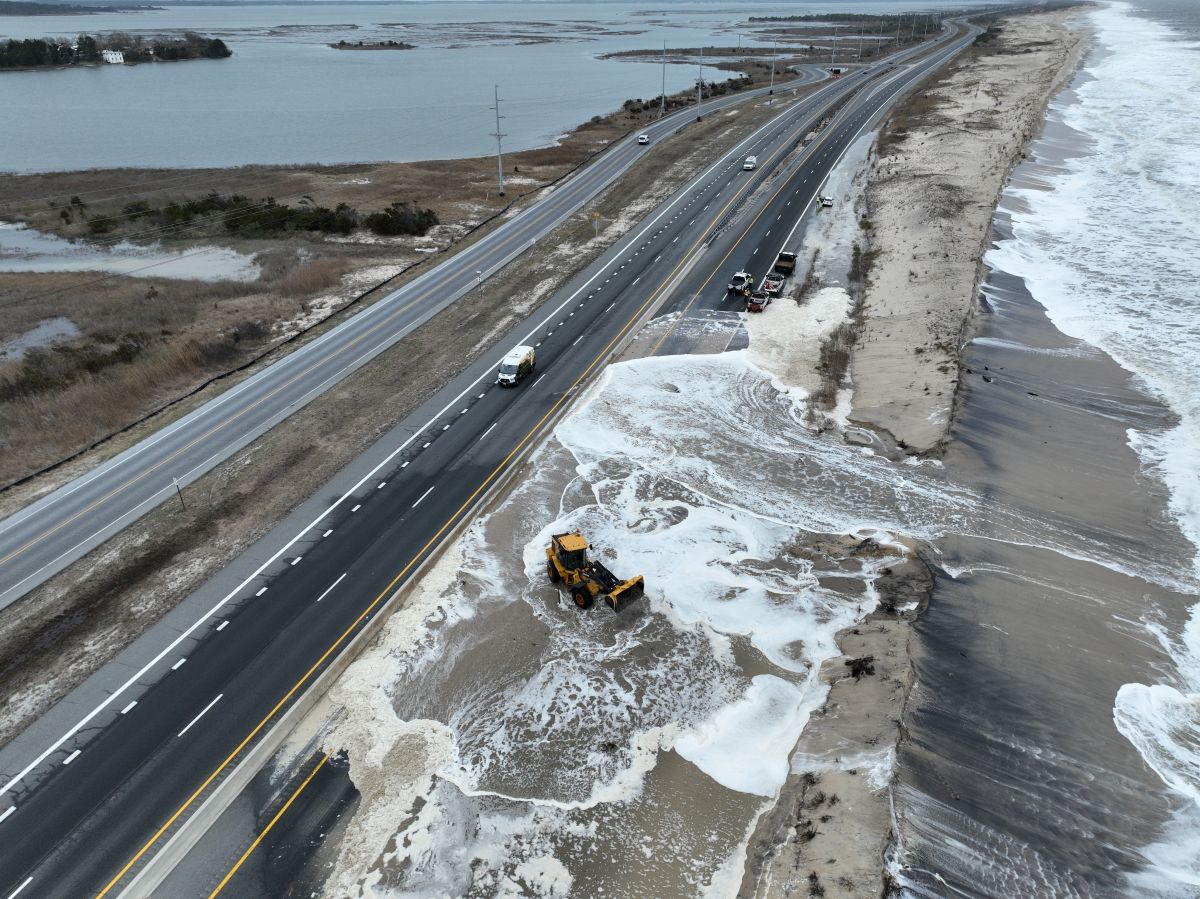
Find strategies that protect Delaware communities from flooding, preserve wetlands and shorelines and prepare residents for rising seas, heavier rainfall and extreme storm events.
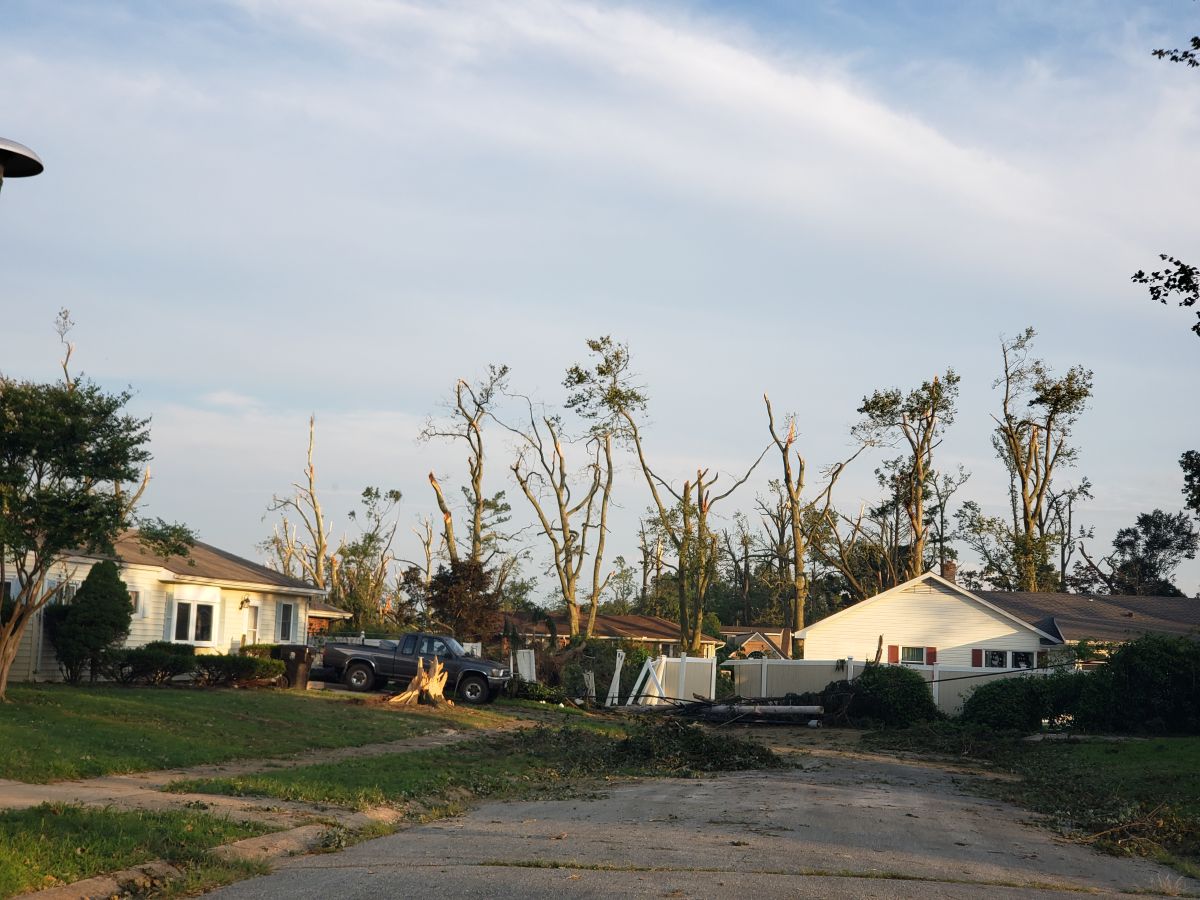
Find strategies that prepare Delaware against more emergent threats, including drought, wildfires, vector-borne diseases, ocean acidification and extreme weather.
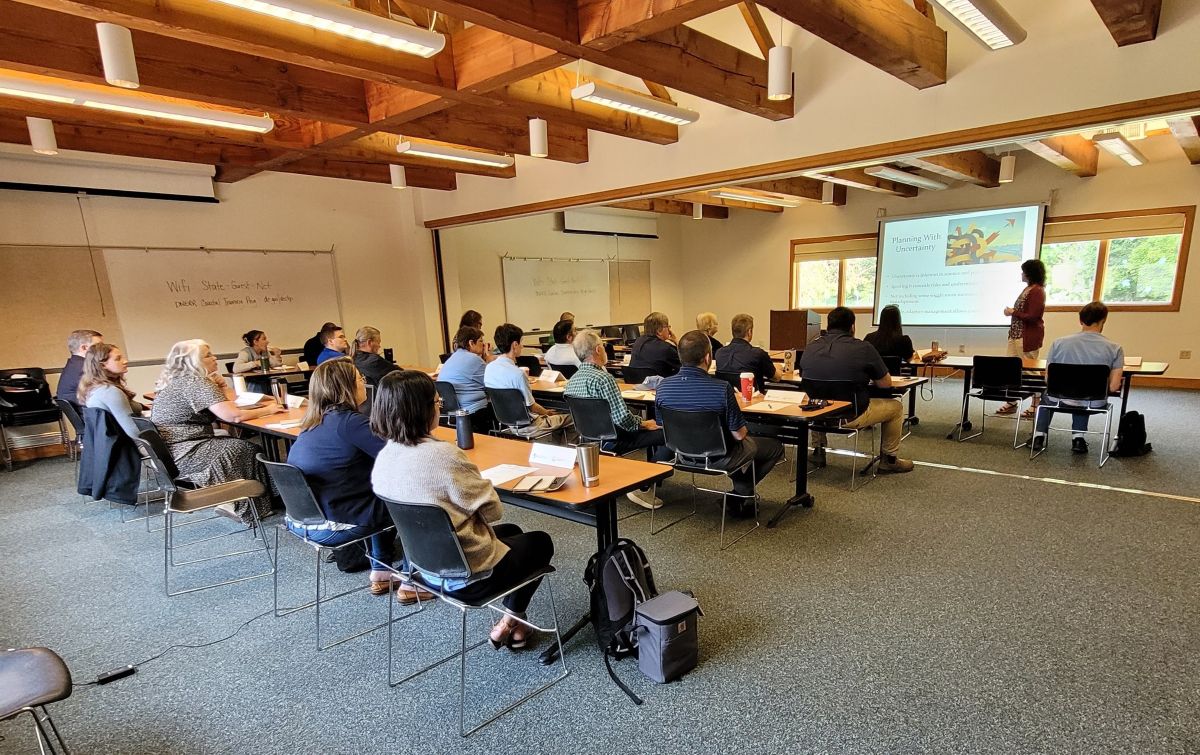
Find strategies that help Delaware strengthen resilience by addressing multiple hazards, enhancing infrastructure and supporting communities through partnerships, data and education.
Delaware's Governor
State Agencies
Elected Officials
General Assembly
Delaware Courts
State Employees
Cities & Towns
Delaware State Code
State Regulations
Business First Steps
Phone Directory
Locations Directory
Public Meetings
Voting & Elections
Transparency
Health Insurance
Tax Center
Personal Income Tax
Privacy Policy
Weather & Travel
Contact Us
Corporations
Franchise Tax
Gross Receipts Tax
Withholding Tax
Delaware Topics
Help Center
Mobile Apps
E-mail / Text Alerts
Social Media


Built by the Government Information Center
©MMXXVI Delaware.gov