DNREC Menu

Reducing Delaware’s greenhouse gas emissions to nearly zero by 2050 is essential to avoid the worst impacts of climate change. The Climate Change Solutions Act of 2023 sets clear statewide emission reduction targets: a 50% reduction by 2030 and net-zero emissions by 2050, compared to a 2005 baseline. Reaching these goals, however, will require both rapid emission reductions from existing sources and investments in enhancing carbon sequestration from wetlands, forests and agricultural lands.
The Act also directs the Climate Action Plan to recommend legislative, regulatory and policy actions needed to achieve these goals.
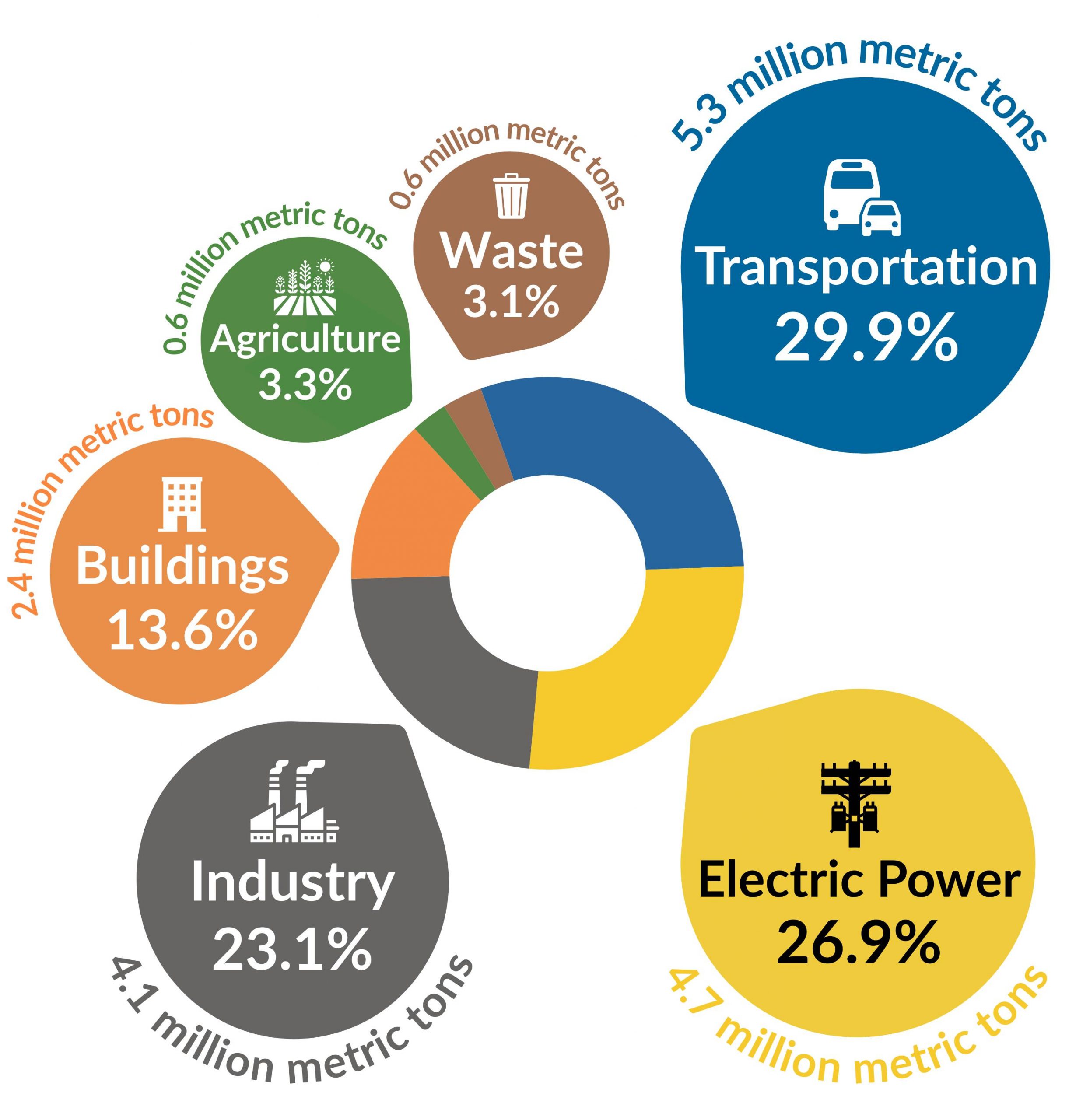
Delaware tracks its emissions reductions progress through its annual greenhouse gas inventory. In 2021, Delaware’s largest sources of emissions were transportation, industrial facilities and electricity generation, with transportation contributing nearly 30% of emissions. Smaller sources such as agriculture, solid waste and wastewater together account for six to eight percent of emissions.
Between 2005 and 2021, Delaware reduced net emissions by nearly 24%, primarily through changes in the electricity sector, including switching from coal to natural gas and implementing programs like the Regional Greenhouse Gas Initiative and Renewable Energy Portfolio Standards. While emissions rose slightly between 2020 and 2021 due to the post-COVID-19 pandemic economic rebound, Delaware continues to pursue a path of strategic, sector-specific actions to drive emissions downward and meet its 2030 and 2050 targets.
Delaware modeled its path toward net-zero greenhouse gas emissions by 2050 using scenario-based emissions projections. Two scenarios were analyzed: a reference case, where current policies continue, and a “path toward net-zero” case, which assumes the implementation of additional economy-wide policies and programs.
These models account for population and economic growth, energy use across sectors and sectoral interconnections, providing a clear picture of the actions needed to achieve the state’s emission reduction targets. Federal policies are also considered, though ongoing regulatory changes create uncertainty.
Under existing policies alone, Delaware is projected to reduce net emissions by 36% by 2030 and 54% by 2050, compared with 2005 levels. These reductions are driven primarily by clean energy deployment, energy efficiency and vehicle electrification, while industrial emissions are projected to decline only modestly.
The modeling highlights that, while progress will continue, additional actions are needed to close the gap to net-zero.
With additional policies and programs, such as accelerated renewable energy adoption, industrial energy efficiency, building and vehicle electrification and expanded carbon sequestration in wetlands, forests and farmland, Delaware could reduce net emissions by 96.4% by 2050.
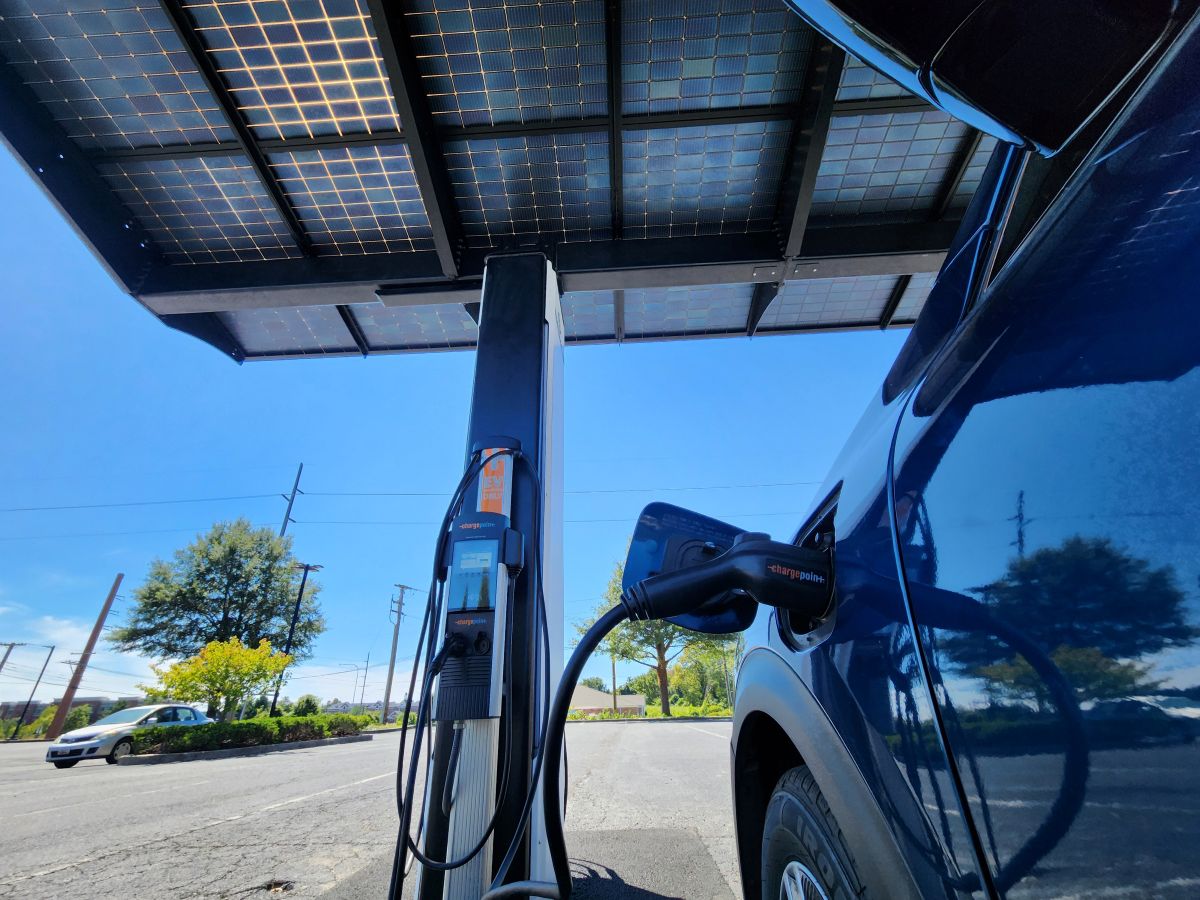
Find strategies to cut transportation emissions, expand travel options and support cleaner, safer communities.
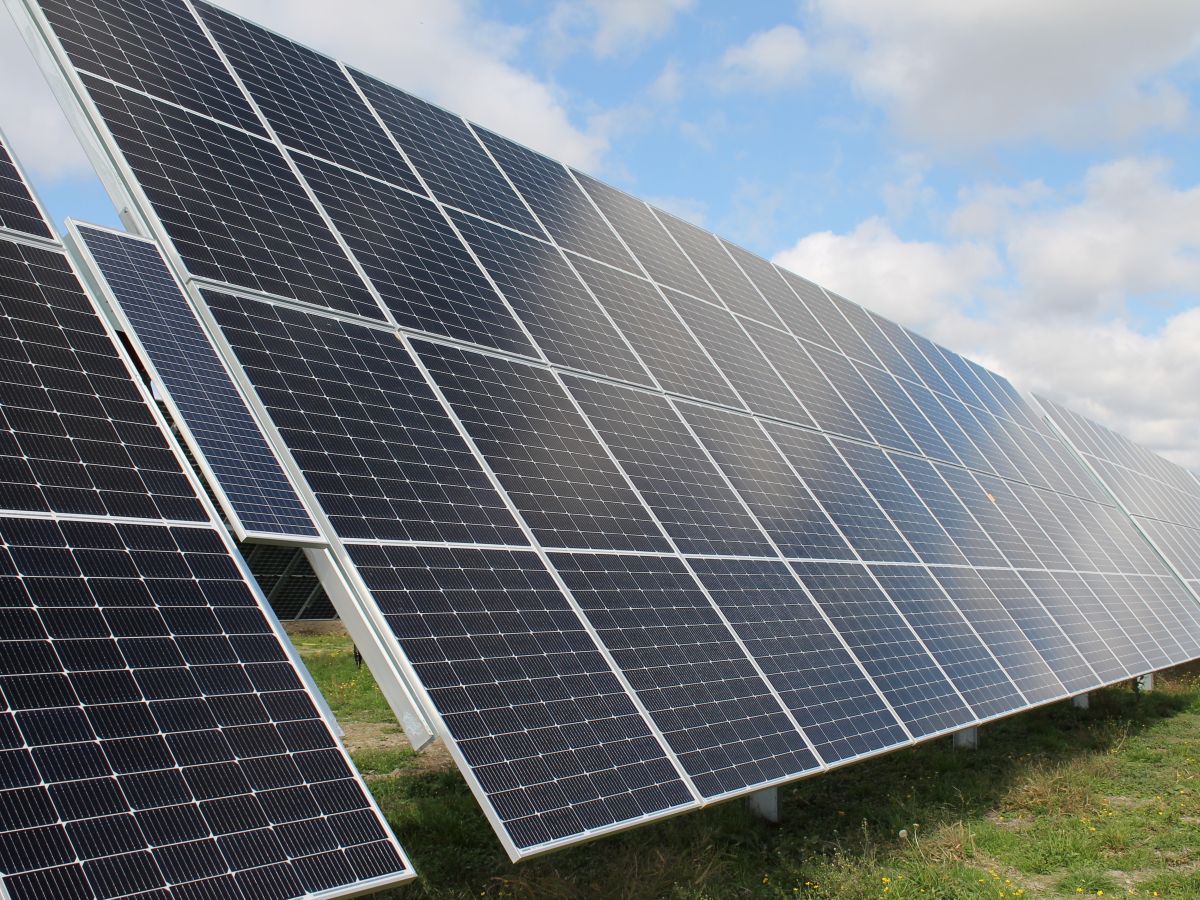
Find strategies that support clean energy growth and strengthen Delaware’s electric grid.
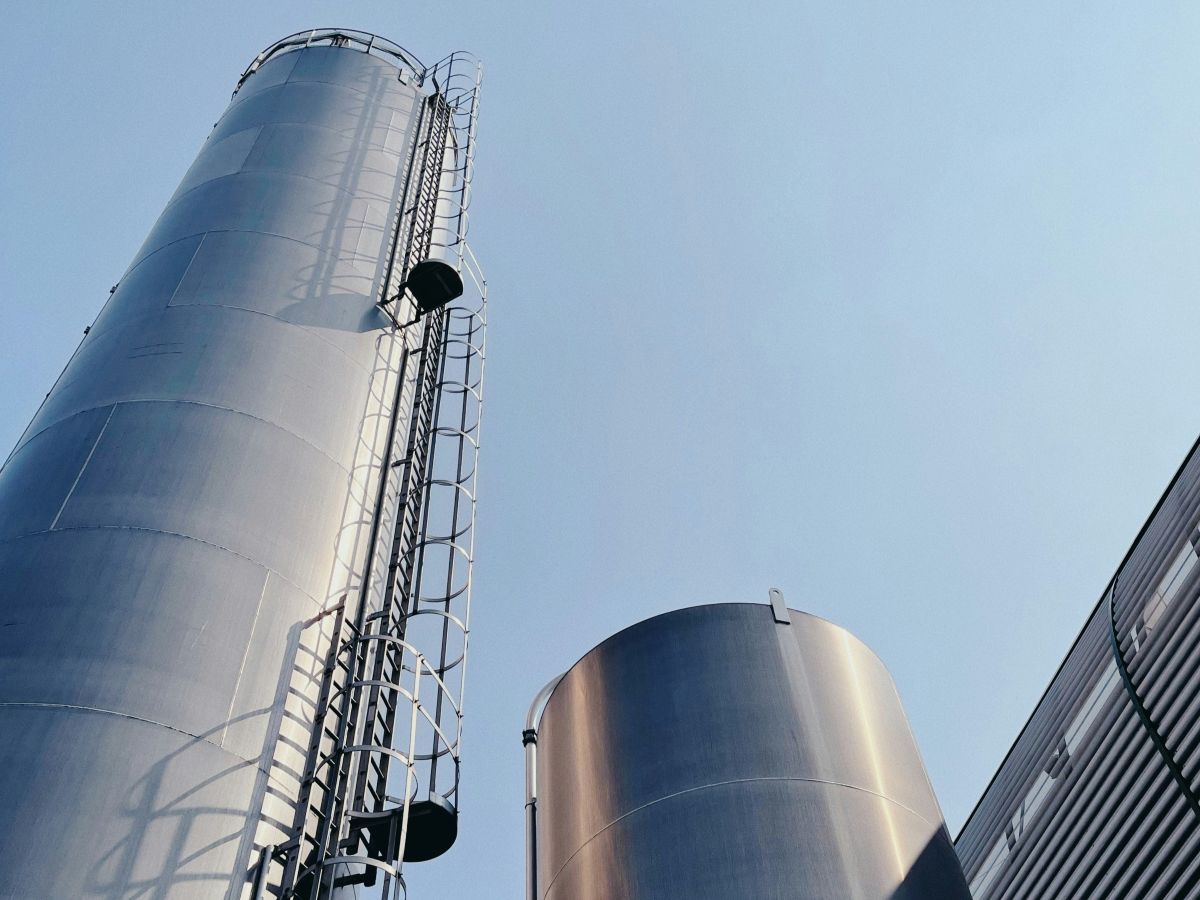
Find strategies that promote decarbonization and improve energy efficiency across Delaware’s industrial operations.
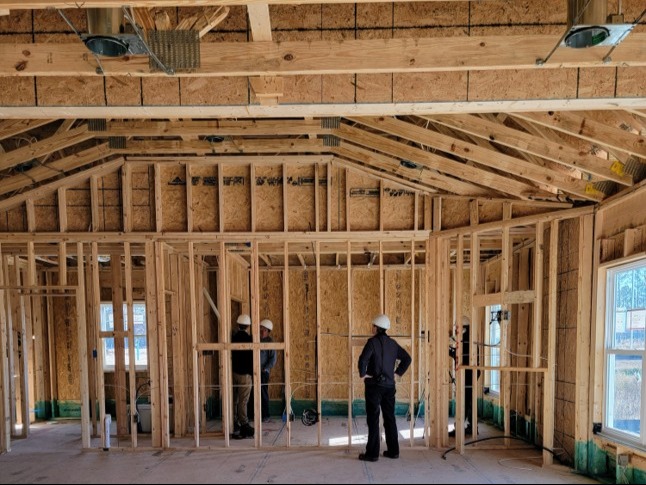
Find strategies that promote electrification and energy efficiency in Delaware homes and businesses.

Find strategies to conserve forests, plant more trees and enhance green spaces across Delaware.

Find strategies to conserve wetlands, strengthen coastal resilience and support healthy marine ecosystems.
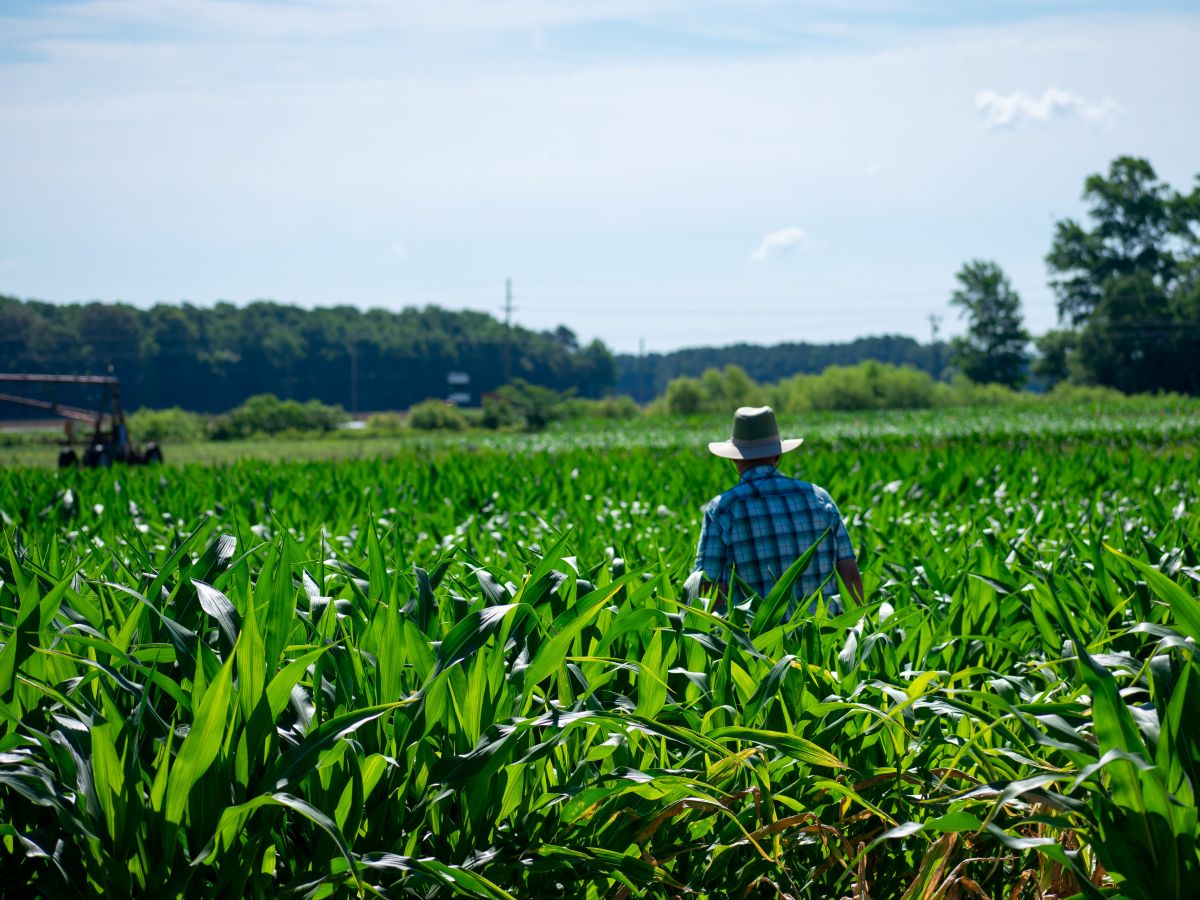
Find strategies that reduce emissions, enhance carbon storage and support sustainable farming in Delaware’s croplands, livestock operations and pasturelands.
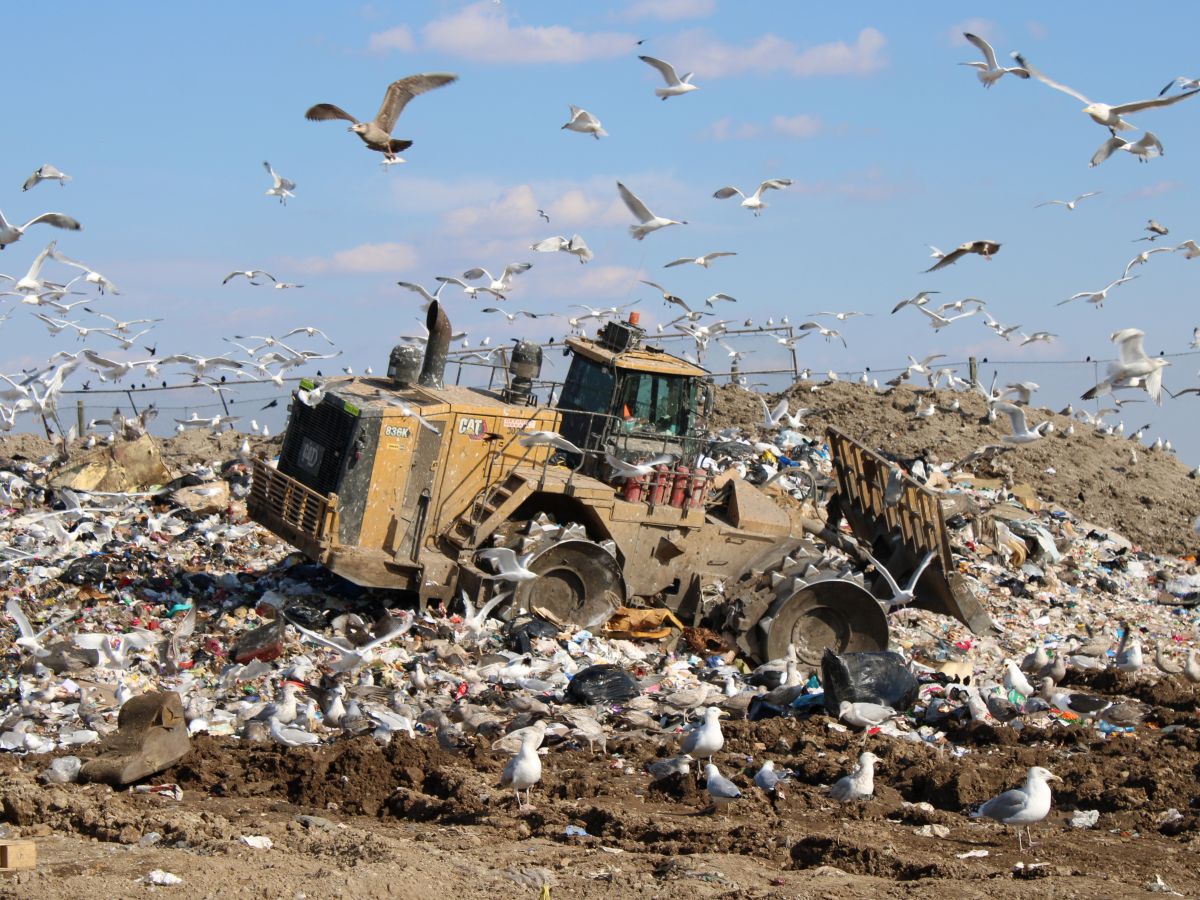
Find strategies that reduce emissions, improve recycling and composting and enhance energy efficiency at Delaware’s landfills and wastewater facilities.
Delaware's Governor
State Agencies
Elected Officials
General Assembly
Delaware Courts
State Employees
Cities & Towns
Delaware State Code
State Regulations
Business First Steps
Phone Directory
Locations Directory
Public Meetings
Voting & Elections
Transparency
Health Insurance
Tax Center
Personal Income Tax
Privacy Policy
Weather & Travel
Contact Us
Corporations
Franchise Tax
Gross Receipts Tax
Withholding Tax
Delaware Topics
Help Center
Mobile Apps
E-mail / Text Alerts
Social Media


Built by the Government Information Center
©MMXXVI Delaware.gov