DNREC Menu

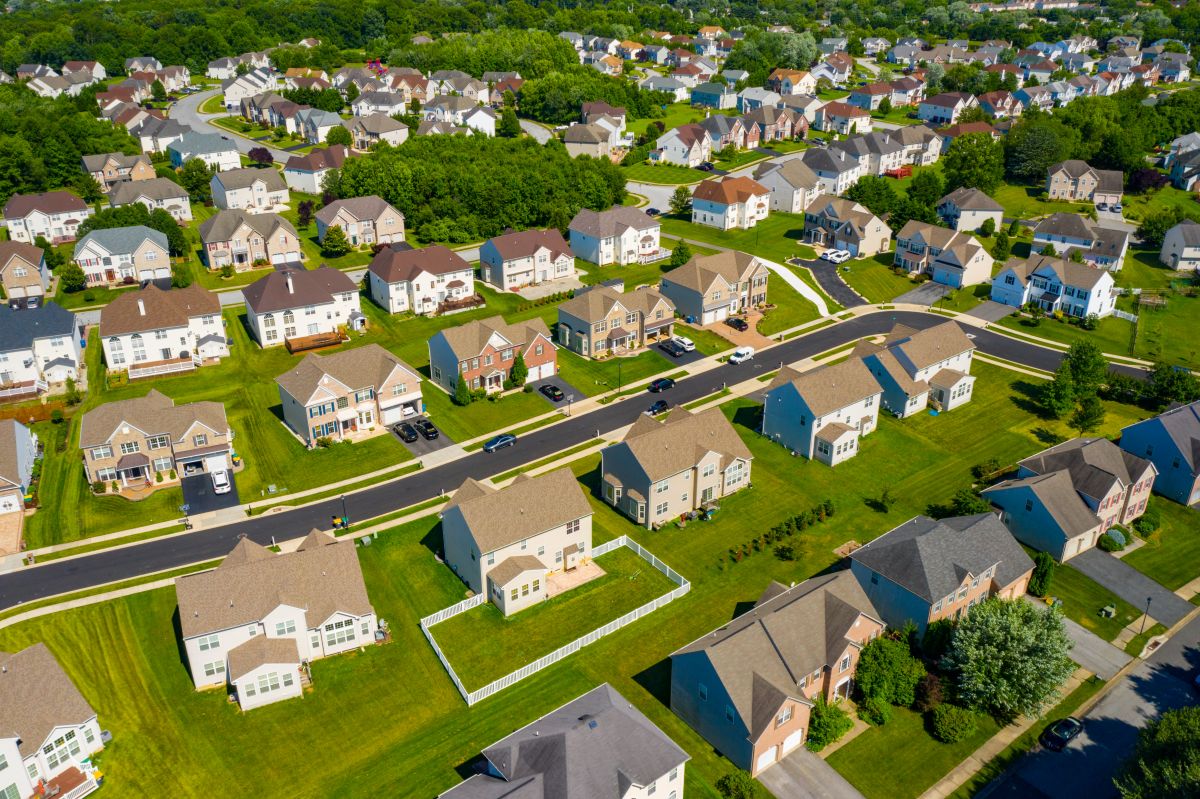
Land use patterns and practices have a powerful intersection with climate change in Delaware. Patterns of growth and development influence current and future greenhouse gas emissions in the transportation, buildings and electricity sectors. They also determine whether the state can maximize carbon storage in natural lands.
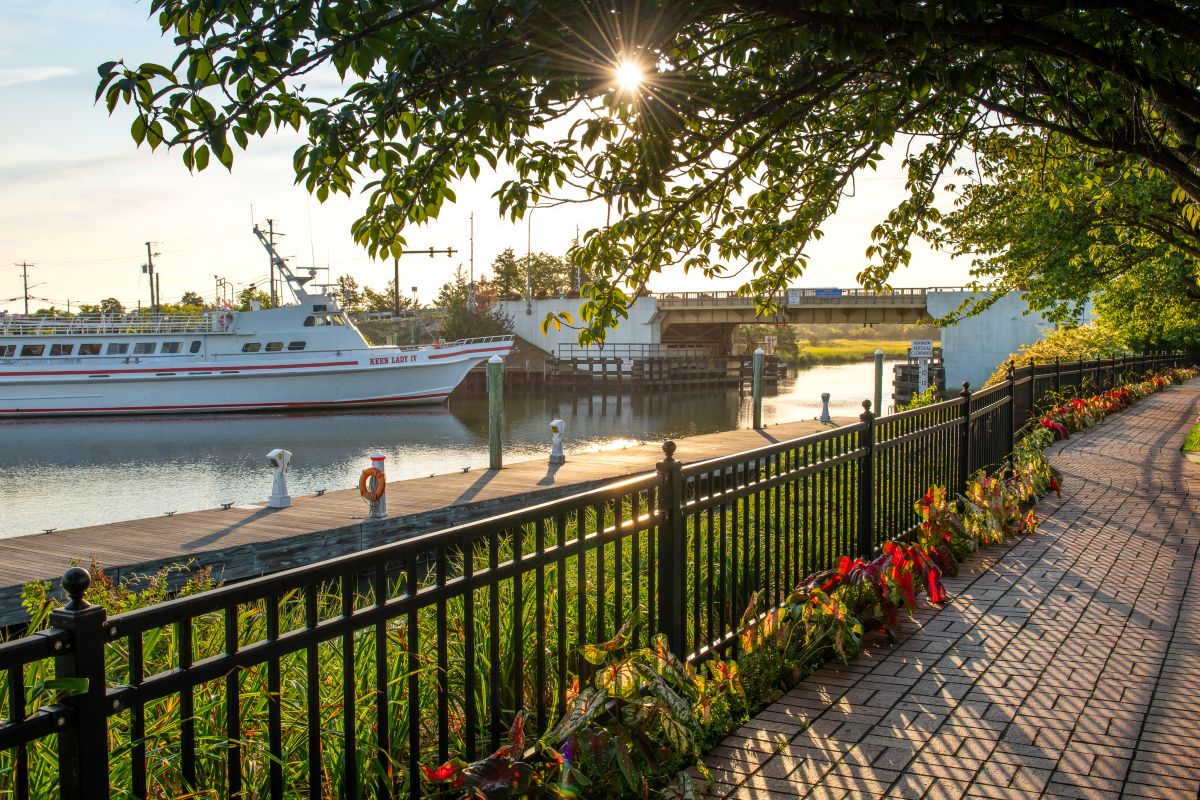
Decisions about where to locate homes and businesses also define the state’s flood vulnerability, communities’ disaster recovery capacity and ultimately Delaware’s potential exposure to losses from climate impacts.
Improved land use practices can be a solution for not only climate change, but also the severe housing shortage, protection of farmland and natural areas, and traffic congestion. There are four primary opportunities to meet these challenges:
The opportunities for land use practices outlined above are reflected throughout the 2025 Delaware Climate Action Plan and specifically in the following strategies:
Related Topics: actions, climate action plan, climate change, climate coastal energy, development, flooding, greenhouse gas, land-use, sea level rise, sustainability
Delaware's Governor
State Agencies
Elected Officials
General Assembly
Delaware Courts
State Employees
Cities & Towns
Delaware State Code
State Regulations
Business First Steps
Phone Directory
Locations Directory
Public Meetings
Voting & Elections
Transparency
Health Insurance
Tax Center
Personal Income Tax
Privacy Policy
Weather & Travel
Contact Us
Corporations
Franchise Tax
Gross Receipts Tax
Withholding Tax
Delaware Topics
Help Center
Mobile Apps
E-mail / Text Alerts
Social Media


Built by the Government Information Center
©MMXXVI Delaware.gov