DNREC Menu

Delaware’s path to a resilient, net-zero future depends on a skilled workforce ready to drive the clean energy transition. Meeting the state’s climate goals requires training workers for emerging technologies in renewable energy, energy efficiency and sustainable building, as well as reskilling those in existing occupations.
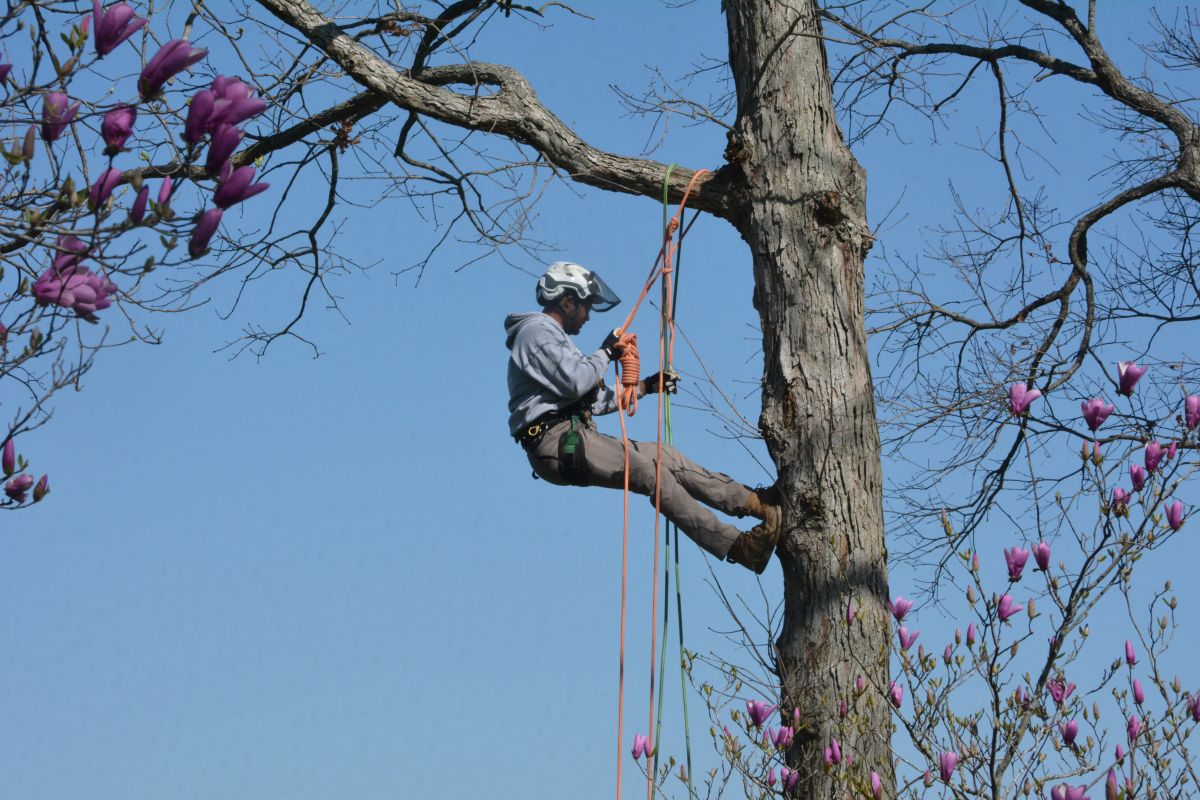
Clean energy jobs are growing nationwide at more than twice the rate of overall job growth and offer higher wages and benefits, giving Delaware an opportunity to expand well-paying employment while advancing climate progress. From solar and wind energy to electric vehicle infrastructure and building electrification, preparing a workforce equipped for these technologies is critical to the state’s economic and environmental success.
According to a 2024 assessment commissioned by DNREC, over 12,400 Delaware workers are employed in clean energy and climate-related fields, with the largest share in energy efficiency. While this shows a strong foundation, targeted investment is needed to scale up the workforce for offshore wind, battery storage, hydrogen production and other emerging sectors. Successful workforce development also requires supportive services, including childcare, transportation, mentoring and equity-focused recruitment, to ensure underserved communities benefit from job growth.
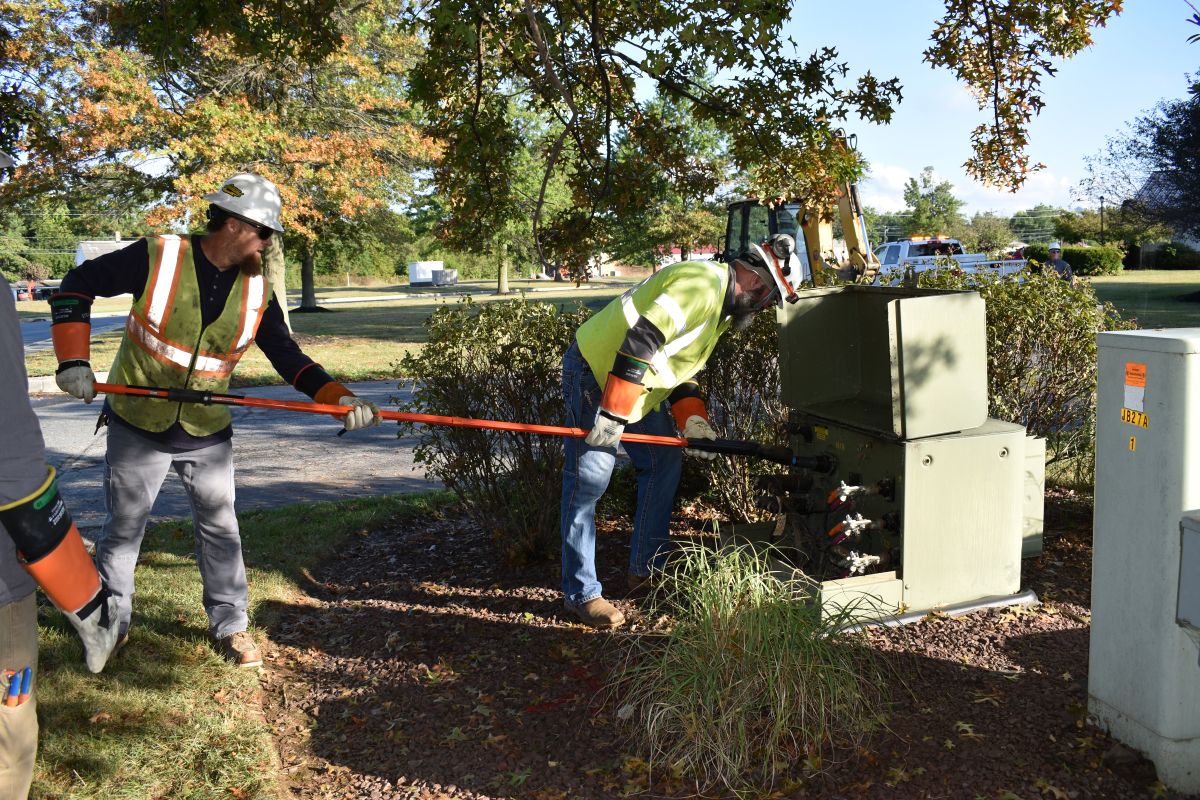
While demand for clean energy jobs is projected to rise sharply, critical gaps will still remain in skilled trades such as construction, electricians, HVAC technicians and specialized clean energy roles. By 2030, Delaware could face shortages of 10 to 31 percent in key occupations if training programs and recruitment pipelines are not expanded. Similar challenges exist in agriculture, forestry and urban tree management, where an aging workforce requires new pathways for younger workers.
To address these needs, Delaware must take a comprehensive approach that blends education, equity and support systems together. The 2024 assessment contains a series of recommendations, developed from a robust stakeholder process, which include:
Governor Matt Meyer’s Executive Order #1 further supports youth apprenticeships and earn-and-learn opportunities, giving young people hands-on experience in clean energy and high-demand sectors. Together, these efforts aim to build a skilled, resilient and inclusive workforce ready to power Delaware’s clean energy future.
Related Topics: actions, clean energy, climate action plan, climate change, climate coastal energy, greenhouse gas, jobs, labor, sea level rise, sustainability, workforce
Delaware's Governor
State Agencies
Elected Officials
General Assembly
Delaware Courts
State Employees
Cities & Towns
Delaware State Code
State Regulations
Business First Steps
Phone Directory
Locations Directory
Public Meetings
Voting & Elections
Transparency
Health Insurance
Tax Center
Personal Income Tax
Privacy Policy
Weather & Travel
Contact Us
Corporations
Franchise Tax
Gross Receipts Tax
Withholding Tax
Delaware Topics
Help Center
Mobile Apps
E-mail / Text Alerts
Social Media


Built by the Government Information Center
©MMXXVI Delaware.gov