DNREC Menu
Outdoor Delaware is the award-winning online magazine of the Delaware Department of Natural Resources and Environmental Control. Articles and multimedia content are produced by the DNREC Office of Communications.
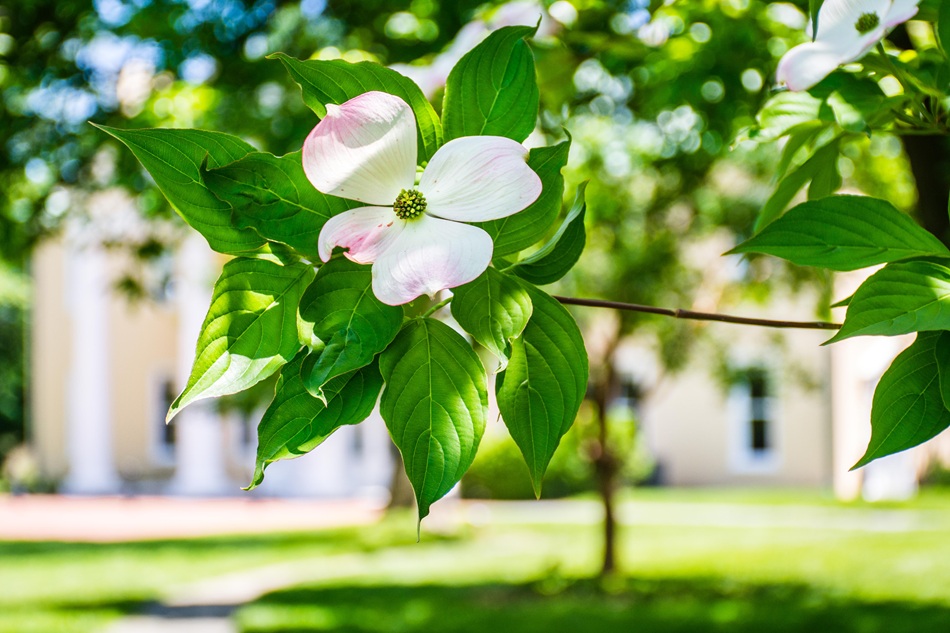
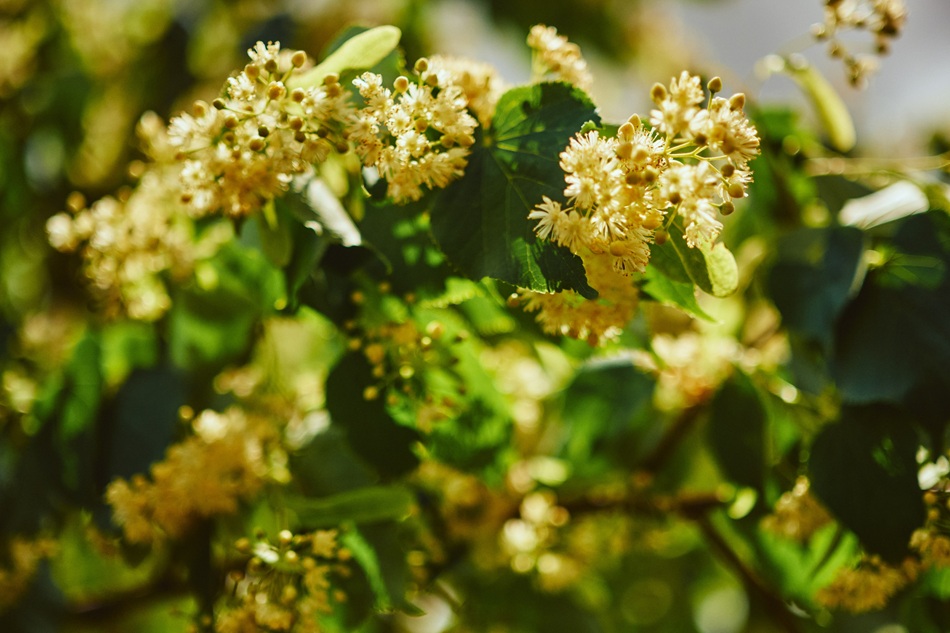
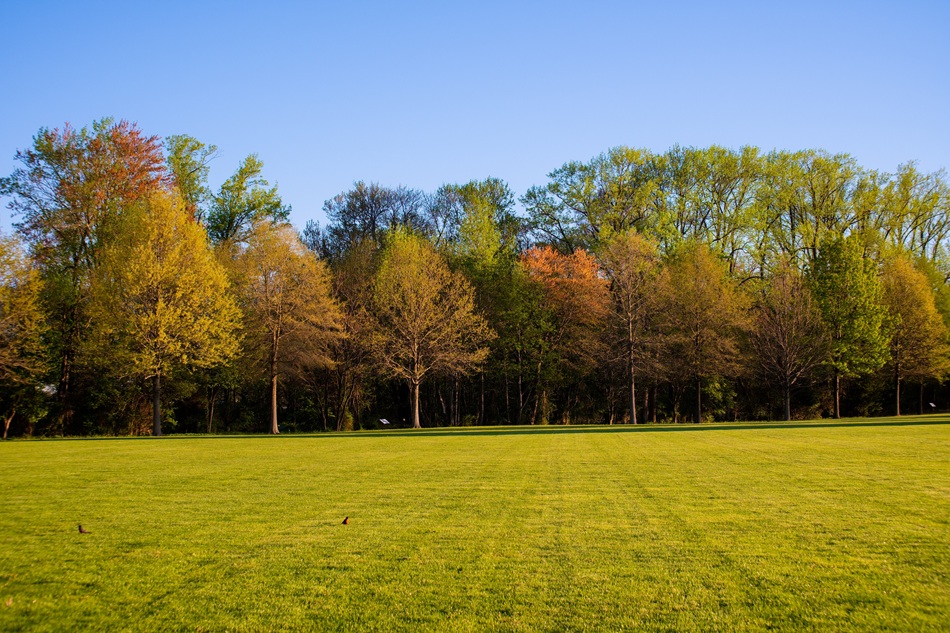
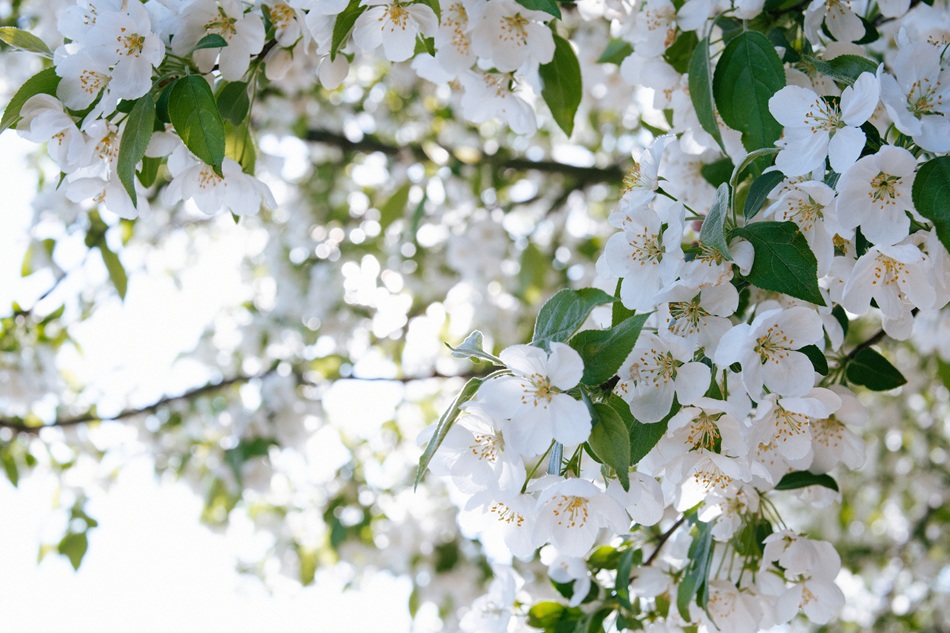
Delaware comes alive every spring. The reemergence of life and color after months of cold and gray are a welcome relief that serve as a poignant reminder of how cyclical nature is. While the First State is small, it’s got plenty of beautiful outdoor spots replete with trees, bushes and flowers to dazzle the eye.
This photo essay from Outdoor Delaware provides a brief look at a few of these places, from parks to the courtyard of an office building — a clear illustration of how beauty can be found anywhere if one only knows how to look.
All the highlighted locations are open to the public and all except the DNREC office are great places to visit on a warm, sunny day. You could always make it a day trip and knock off several locations at once. Considering inviting someone to accompany you as well. And feel free to share your favorite spring sites with us.
Delaware’s largest urban park is one of three components of Wilmington State Parks. It’s famous locally for its Japanese cherry trees, which were donated in 1929 by Delawarean J. Ernest Smith. The trees come into bloom every spring, allowing residents to view this unique and beautiful sight without traveling all the way to Japan (or at least Washington, D.C.). Don’t miss the majestic Josephine Fountain either. Built in the 1930s by Smith in memory of his late wife (three guesses as to her name) it was modeled after a fountain built in Italy some 400 years earlier.


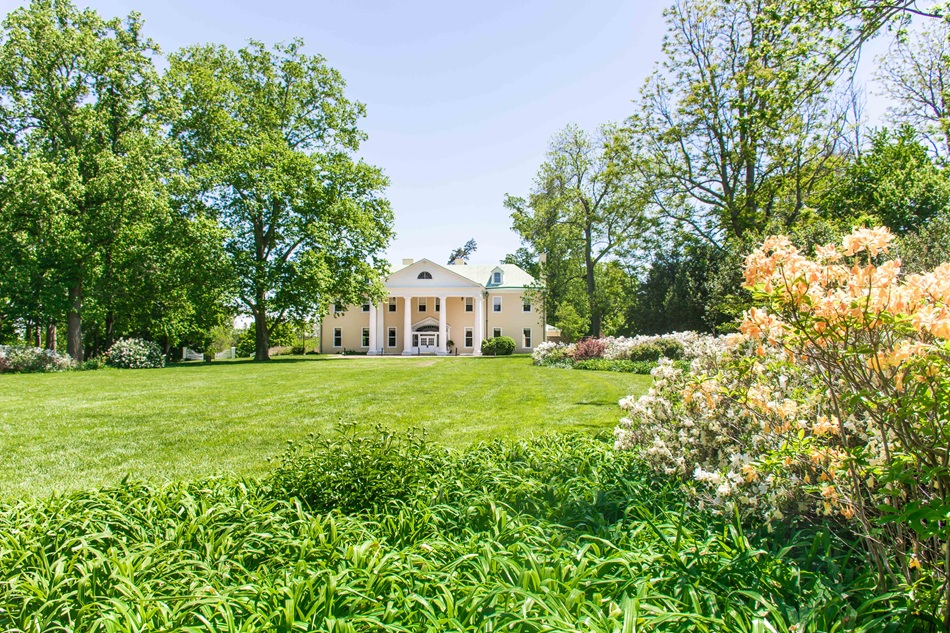
Once home to a small Swedish agricultural community, Bellevue State Park has on its premises a majestic 19th century house. Built in 1855 by a Philadelphia merchant in gothic revival style, Woolton Hall was later owned by William du Pont Jr., a prominent horseracing fan. He expanded and renovated the home, eventually renamed Bellevue Hall, to give it its current neo-classical look while also adding stables and a track. Today, the Wilmington-area park is one of the most picturesque places in Delaware, making it popular for weddings and other ceremonies.
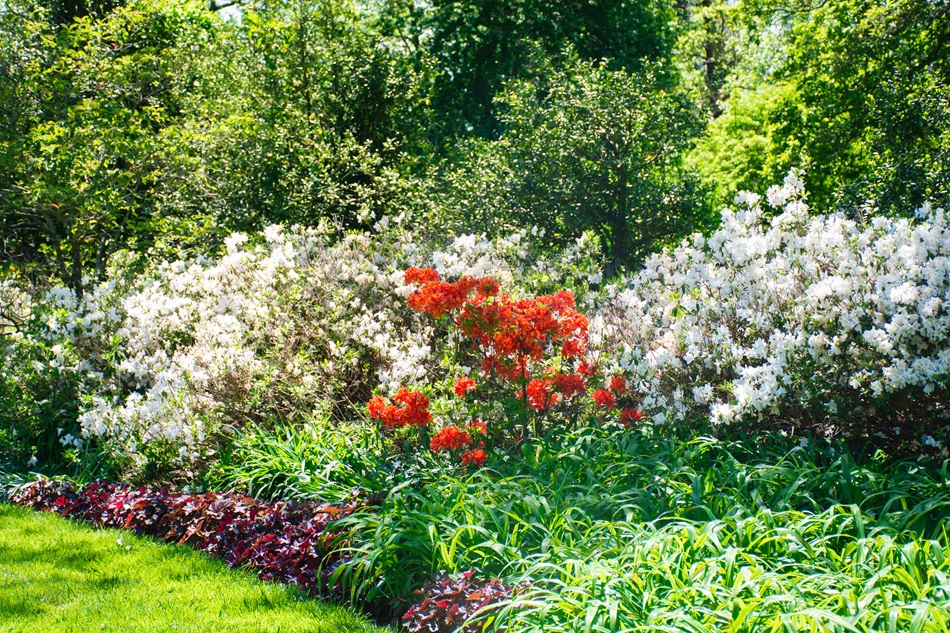
Just north of Newark rests White Clay Creek State Park. Named a National Wild and Scenic River by the National Park Service in 2000, White Clay offers 37 miles of trails, including some well-suited for mountain biking. Other amenities at the park include a disc golf course, a playground and a pavilion. Boasting the most heavily stocked body of water in the state, it’s also popular with anglers. The park contains a trail that stretches into Pennsylvania and leads to the Tristate Monument marking the point where the First State, the Old Line State and the Keystone State meet.
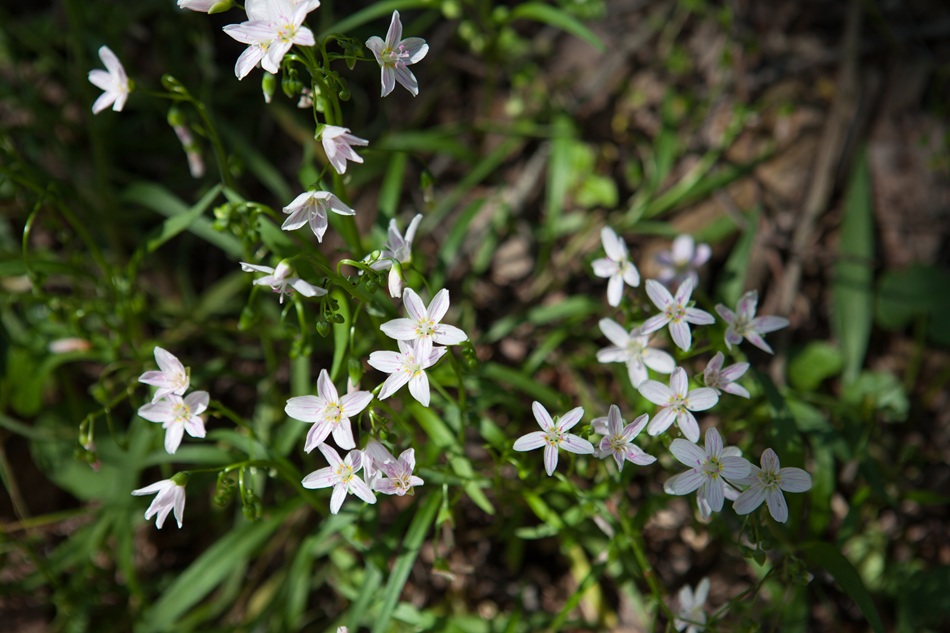
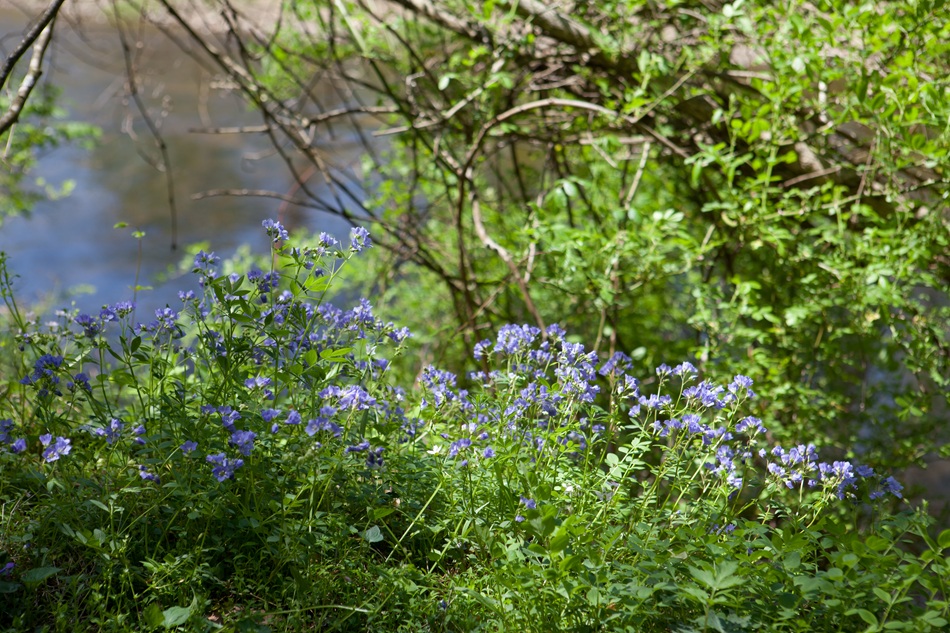
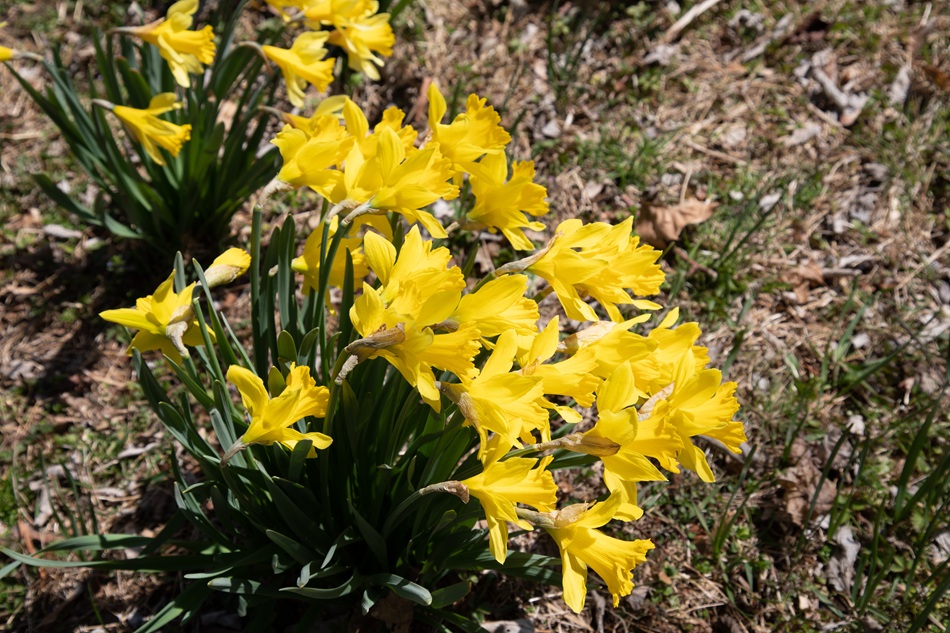
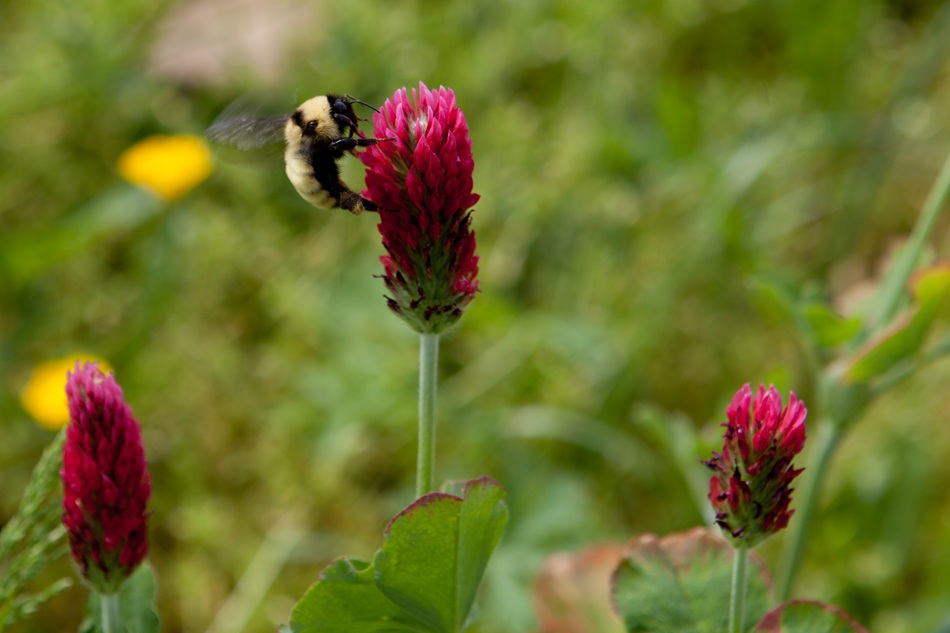
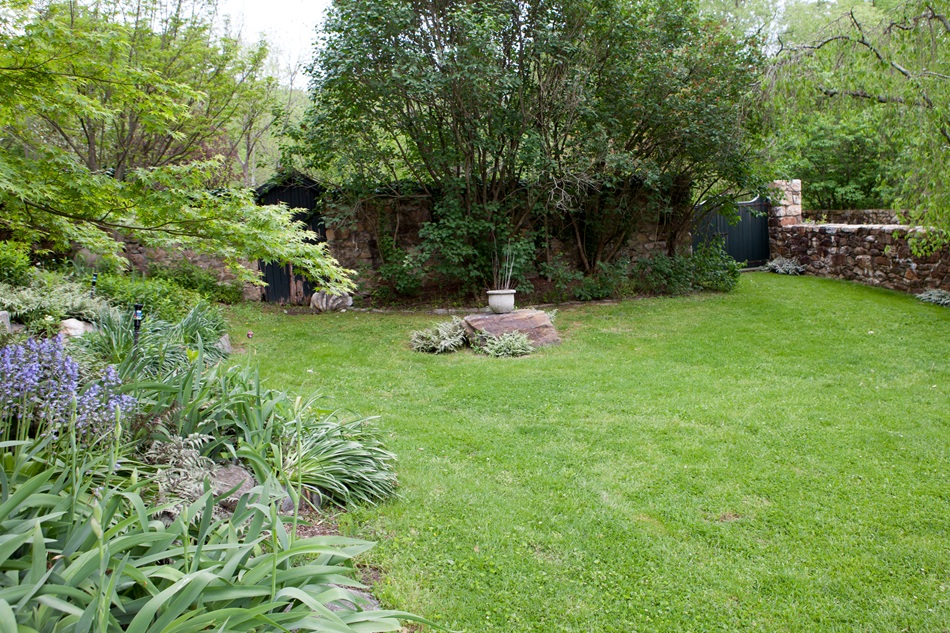
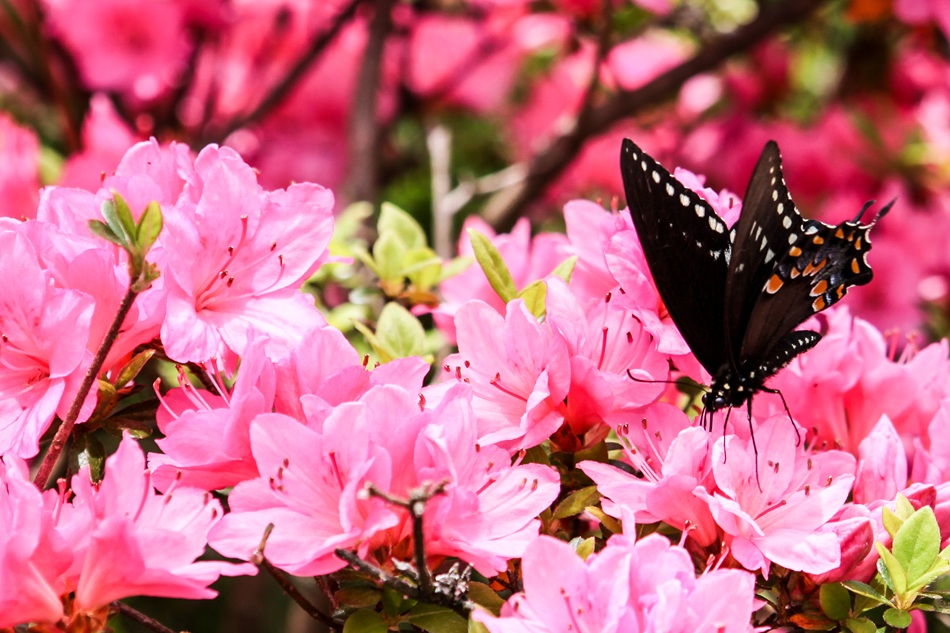
Blackbird State Forest rests on the border of New Castle and Kent counties. Its 10 tracts cover more than 6,000 acres and boast oaks, yellow poplars, maples, hickories and more. With 40 miles of trails, it’s great to visit whether you’re interested in a leisurely nature walk, running, bicycling, horseback riding or even cross-country skiing (though you’ll have to wait until the winter for the last one).
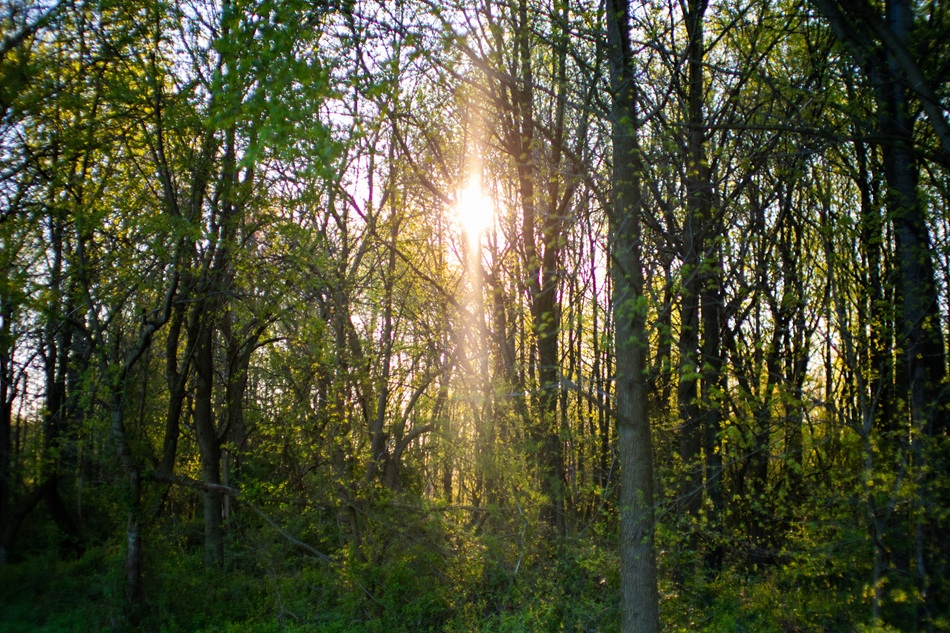
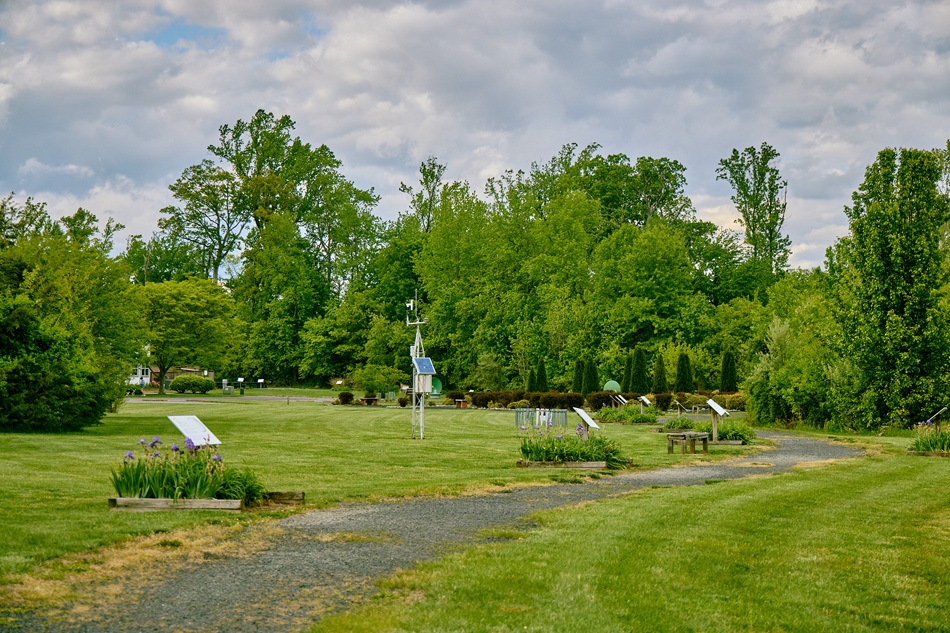
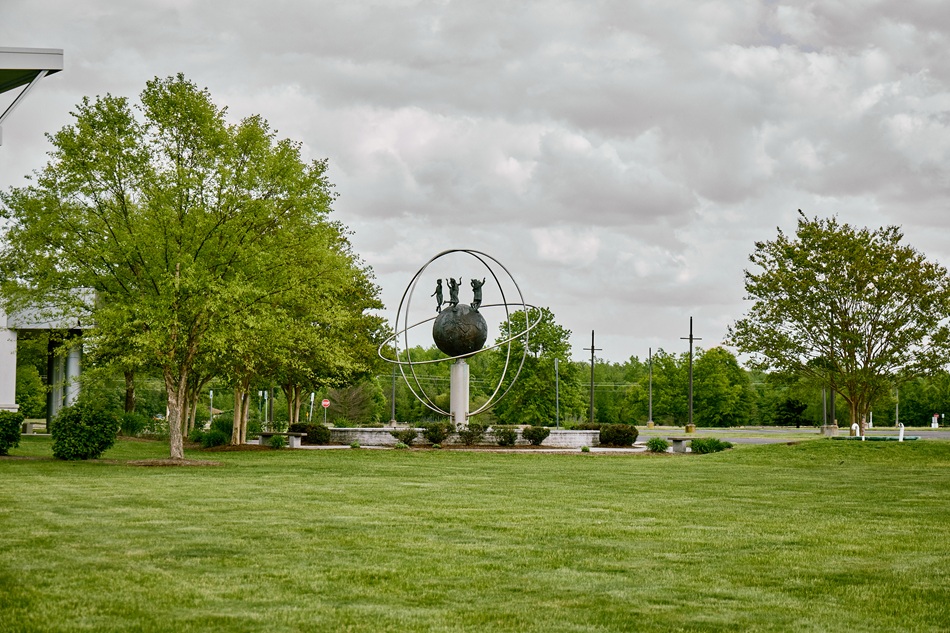
Located just off Del. Route 1 and U.S. Route 13 in Smyrna, Big Oak County Park has an array of sights. Open to the public since 2006, it includes a playground, trails and sports fields. The park also houses an educational center run by the Delaware Aerospace Education Foundation as well as a space-themed garden, sculpture and planetary walk. The plaques representing the planets (including Pluto) and the sun are placed proportionally, with 1 foot representing 2.333 million miles. It’s a great tool for teaching children about space and the vastness of the universe.
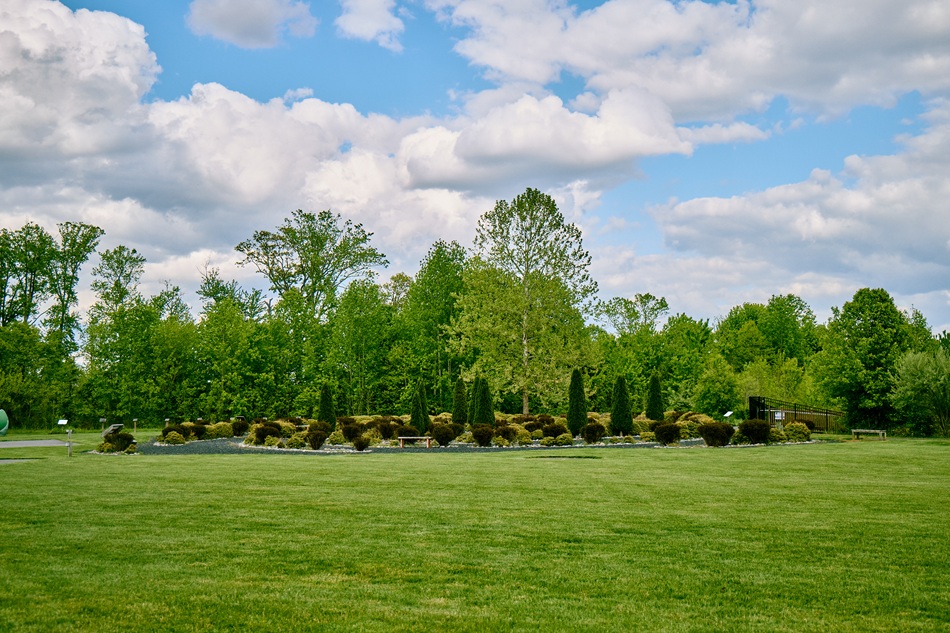
The historic home of Woodburn is the official residence of the governor. Built around 1800, it was transferred to the state in 1965 and has served as a home away from home for Delaware’s chief executive ever since. Each occupant has left their own imprint, including planting trees on the property, like the tulip poplar then-Gov. Mike Castle added in 1987. What’s so special about this tree? Well, its lineage goes back to a tree planted by George Washington on his estate. Woodburn is open to the public on occasion, and it’s definitely worth a visit for those interested in history or just curious about what the official governor’s residence looks like.


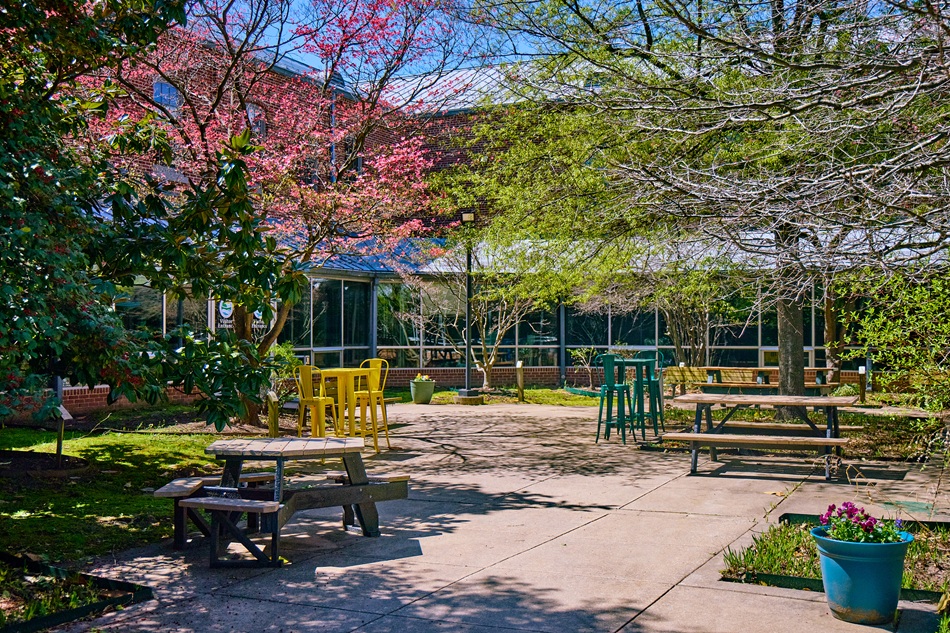
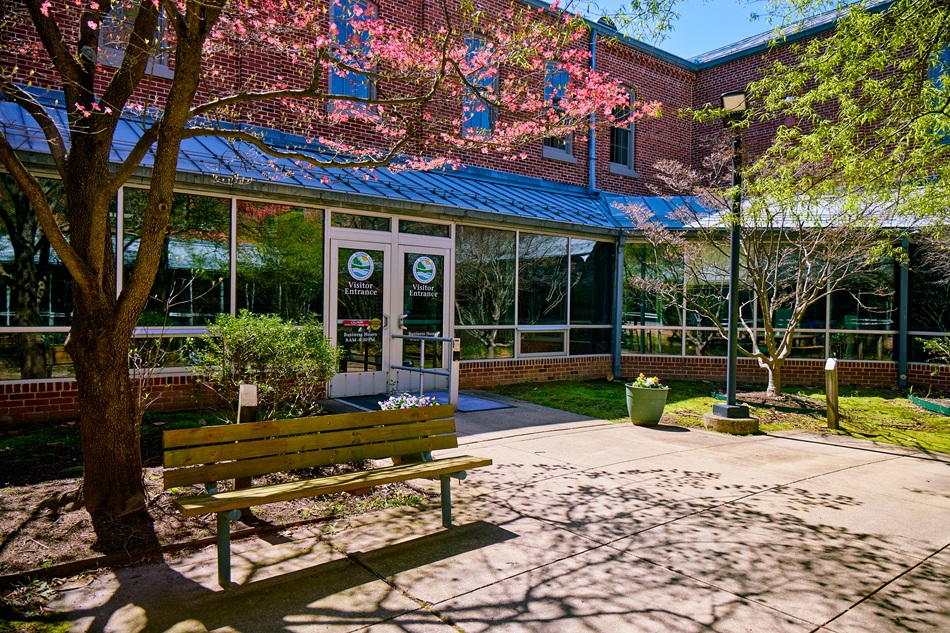
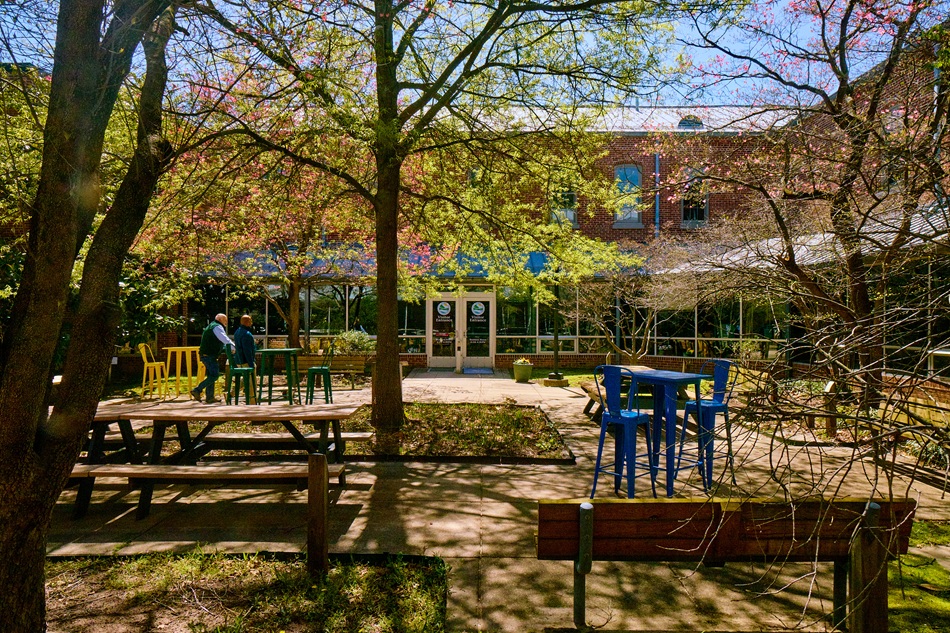
Yes, it is open to the public, but as a place of business, it’s not really a location you’d visit. This DNREC office is included because it’s a reminder of how resilient and wonderful nature is (and perhaps also because it’s Outdoor Delaware’s home base). The elegant trees, flowers and bushes in the courtyard offer a small respite in a sea of concrete and make it a good place for employees to sit outside and eat lunch.
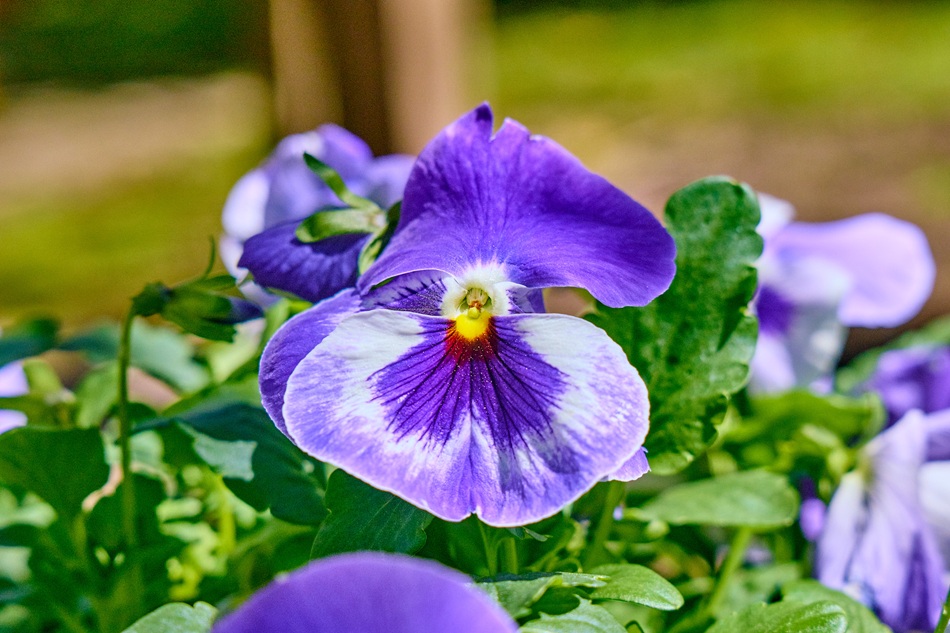
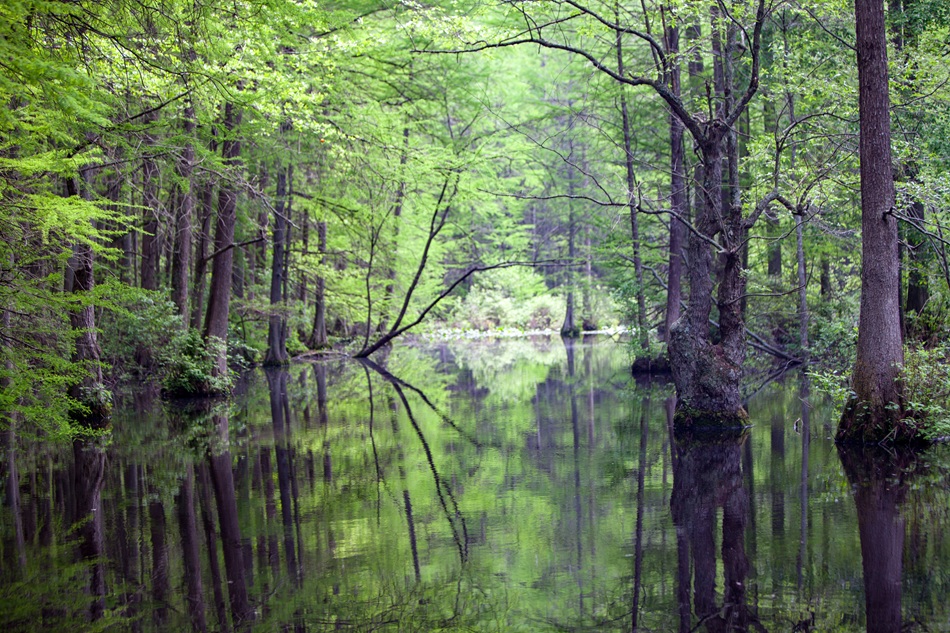
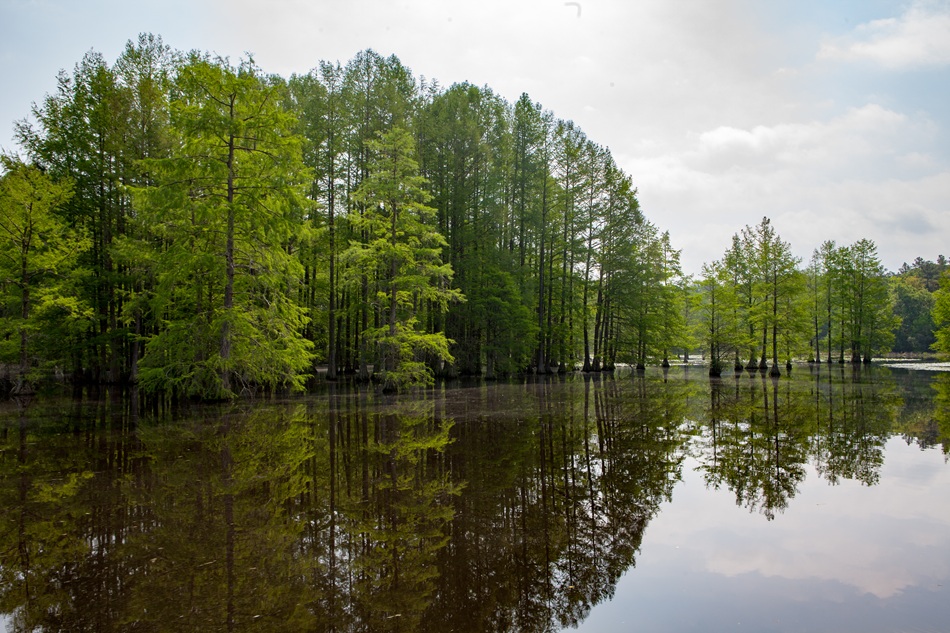
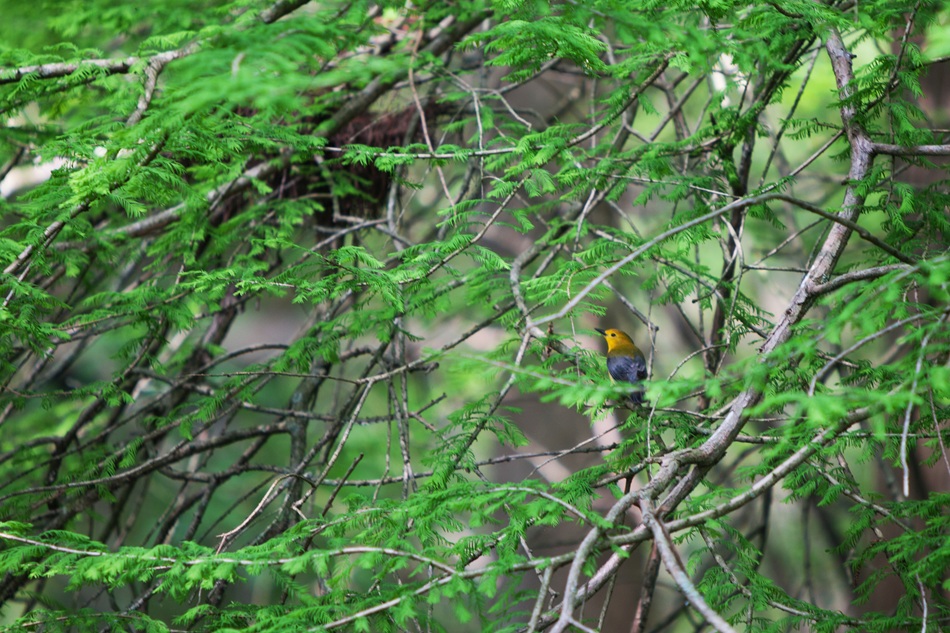
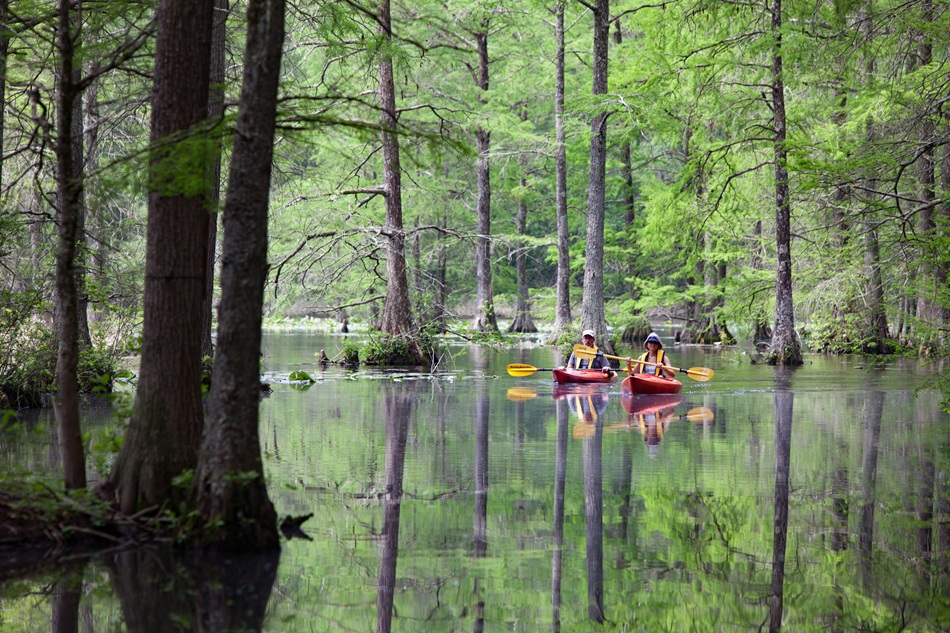
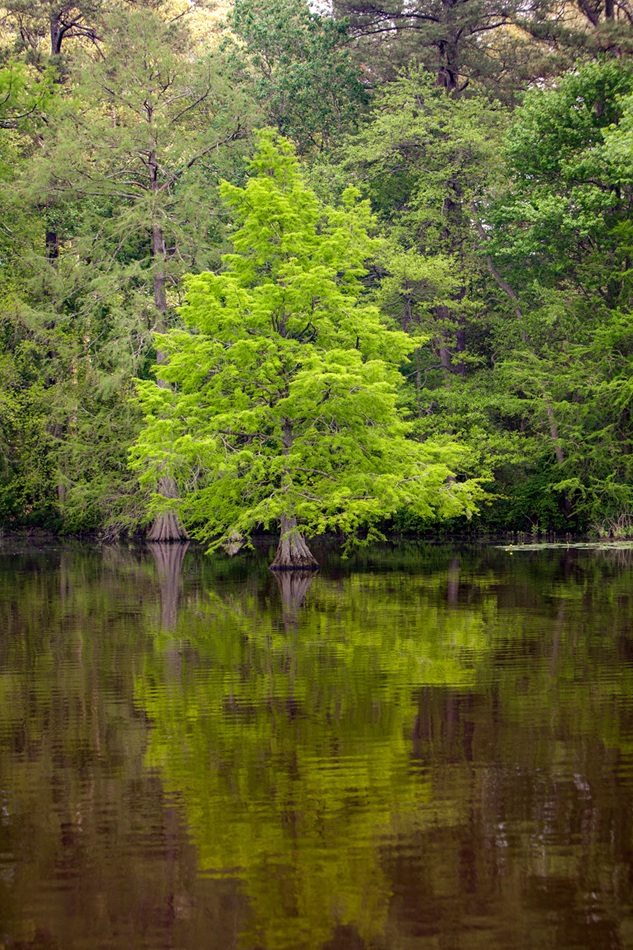
Home to the northernmost naturally occurring crop of bald cypress trees in the country, Trap Pond State Park is like nowhere else in Delaware. The Laurel-area park has an array of plants and wildlife and miles of trail. It’s definitely worth visiting even for those at the other end of the state. If you do come, why not go canoeing? It’s a unique experience that might make you feel like you’re in the Florida Everglades rather than Sussex County.
Related Topics: gallery, nature, outdoor delaware, photos, spring
Delaware's Governor
State Agencies
Elected Officials
General Assembly
Delaware Courts
State Employees
Cities & Towns
Delaware State Code
State Regulations
Business First Steps
Phone Directory
Locations Directory
Public Meetings
Voting & Elections
Transparency
Health Insurance
Tax Center
Personal Income Tax
Privacy Policy
Weather & Travel
Contact Us
Corporations
Franchise Tax
Gross Receipts Tax
Withholding Tax
Delaware Topics
Help Center
Mobile Apps
E-mail / Text Alerts
Social Media


Built by the Government Information Center
©MMXXVI Delaware.gov