DNREC Menu

Marine debris can have negative impacts on wildlife. Fish and land animals can eat marine debris or get tangled in it. Marine debris can become a navigational hazard for boaters. Marine debris can harm water quality and have negative impacts on our recreational use of the water.
Learn about the different types of marine debris found in Delaware waters and how the people of DNREC are working to keep our coast and waterways clean.
“Marine debris” is any persistent solid, human-made waste that enters marine or coastal environments. Common types of debris found on Delaware’s beaches and marine environment:
Plastics
Microplastics and microfibers
Cigarette butts
Fishing gear (line, nets, traps)
Metal cans and beverage containers
Glass
Rubber (balloons, bands, tires)
Discarded beach toys
Construction materials and treated wood
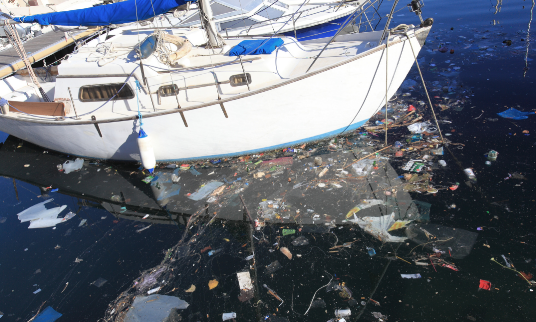
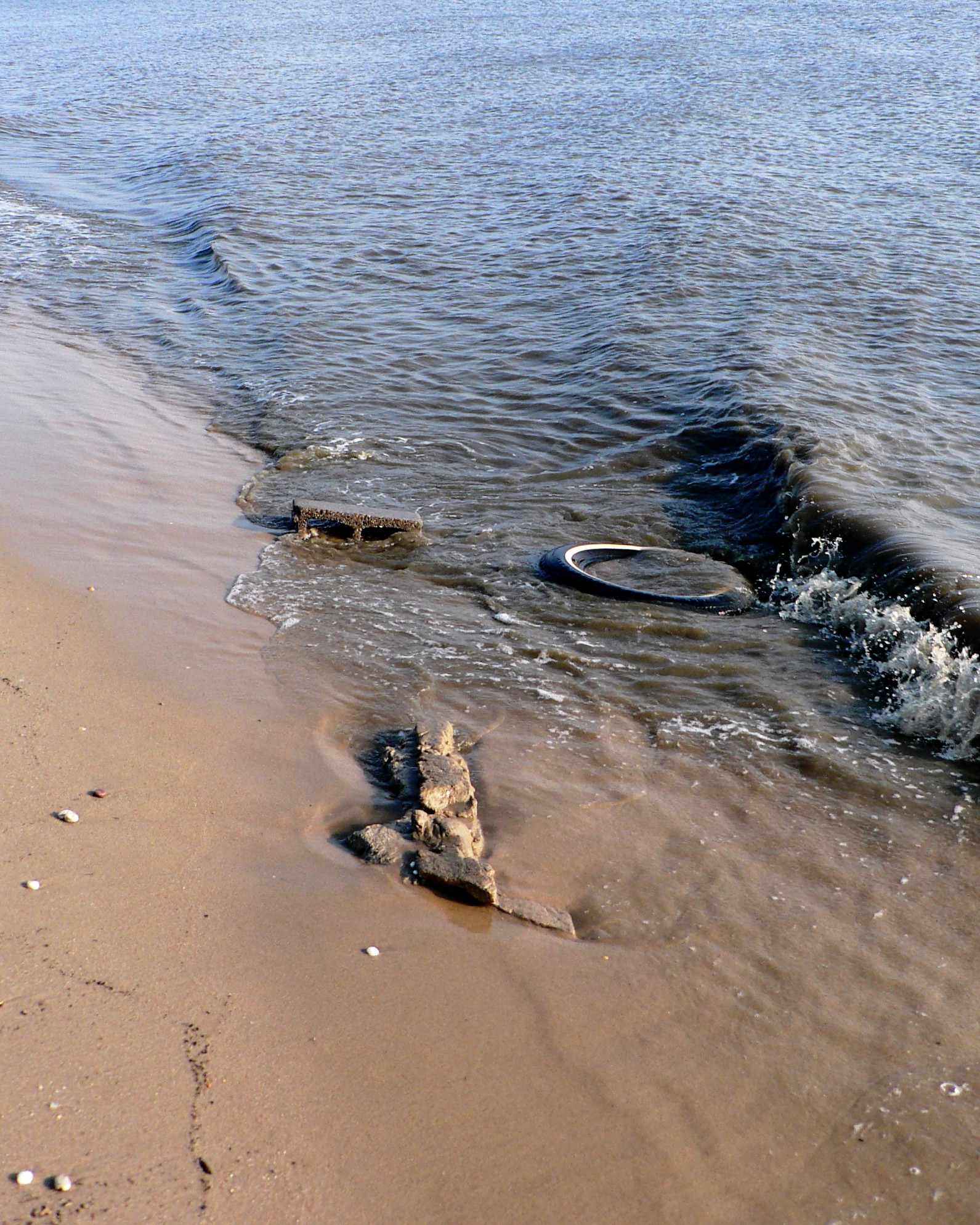
Most ocean trash starts on land. The things we use every day can get blown or washed into waterways by wind and rain. Once this debris is in rivers and streams, it can travel all the way out to the bays and ocean.
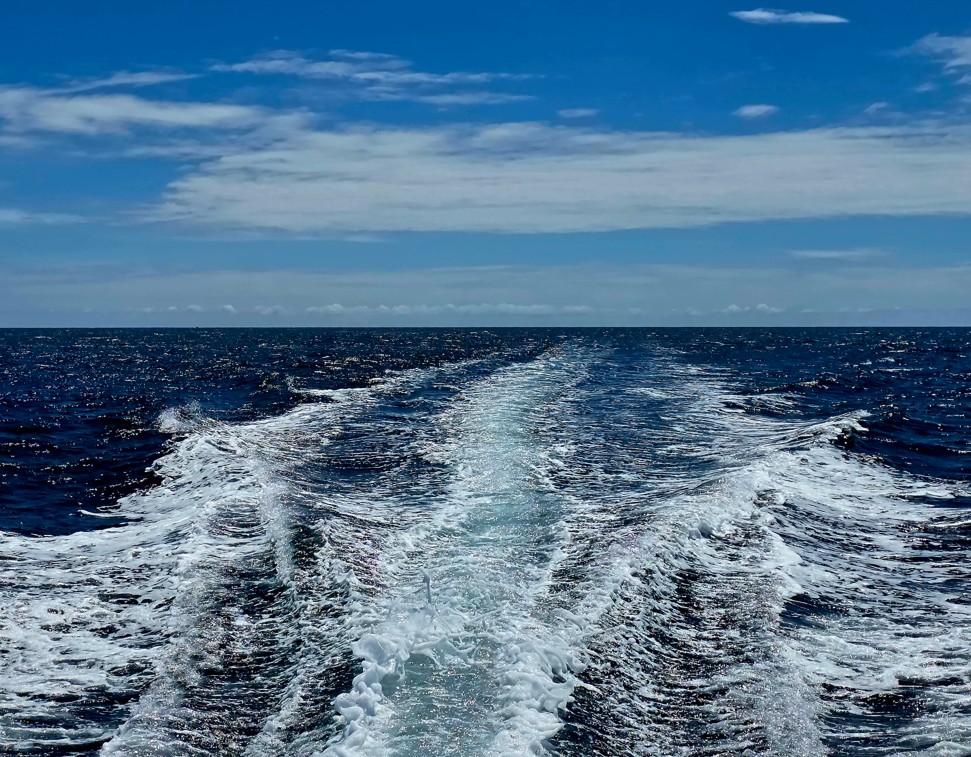
Ocean-based marine debris starts out on the water. Lost fishing gear, trash dumped from boats, or containers that fell from ships can enter the ocean and float for years.
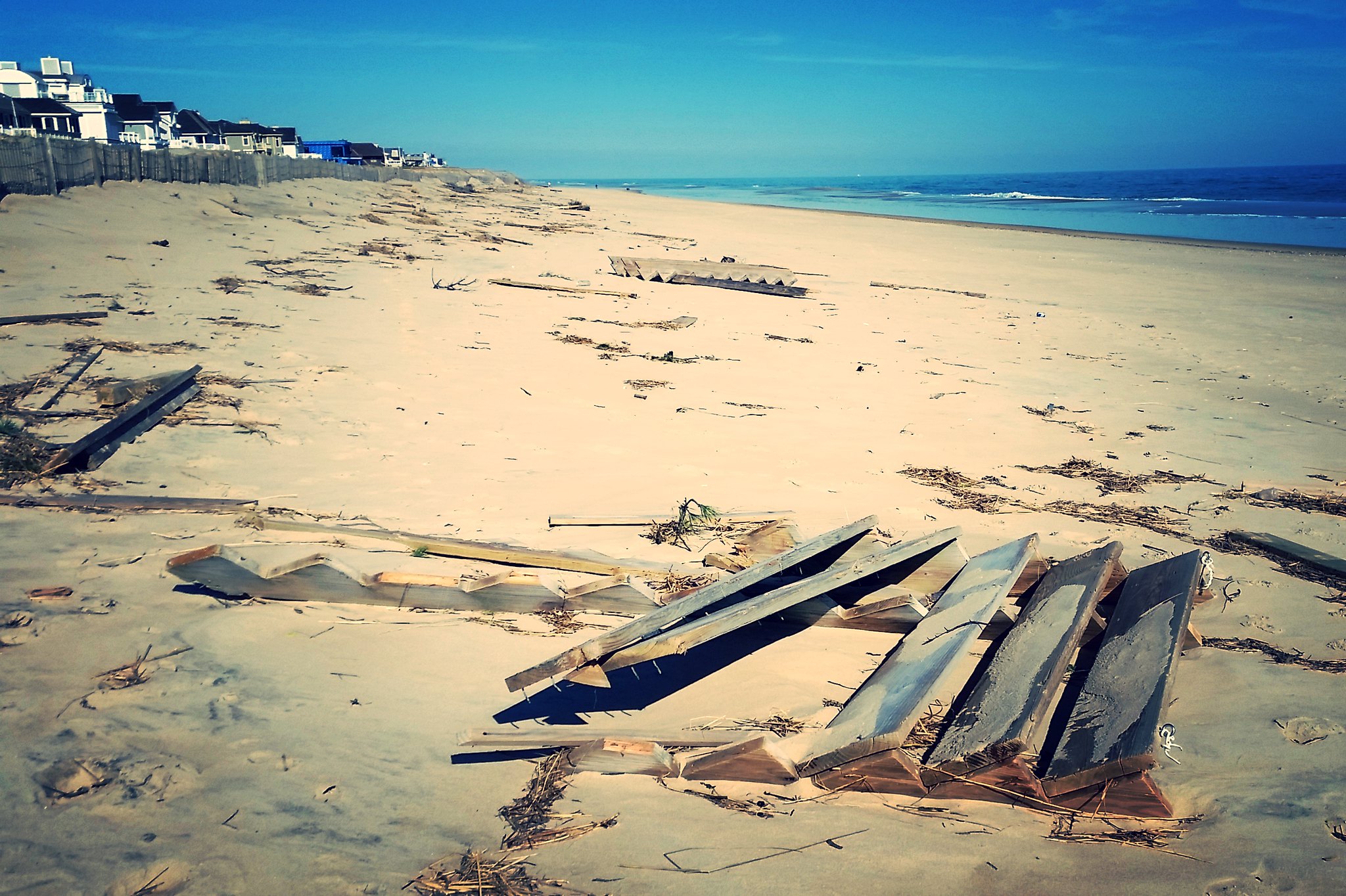
Natural disasters like hurricanes, floods and tornadoes create strong winds, heavy rain and flooding that can sweep everything from backyard furniture to parts of houses into rivers, lakes and the ocean.
We all have our parts to play and we all can make a difference by simply living our lives with the health of our waterways in mind.
Model the behavior you want to see.
Join or organize community cleanups. Volunteer for cleanups at Delaware State Parks.
Consider selecting clothing made from natural fibers, such as cotton or linen, rather than synthetic fibers like polyester, acrylic, and nylon.
Wash clothes less often using cold, gentle cycles, and only when needed, to reduce fiber shedding.
Keep track of the tide to make sure your toys, shoes, and more don’t get washed out to sea.
Reduce use of single-use plastics.
Secure trash on your boat.
Dispose of trash properly and recycle whenever possible.
Recycle right– Know what to throw!
Each year, hundreds of volunteers descend on Delaware beaches to take part in an international effort to gather and record data on trash.
In 2025, nearly 800 volunteers collected over 5,000 pounds of litter from Delaware Bay and ocean-coast beaches. The top five items found:
Cigarette Butts
Food Wrappers
Plastic Pieces
Bottle Caps
Beverage Bottles
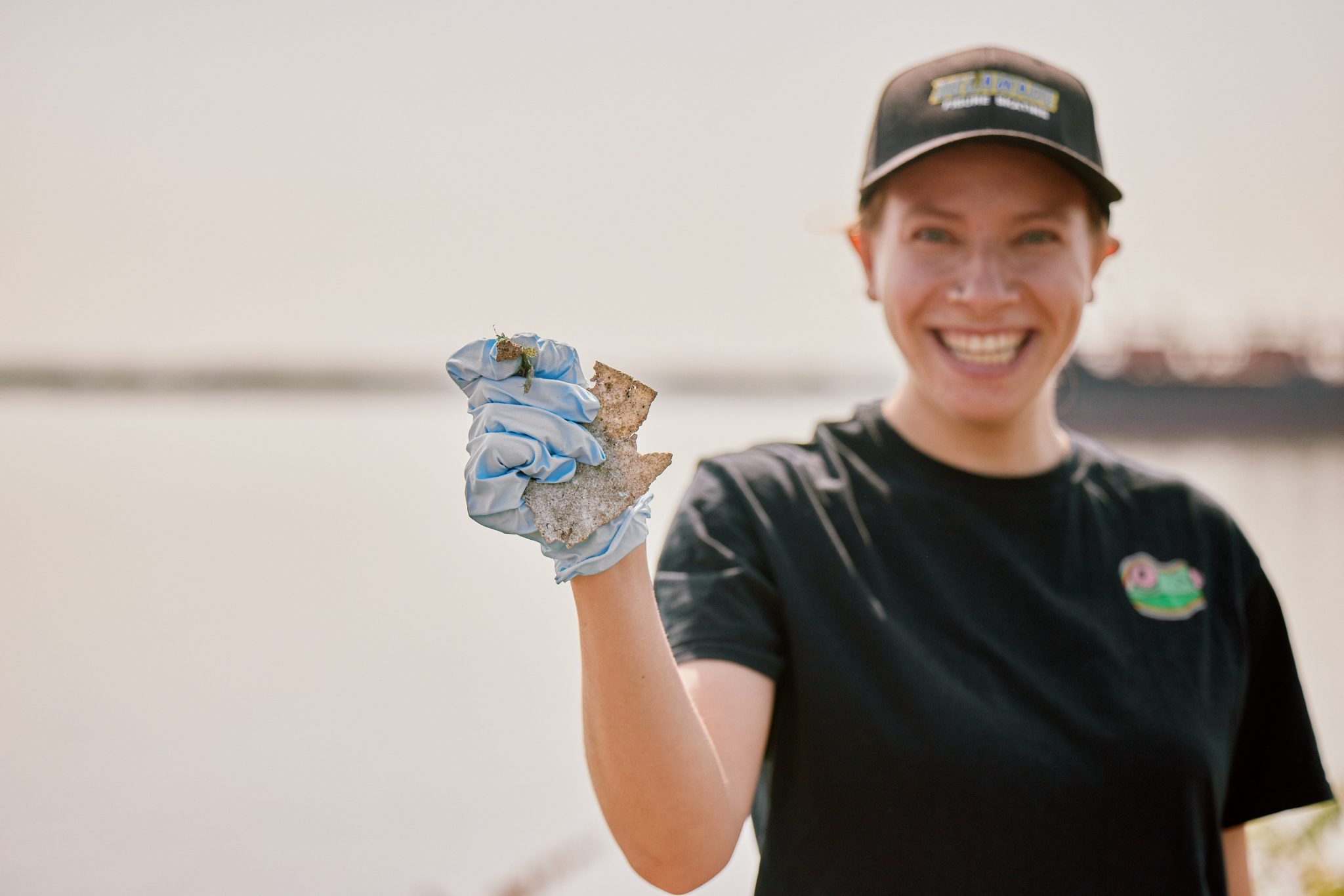
Going beyond the annual cleanup event, locally organized teams of volunteers can adopt a small (half-mile) section of beach through the Adopt-a-Beach program. The volunteers commit to at least four cleanup events over two years.
The cleanups take place during the spring (April 15 to May 15) and late summer (Aug. 15 to Sept. 15) to coincide with the annual coastal cleanup event.
The DNREC Shoreline and Waterway Management Section is tasked with maintaining Delaware’s navigable waterways, which includes the removal of hazardous debris.
Reports of abandoned and derelict vessels (ADVs) are coordinated through the Delaware Natural Resources Police.
Other large man-made debris (i.e. docks, pilings, construction refuse) that present hazards to navigation are addressed for removal.
Through participation in the Mid-Atlantic Regional Council on the Ocean (MARCO) Marine Debris Work Group, Delaware Coastal Programs works to address regional marine debris issues.
The Prevent Balloon Litter campaign encourages people to celebrate, remember and honor without releasing balloons, which often travel long distances and end up as harmful marine debris. The campaign raises awareness about how deflated balloons and ribbons can injure wildlife and pollute beaches and waterways. The campaign also describes and promotes other, safer, event alternatives, such as blowing bubbles, planting flowers, or letting paper airplanes fly.
As a component of the campaign, a one-mile stretch of beach at North Inlet State Park is monitored for marine debris twice per year to track balloon-related litter, as well as the abundance of other debris found on the beach. Data is uploaded and available for public viewing on the Mid-Atlantic Ocean Data Portal.
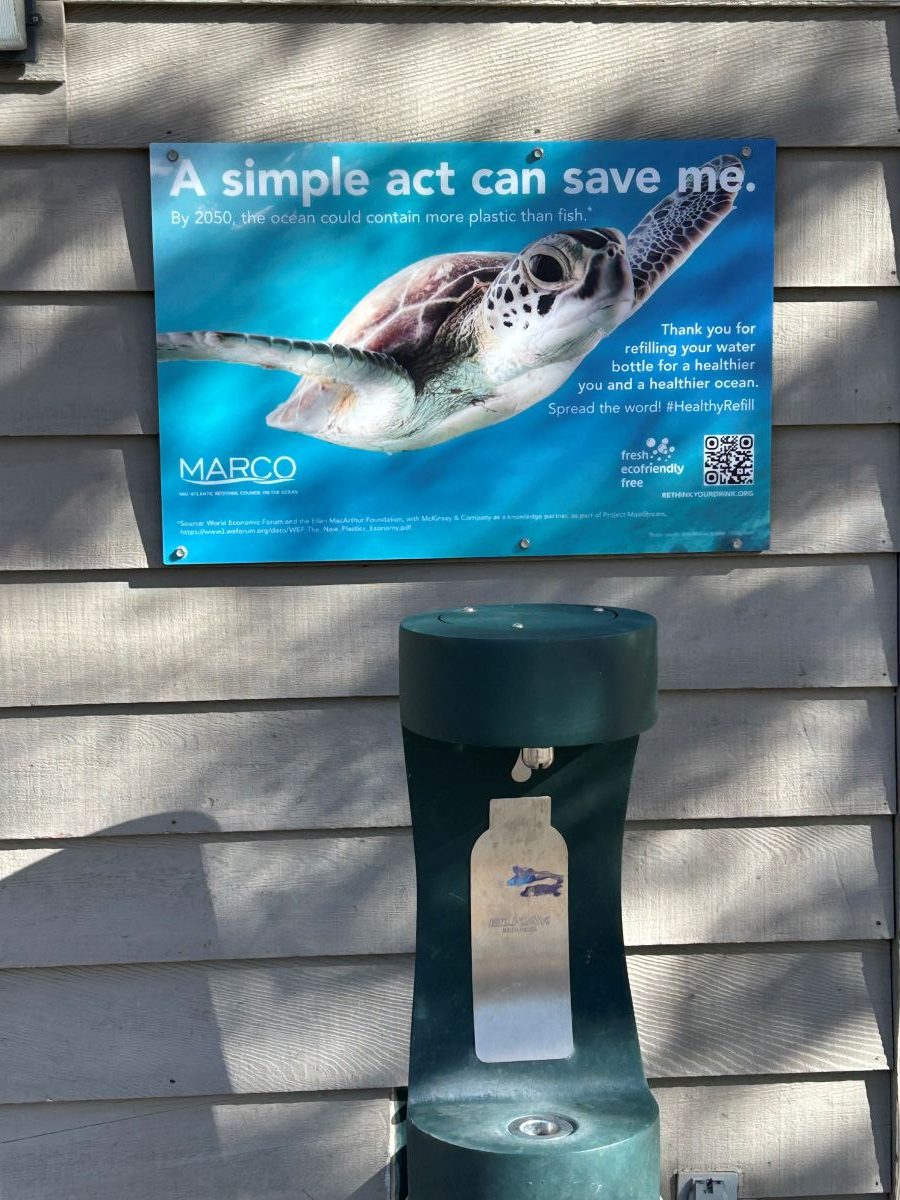
Water refill stations funded by MARCO have been installed at the public restroom in Slaughter Beach, and Grove Park Canal in Rehoboth Beach. Each station received a sign thanking visitors for choosing a #HealthyRefill. Refillable water bottles protect wildlife, improve your health, and save you money. Learn more at ReThinkYourDrink.org
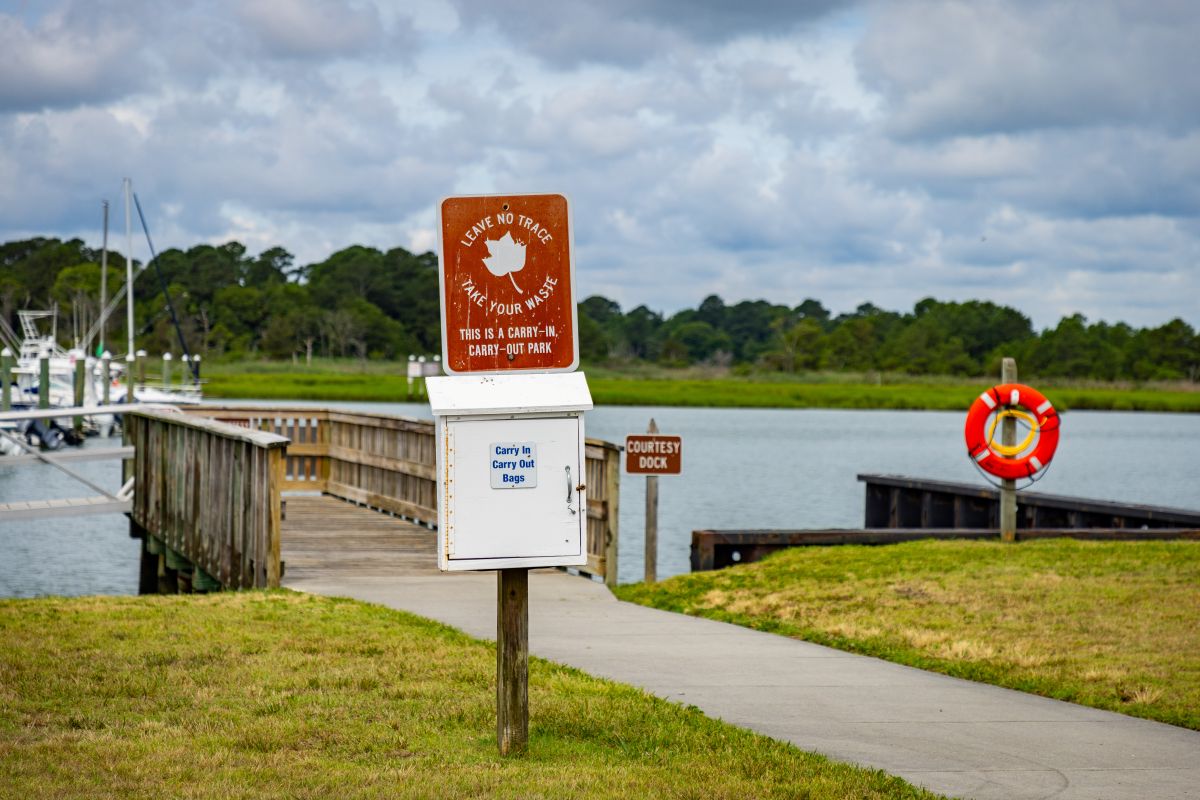
In 1994, the Delaware State Parks established the Carry In – Carry Out Trash-Free Parks Program. Trash cans were removed from most areas and visitors now take their trash with them when they leave, reducing the strain on limited resources, and increasing the beauty of the parks.
This program has been an overwhelming success. The continuing cooperation of delaware residents and visitors means cleaner parks for everyone.
Trash bags are available to help visitors take part in the program. Families and groups needing larger bags should plan to bring their own.
Delaware Recycles encourages residents to reduce their waste by refusing single use plastic items. Choosing reusable items and recycle whenever possible helps reduce all debris issues.
The Delaware Recyclopedia search tool (de.gov/recyclopedia) helps residents to know exactly what is acceptable to put in their recycling bins at home, work or school or when picking up litter.
Scrap tires are potentially hazardous to humans and the environment. DNREC has two Scrap Tire Management Programs to help.
DNREC regulates businesses that generate scrap tires through the Scrap Tire Facility Compliance Program. And it offers a Scrap Tire Removal Program to help residents clean up large scrap tire piles throughout the state.
Facilities managing solid waste are required to operate within Delaware’s Regulations Governing Solid Waste. These facilities, which include such things as landfills, composting operations, recycling centers, transfer stations and resource-recovery locations, generally require a solid-waste facility permit with conditions designed to reduce impact to the environment.
By containing solid waste and not allowing it to migrate freely off-site, these programs help keep solid waste from becoming marine debris.
DNREC’s Emergency Response Team is a designated group of trained responders for environmental emergencies that include hazardous material incidents in Delaware waters, air, or land.
The Trap Trackers Program helps to find and remove derelict crab pots that litter the seafloor of Delaware’s Inland Bays. Derelict crab pots are no longer attached to buoys and have become lost, abandoned or discarded. The metal cage-style traps present hazards to boaters and marine life, which can become trapped or killed.
Derelict pots are detected using consumer-grade side-scan sonar (or Mobile Mapping Units, MMUs) and then removed with grappling hooks. Volunteers have the option to participate in organized events or borrow MMUs to independently survey their local waterway.
Since 2020, over 100 different volunteers, including those from DNREC, have removed 572 derelict crab pots from Delaware waterways.
NOAA’s Marine Debris Program published the Delaware Marine Debris Emergency Response Guide (updated June 2024) for improving preparedness and facilitating a coordinated response between state and federal agencies to episodic marine debris incidents, such as disaster events, impacting coastal Delaware.
Various state laws and regulations relate to marine debris and efforts to reduce wastes that contribute to marine debris.
Disposal of solid waste into the ocean, Delaware Bay, and inland bays, among other waterways, is prohibited under Delaware state law.
Delaware’s Plastic Carryout Bag Ban requires retailers in Delaware to not provide plastic carryout bags at the point of sale.
Legislation regarding Release of Multiple Balloons has been in place since 2021, designed to raise awareness of the harmful nature of releasing balloons and prevent the dangers posed by releasing them.
Since July 1, 2025, polystyrene-foam food containers, plastic stirrers, cocktail picks and sandwich picks have been banned from food establishments, and single-use plastic straws are available only upon request.
Abandoned vessels should be reported to the Delaware Natural Resources Police.
Related Topics: coastal programs, debris, fishing, nboating, recreation, recycling, water
Delaware's Governor
State Agencies
Elected Officials
General Assembly
Delaware Courts
State Employees
Cities & Towns
Delaware State Code
State Regulations
Business First Steps
Phone Directory
Locations Directory
Public Meetings
Voting & Elections
Transparency
Health Insurance
Tax Center
Personal Income Tax
Privacy Policy
Weather & Travel
Contact Us
Corporations
Franchise Tax
Gross Receipts Tax
Withholding Tax
Delaware Topics
Help Center
Mobile Apps
E-mail / Text Alerts
Social Media


Built by the Government Information Center
©MMXXVI Delaware.gov