DNREC Menu
Delaware is a state rich with wetlands that vary from forested vernal pools to highly productive salt marshes, to unique Bald Cypress Swamps. As stewards of these great resources, it is our responsibility to slow the loss of wetland acreage, improve the health of remaining wetlands and work together to better understand and share with others the value of wetlands.
For more information, please contact Alison Rogerson, at Alison.Rogerson@delaware.gov or 302-739-9939.
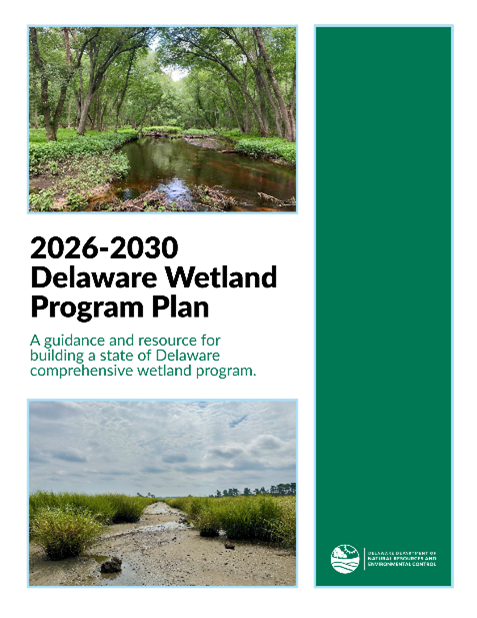
Delaware creates five-year wetland program plans to serve as guides to identifying wetland research, education, management and conservation needs.
The 2026-2030 Wetland Program Plan has a vision to achieve an increase in wetland acreage and improve wetland conditions to support the wealth of services and functions wetlands provide.
The plan also identifies and prioritizes areas where information or action is needed to advance wetland management statewide.
This effort is intended to outline gaps and needs to develop and refine a wetland program in Delaware. The plan organization aligns with the Core Element Framework. for wetland planning from the U.S. Environmental Protection Agency and will be referenced over the five-year span to direct projects and prioritization.
Delaware’s wetland resources are still vulnerable to the same threats they have faced for the past 45 years, such as conversion to agriculture or development, prioritization differences among decision makers and a lack of awareness or appreciation of wetland value. Other challenges are becoming more prominent, such as conversion to open water and saltwater intrusion due to increasingly elevated coastal waters.
Any program working in or around wetlands is encouraged to reference the action items listed in the plan to generate and justify project ideas.
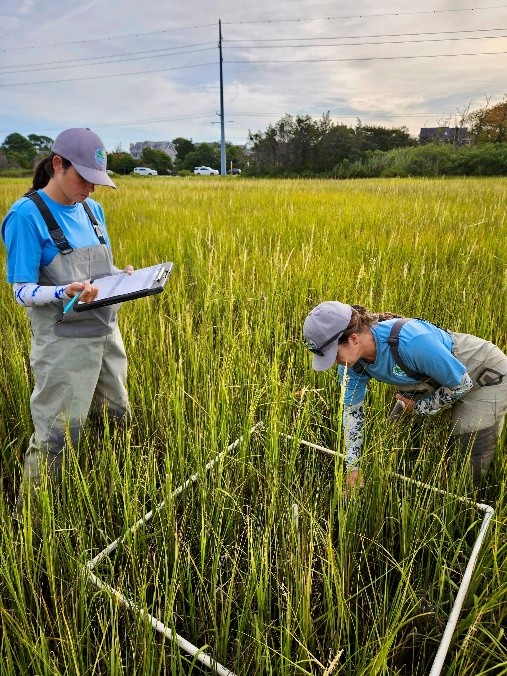
The Wetland Monitoring and Assessment Program (WMAP) uses goals and action items to prioritize and select future projects to strengthen Delaware’s capacity to conserve and improve wetlands.
Gather data on the status and trends of wetlands (quantity, quality, functions and services) to track wetland condition and function over time.
Avoid, minimize and replace impacts to wetland extent and function through effective regulation, efficient permitting and appropriate mitigation.
Protect and restore wetlands through voluntary and long-term actions that uphold and elevate wetland extent and value.

Inform the citizens and visitors of Delaware about the function, services and critical importance of wetlands. Collaborate with a variety of partners to improve efficiency and effectiveness of educational materials, platforms for outreach, and public events.
Under each objective there are focused goals. The 2026-2030 plan outlines 41 action items organized under seven goals:
Use geospatial analysis tools to gather information and develop resources about the extent of wetlands in Delaware.
Increase monitoring efficiency and effort to provide insight into current wetland condition and function and changes occurring over time.
Use wetland data and findings to support establishing and developing an effective state wetland protection program.
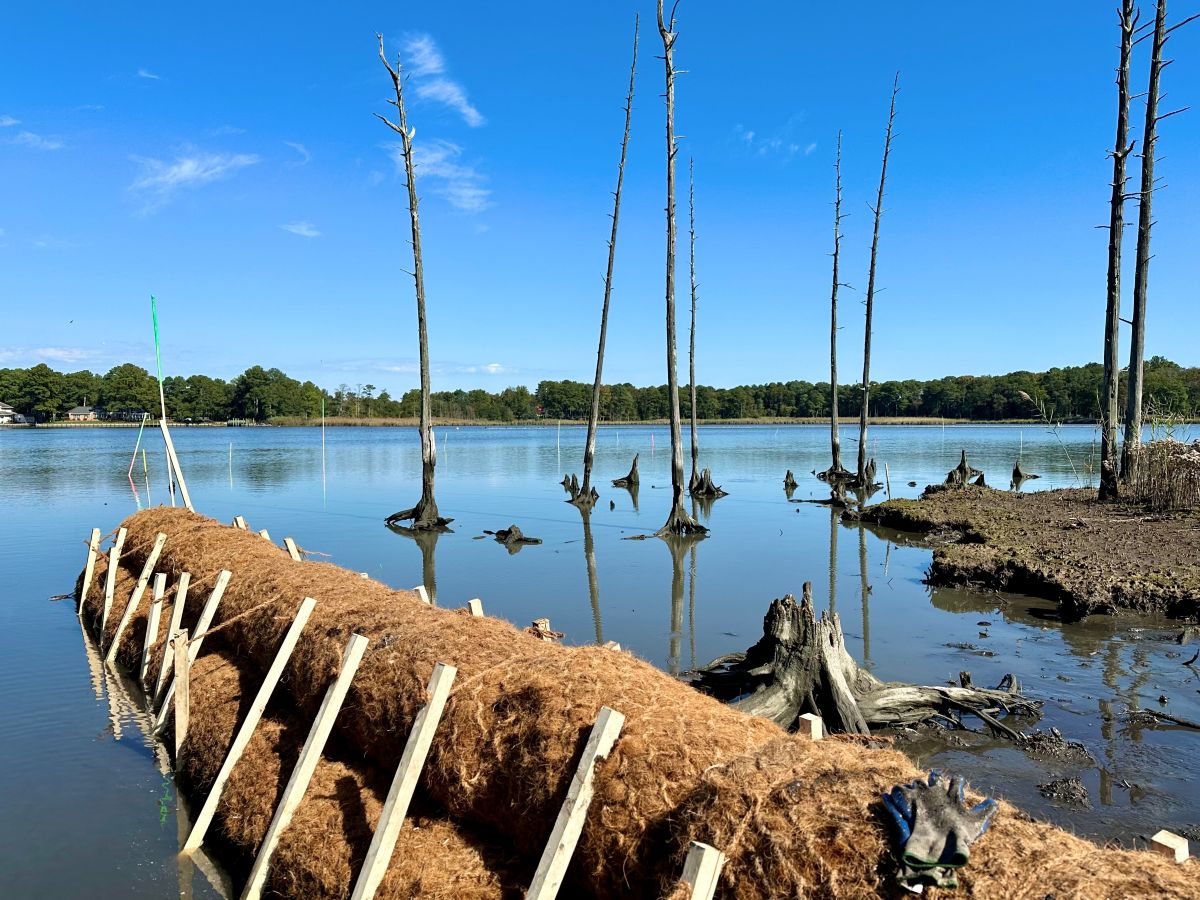
Advance wetland restoration practices through research and demonstration to stem loss and create gain in acreage and function.
Protect and improve wetlands through voluntarily stewardship and actions that increase function and value.
Enhance education efforts to broaden wetland understanding and strengthen environmental stewardship among the public and a variety of wetland stakeholders.
Improve reach to varying audiences, increase project sharing with practitioners and facilitate collaboration with partners.
The 2021-2025 Delaware Wetland Program Plan had the same seven goals as the 2015 plan and addressed better protection and restoration of wetland resources in Delaware. It also focused on the impacts from climate change, project implementation and developing stronger wetland education and outreach.
The 2015 Delaware Wetland Management Plan covered 2016-2020 and included 45 action items under the seven goals as the 2021-2025 plan. By the close of 2020, 30 of those action items were either complete or in progress.
The 2011 Delaware Wetland Monitoring Strategy was a part of the State’s overall Water Monitoring Strategy to help direct the State’s efforts to assess the conditions of all waters
The 2008 Delaware Wetlands Conservation Strategy covered 2006-2008 and outlined six goals similar to succeeding plans. This initial conservation strategy grew out of the recognition of needs to develop a comprehensive plan for the future of Delaware’s wetlands.
Delaware's Governor
State Agencies
Elected Officials
General Assembly
Delaware Courts
State Employees
Cities & Towns
Delaware State Code
State Regulations
Business First Steps
Phone Directory
Locations Directory
Public Meetings
Voting & Elections
Transparency
Health Insurance
Tax Center
Personal Income Tax
Privacy Policy
Weather & Travel
Contact Us
Corporations
Franchise Tax
Gross Receipts Tax
Withholding Tax
Delaware Topics
Help Center
Mobile Apps
E-mail / Text Alerts
Social Media


Built by the Government Information Center
©MMXXVI Delaware.gov